The Best Electric Toothbrushes
Verified by
 Ryan V. Editor-in-Chief
When you purchase through links on our site, we may earn an affiliate commission.
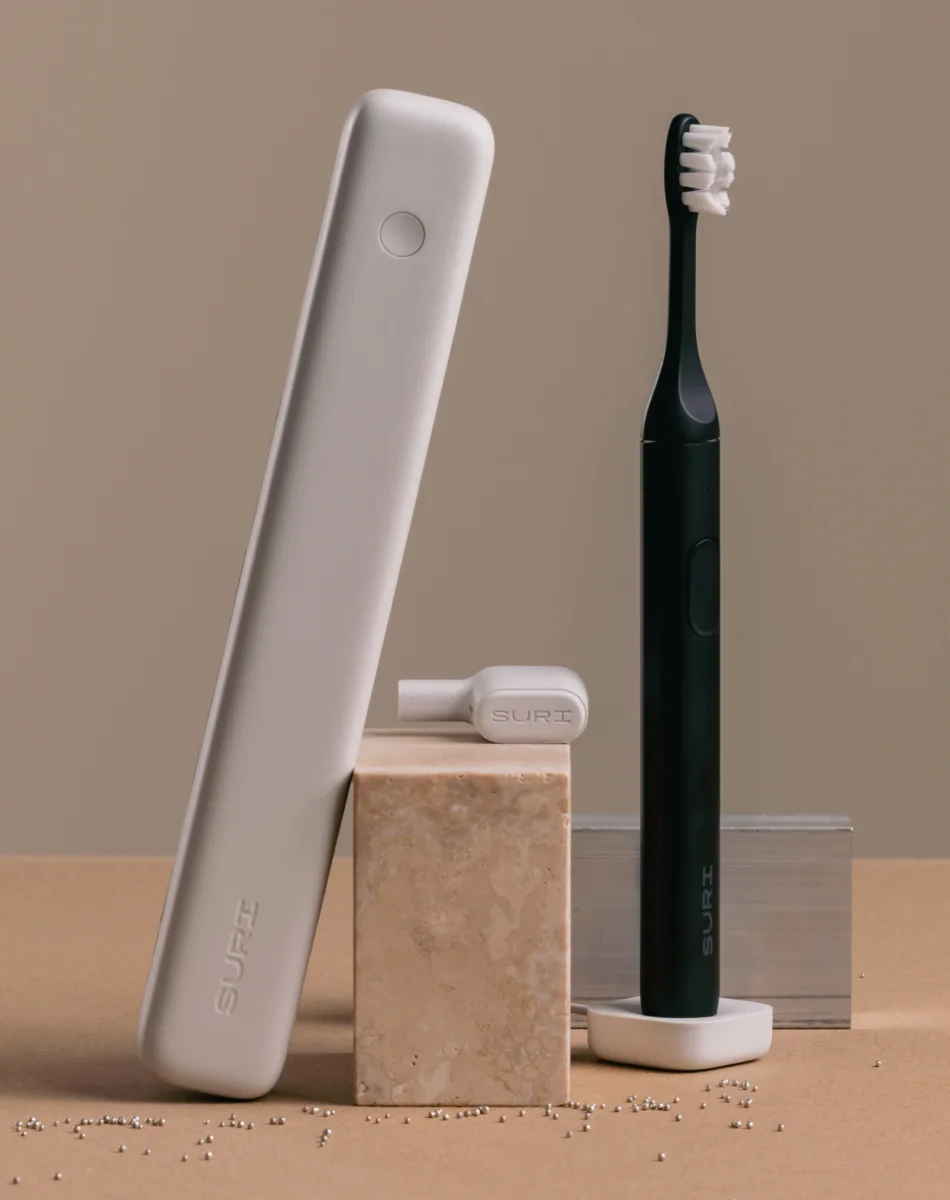
The SURI 2.0 wins because it solved the two biggest annoyances in electric toothbrushes: flimsy plastic handles that degrade in a wet bathroom, and batteries that die mid-trip. Electric Teeth, the channel that has spent a decade testing hundreds of toothbrush models, gave it their strongest editorial recommendation. Their plaque disclosing tests (using purple dye to reveal missed spots) showed cleaning performance on par with Philips and Oral-B brushes that cost twice as much.
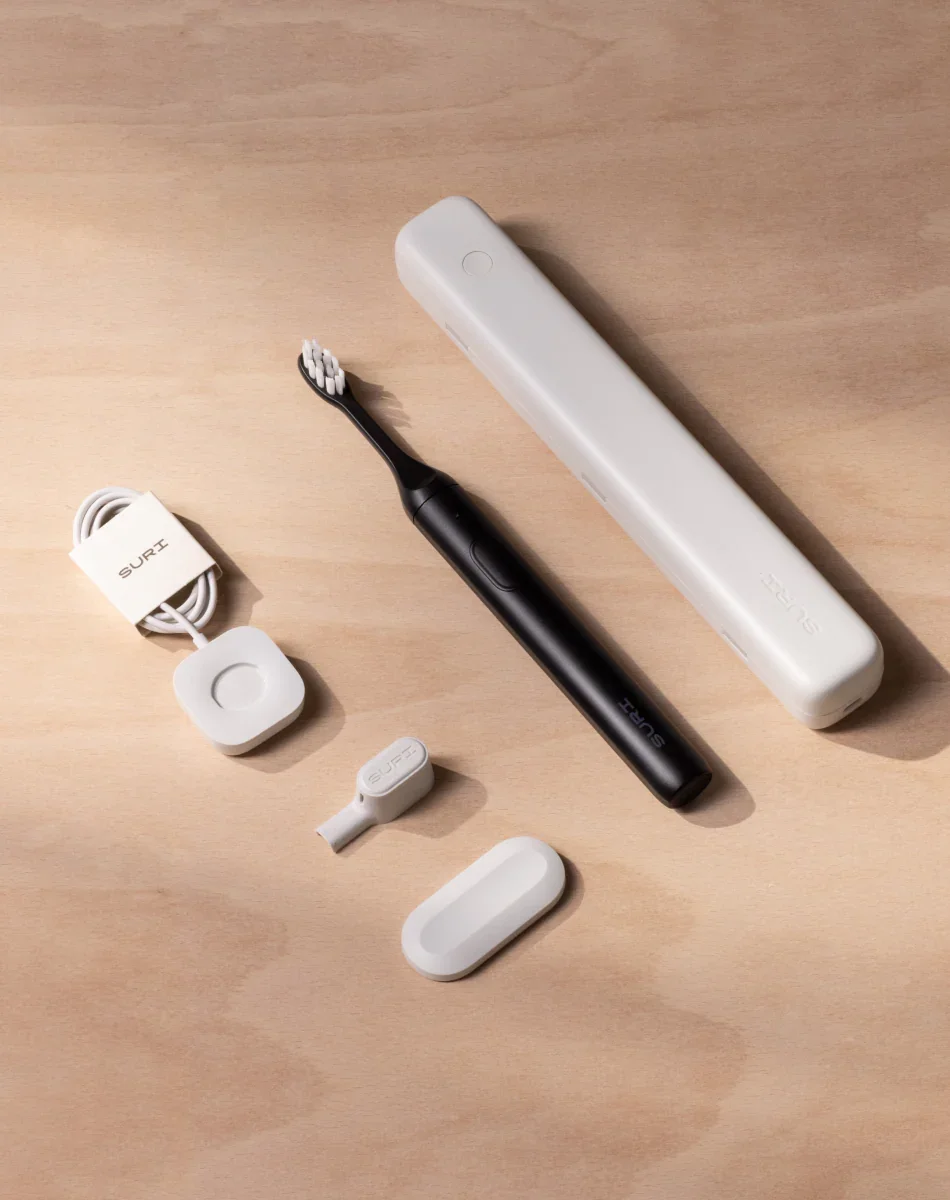
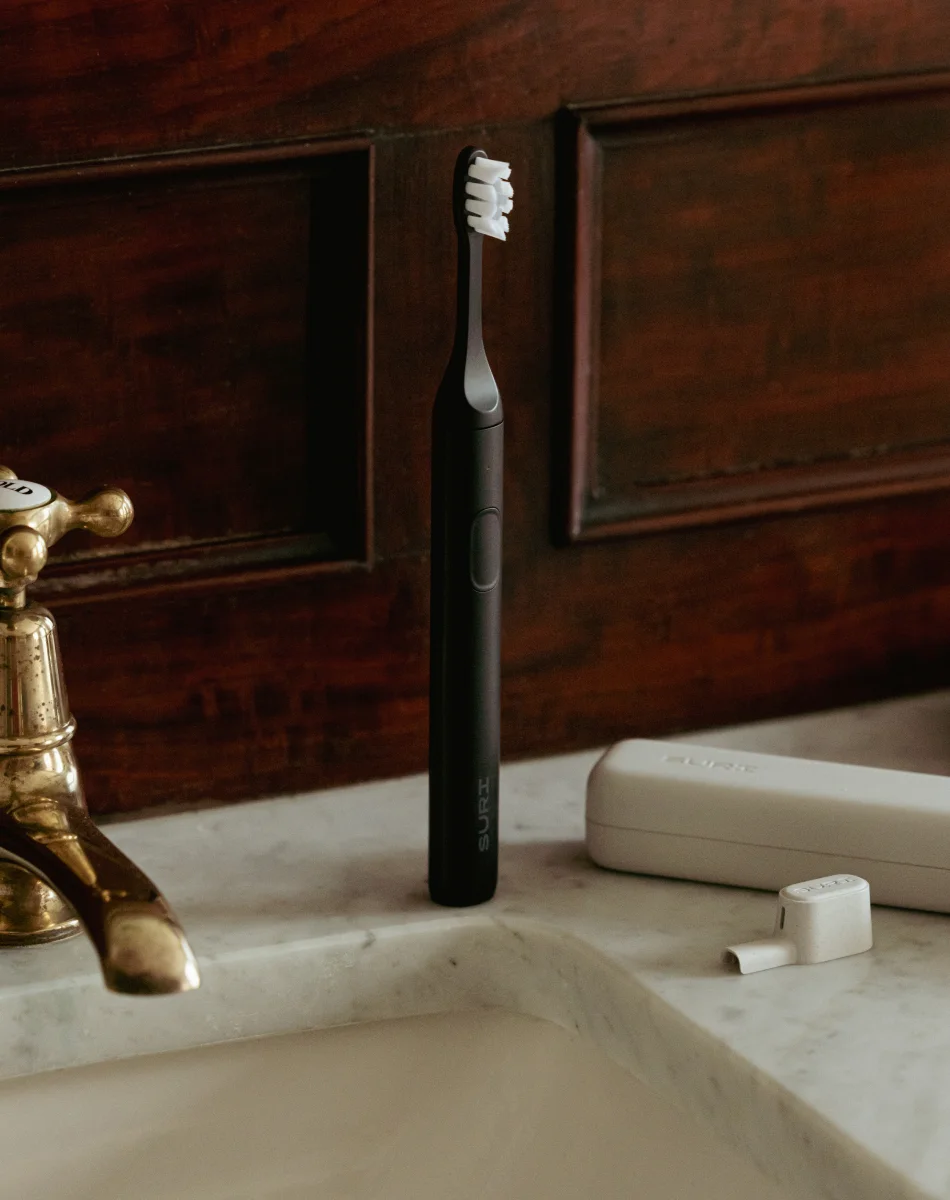
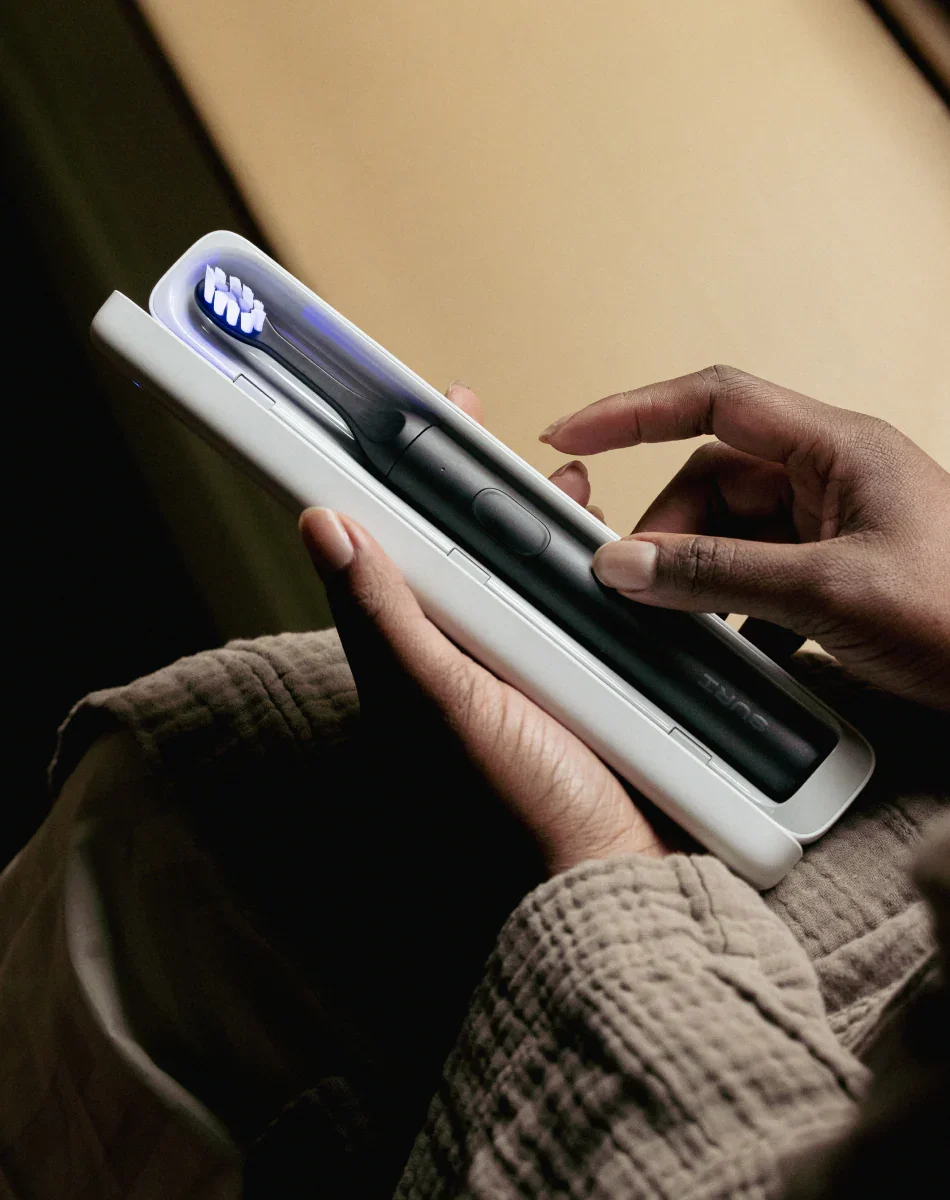
The aluminum handle weighs 77 grams and feels like it belongs in a different product class than its competitors. Electric Teeth specifically called out the material quality during teardown, noting that SURI designed the handle to be field-repairable with an inexpensive battery swap out of warranty.
Battery life is where the SURI pulls away from the field. Electric Teeth manually drained the battery (their standard testing protocol) and logged 38 days of regular use. For context, the Philips Sonicare 4100 lasts 14 days, and the Oral-B Pro 1000 lasts just 10. The included travel case charges via USB-C and doubles as a UV-C sanitizer for the brush head. No other brush at this price offers that combination.
The magnetic wall mount is a small touch that Electric Teeth called "hugely undervalued." It lifts the brush off wet countertops entirely, keeping the base dry and the charging contacts clean.
What It Won't Do
SURI only makes one brush head style with medium-soft bristles. If you have periodontal disease or highly sensitive gums, there is no ultra-soft option. The pressure sensor also requires about 10-20% more force to activate than competing brushes, according to Electric Teeth's testing. For most people this is fine, but if you tend to press hard, you will not get a warning as quickly as you would with a Sonicare or Oral-B. The brush also has only two cleaning modes (Regular and Intense) where competitors at this price offer four or five.
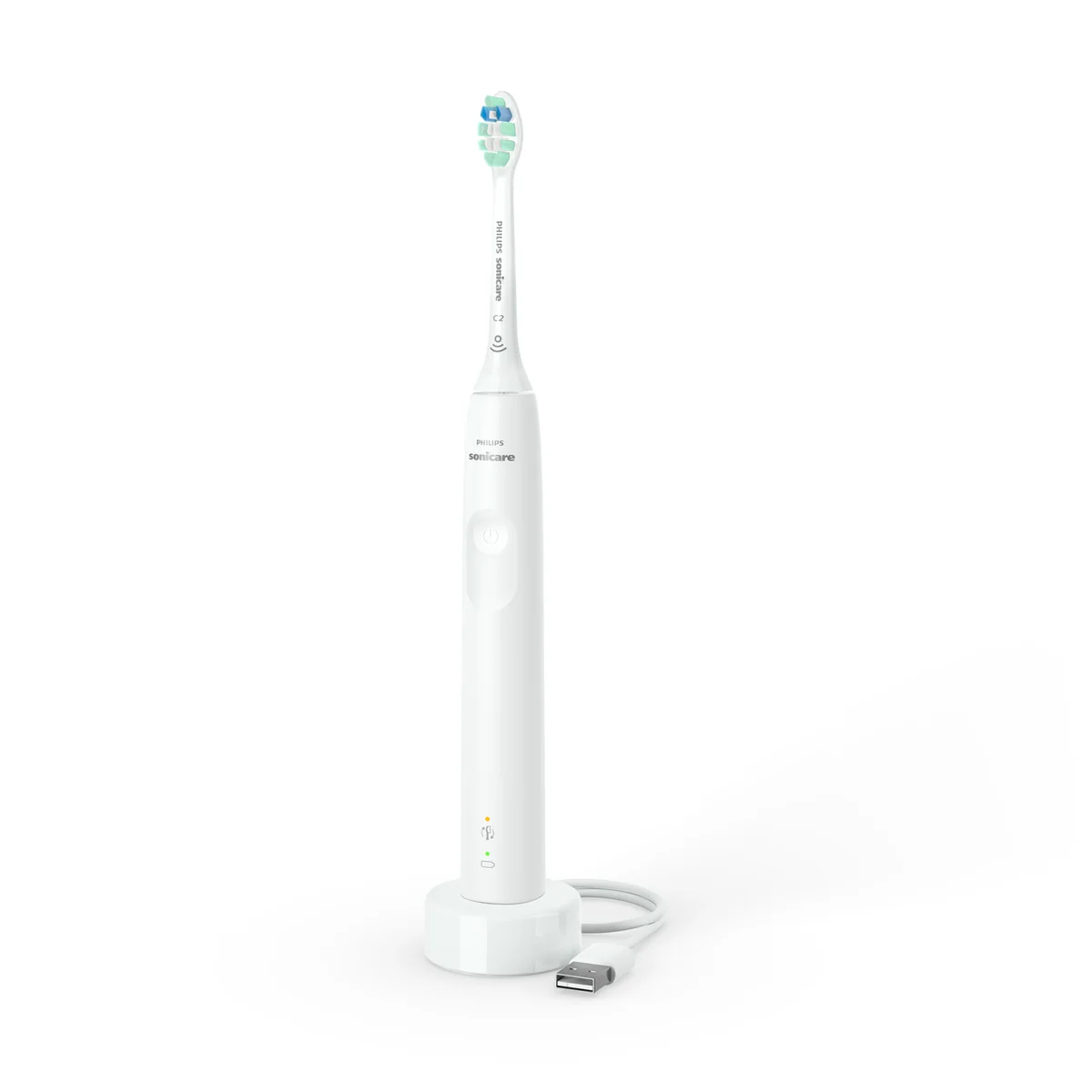
The Philips Sonicare 4100 is the brush most of our sources agree on. CNN Underscored tested eight models with input from dentist Dr. Andrea Zandona and concluded there's no better all-around electric toothbrush. Wirecutter, after testing 67 brushes, made it the runner-up to the Oral-B Pro 1000. Electric Teeth named it the best Sonicare, NBC Select its best basic brush, and NewMouth its pick for people with dental work.
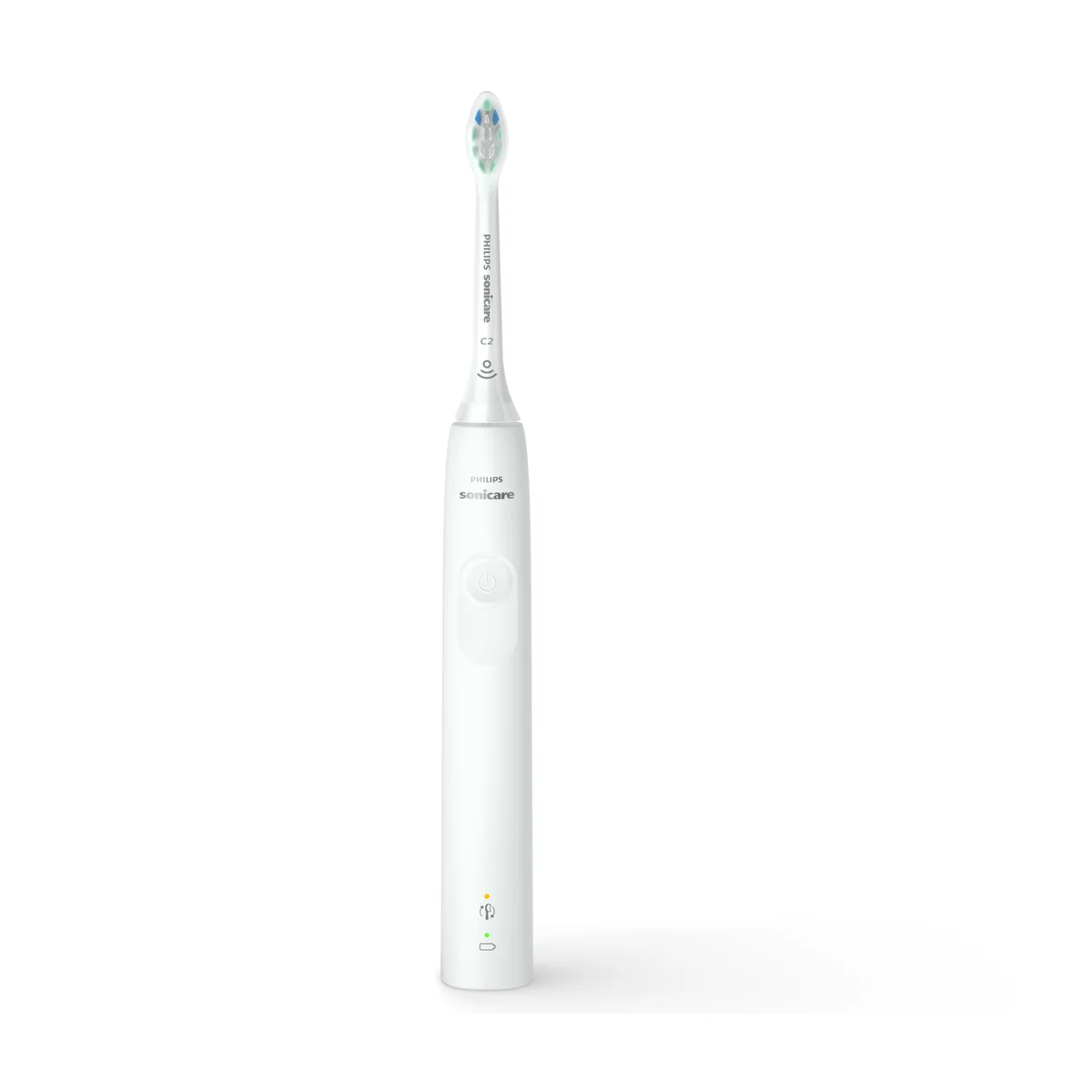
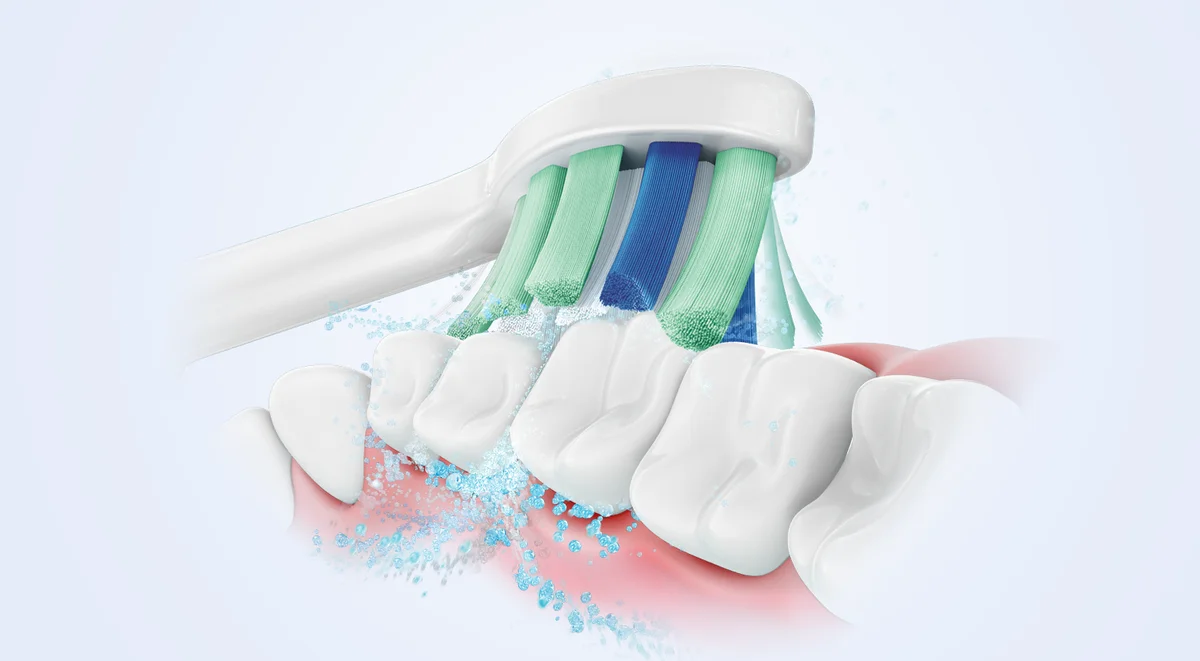
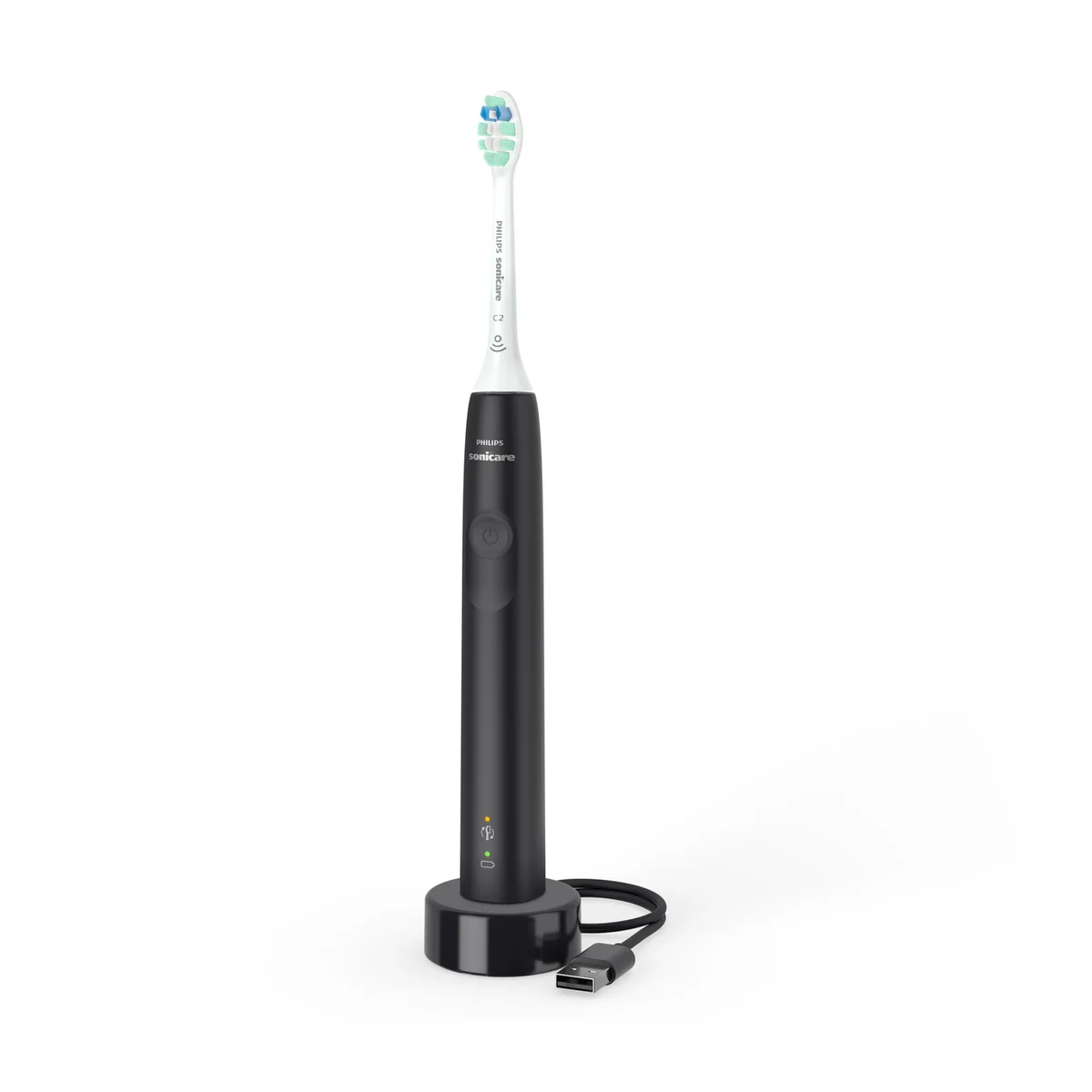
It covers the features dentists actually ask for. A pressure sensor pulses the handle when you press too hard, a SmarTimer runs two minutes, and a QuadPacer nudges you every 30 seconds. BrushSync tells you when the head is due for replacement. Electric Teeth measured it at 60 dB, and Wirecutter found its sonic vibrations quieter than the Pro 1000's rotations while feeling just as powerful.
Electric Teeth got 17 days per charge, against 10 for the Pro 1000. Philips lists it at $49.96, roughly a third of the SURI 2.0.
What It Won't Do
Replacement heads are the catch. Wirecutter found compatible Sonicare heads cost more than twice as much as Oral-B's, which pushed its three-year cost of ownership to $170 against $98 for the Pro 1000. You also get a single cleaning mode, no travel case, and a USB cable with no wall adapter in the box.
Who Should Buy Which
SURI 2.0
Ranked first by Electric Teeth, Expert Reviews and Tom's Guide, with an aluminum handle and more than a month per charge
- Frequent travelers who want a month between charges
- Anyone who prefers an aluminum handle to plastic
- Buyers who want a self-cleaning UV-C travel case
- People who like simple two-mode brushing without an app
Philips Sonicare 4100
CNN Underscored's best electric toothbrush and Wirecutter's runner-up, with a pressure sensor and two weeks of battery for about $50
- First-time electric toothbrush buyers
- Anyone who wants a pressure sensor and timer for about $50
- People with sensitive gums who prefer quiet sonic brushing
- Households buying more than one brush