The Best Gaming TVs
Verified by
 Ryan V. Editor-in-Chief
When you purchase through links on our site, we may earn an affiliate commission.
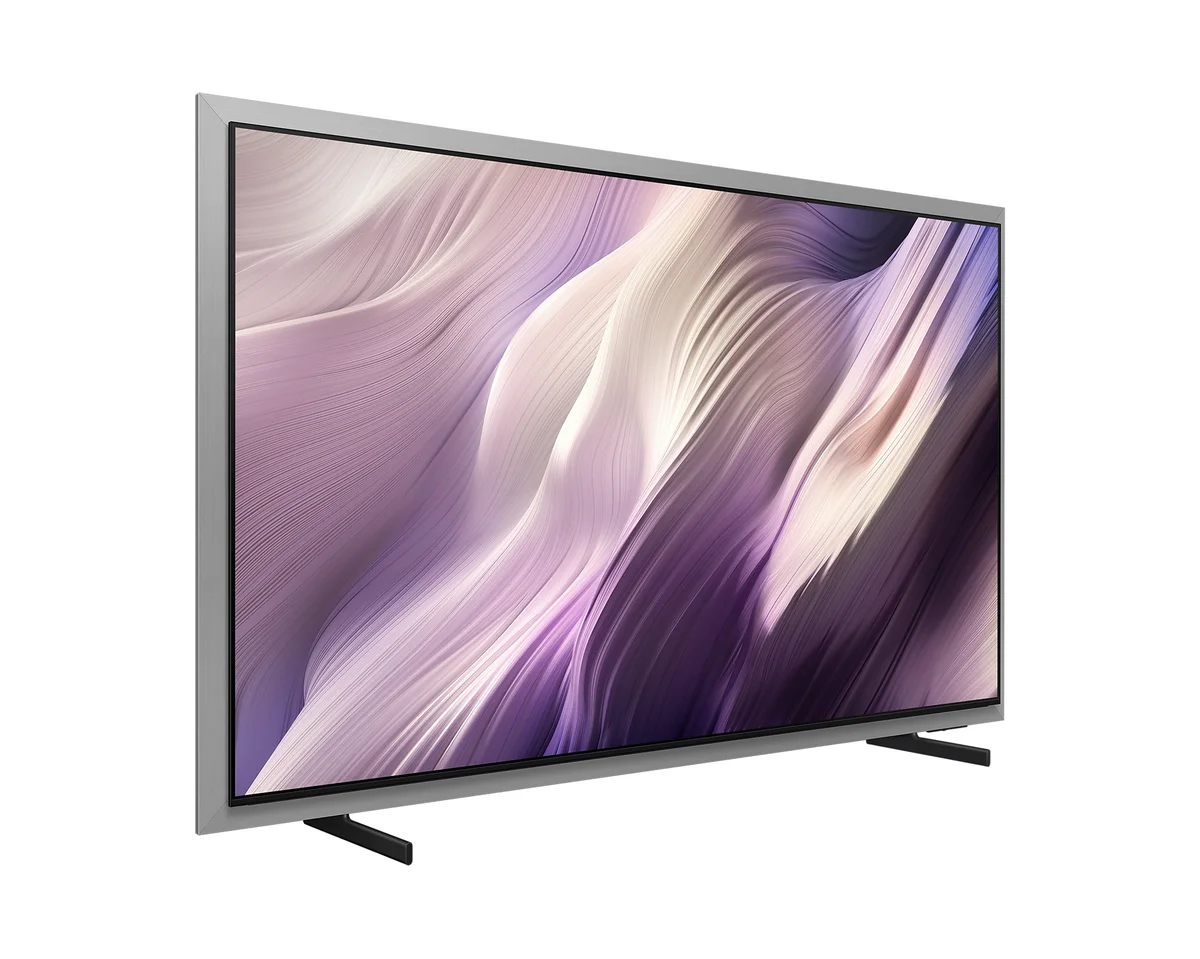
RTINGS buys every TV it reviews and runs the same lab suite on each one, from input lag to HDMI bandwidth. In its October 2026 update, Adam Babcock ranked the Samsung S95H OLED the best gaming TV the lab has tested, and it also tops RTINGS's list of the best TVs for PS5. All four HDMI ports carry HDMI 2.1 bandwidth at up to 4K and 165Hz, with FreeSync, G-SYNC and HDMI Forum VRR supported.
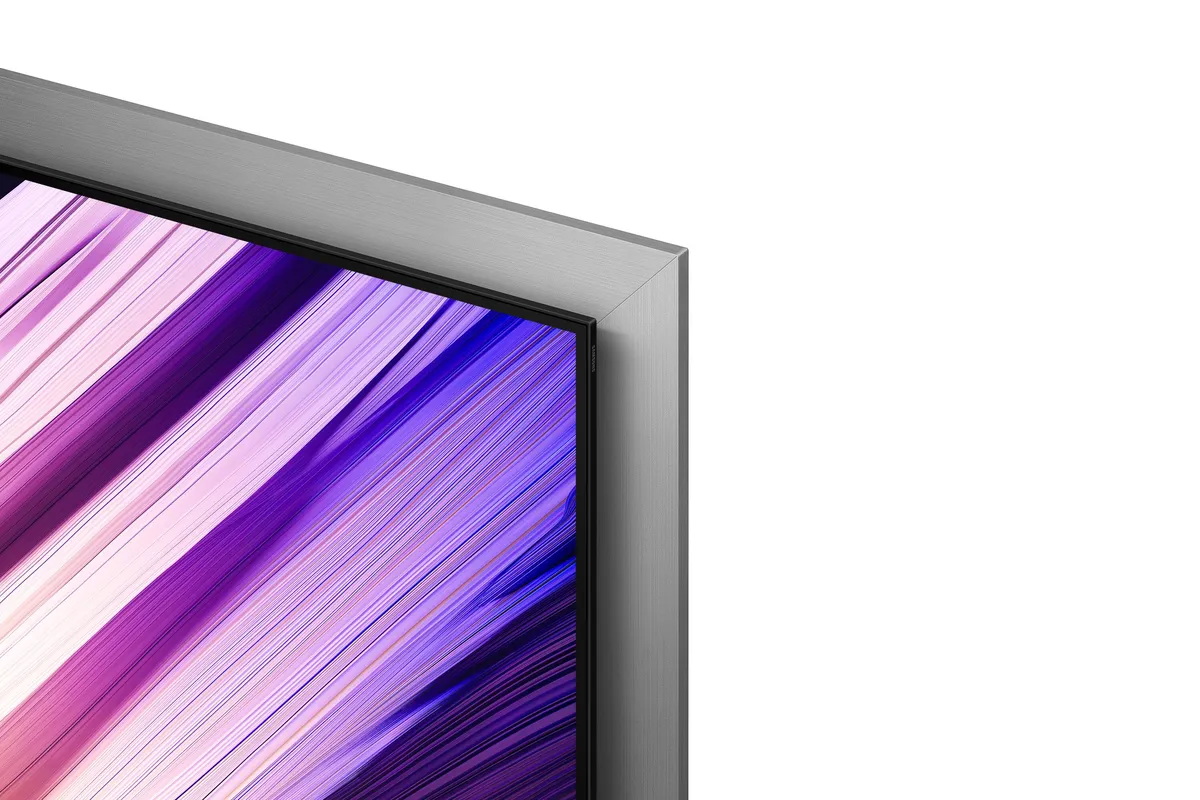
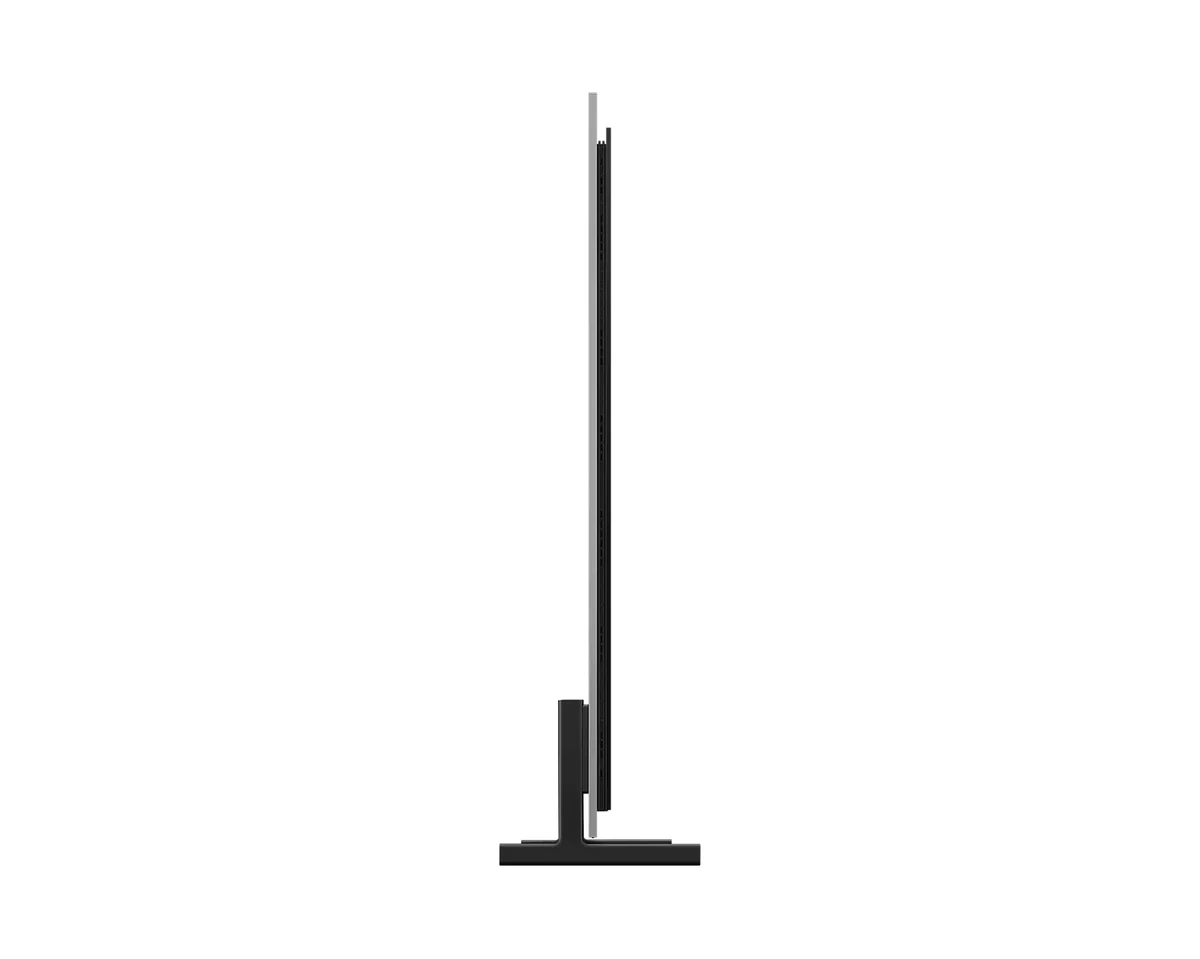
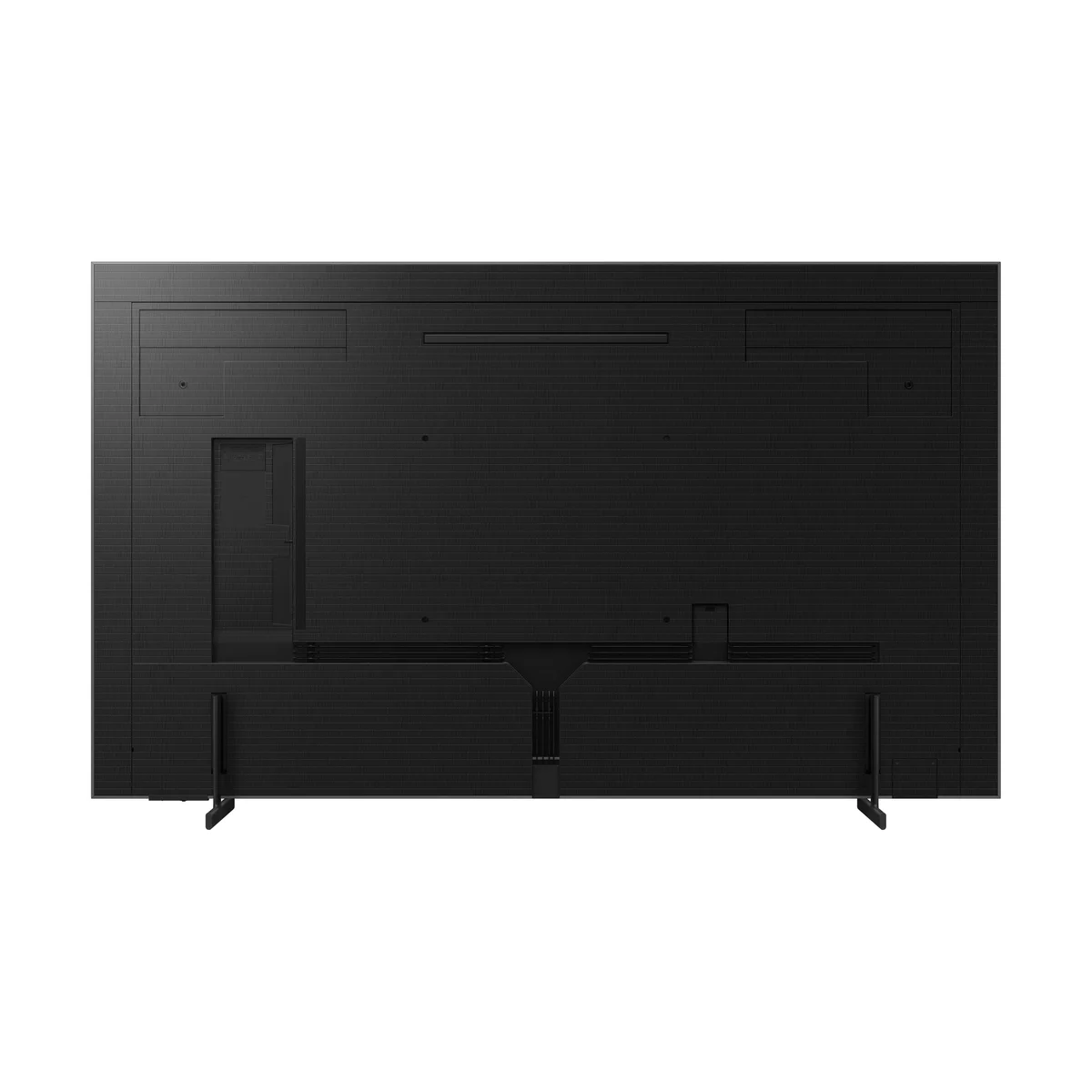
PCMag's Will Greenwald, a certified TV calibrator, put it at the top of his OLED testing too. He measured 9.2 ms of input lag at 4K/60 and called it "the brightest, fastest, and most feature-packed OLED TV we've tested."
Its matte screen is the real advantage over the LG C6. Glossy OLEDs turn into mirrors when a lamp or window faces them, and RTINGS and TechRadar both warn about that on the C6. RTINGS says the S95H's coating and brightness let it "easily overcome glare in very bright rooms," and most consoles live in living rooms that people also use during the day.
What It Won't Do
There's no Dolby Vision. PS5 owners won't miss it, since the console doesn't output it, but Xbox Series X players lose the Dolby Vision gaming that the LG C6 supports. Price is the other problem. Samsung lists the 65-inch at $3,399.99, and Tom's Guide's James Frew tested it and still told readers to buy the 2025 S90F until 2026 prices come down. It isn't sold on Amazon. RTINGS also notes that blacks take on a slight gray cast with room lights on.
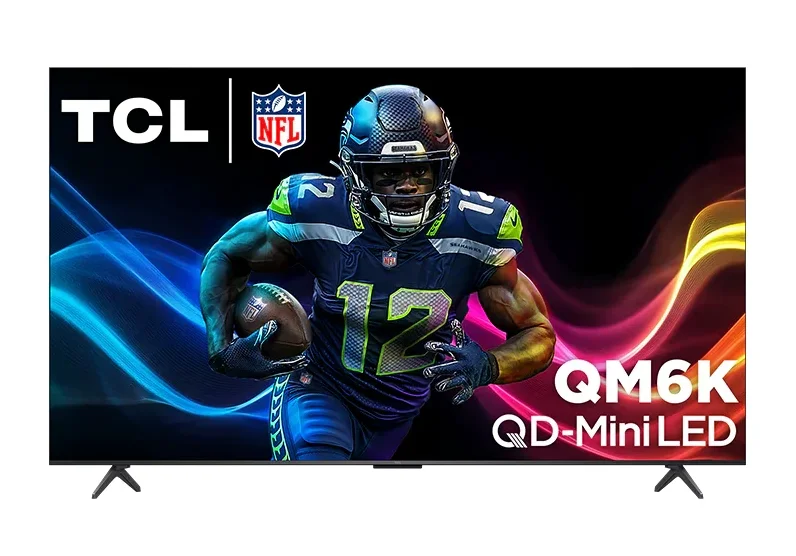
The TCL QM6K won Best Value because it delivers specs that cost $2,000 three years ago for around $700. The Viewing Angle called it "the most pleasant surprise of the year." RTINGS still names it the best budget gaming TV in its October 2026 update, and TechRadar and IGN agree. Jon Rettinger said it "blew me away for the price." The consensus is unusually uniform.
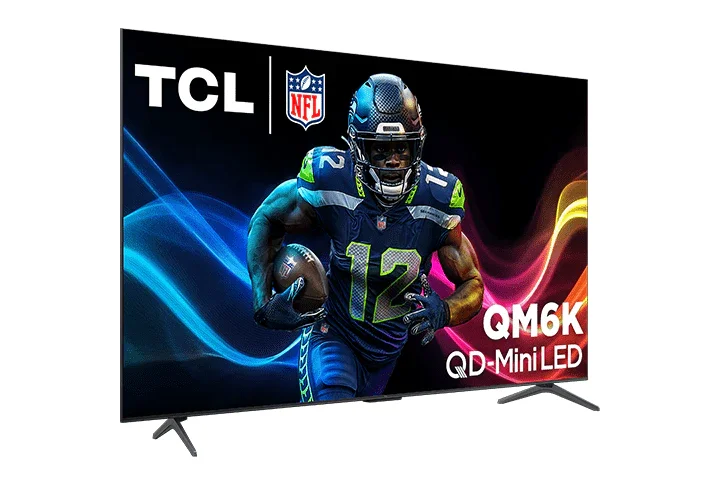
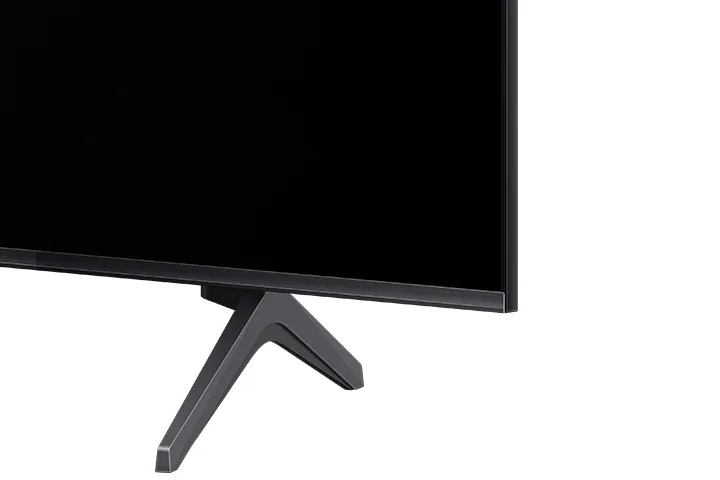
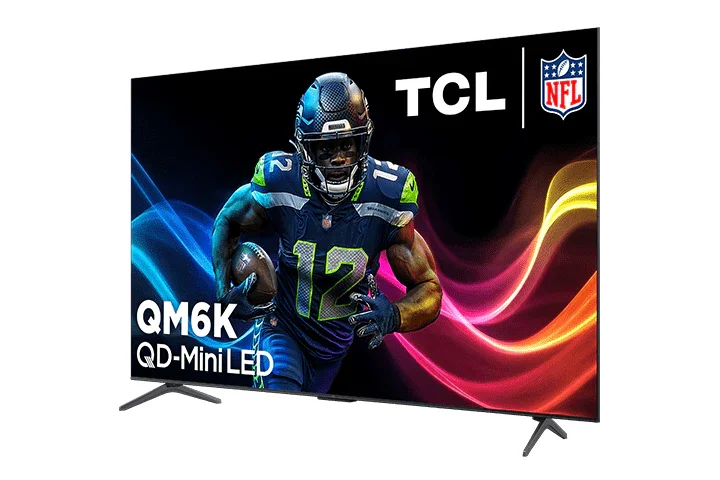
The QD-Mini-LED panel supports 4K at 144Hz natively, and RTINGS confirmed it can push 288Hz at 1080p for competitive shooters. Quantum dot color accuracy is the real surprise here. In a blind comparison, The Viewing Angle's wife picked the QM6K's picture over a $1,400 Sony. Skin tones render with what The Viewing Angle described as "near monitor-level accuracy," something budget TVs have never done before.
Google TV runs clean and snappy. Both Dolby Vision and HDR10+ are supported, which neither Samsung OLED can claim. TCL lists the 65-inch at $799.99, less than a quarter of the S95H's list price.
What It Won't Do
It has just two HDMI 2.1 ports. If you own a PS5, an Xbox, and an eARC soundbar, you're already one port short. Jon Rettinger and The Viewing Angle both flagged this as the QM6K's most frustrating limitation. The VA panel also has narrow viewing angles, so colors wash out fast if anyone sits to the side. HDR brightness tops out around 812 nits, which means highlights don't explode off the screen the way they do on a $2,000 OLED. And in dark rooms, blooming around bright objects on dark backgrounds is visible.
Who Should Buy Which
Samsung S95H 65"
RTINGS's best gaming TV of 2026, a matte QD-OLED with four HDMI 2.1 ports that all run 4K at 165Hz
- Gamers whose TV faces a window or bright lamps
- PC players who want 165Hz on all four HDMI ports
- PS5 owners, who don't lose anything without Dolby Vision
- Anyone who wants the best OLED picture of 2026
TCL QM6K 65"
The budget gaming pick at RTINGS, TechRadar and IGN, with 144Hz Mini-LED gaming at under a quarter of the S95H's list price
- Budget console gamers who mostly play in the evening
- Single-console homes that only need two HDMI 2.1 inputs
- Competitive players who want the 288Hz mode at 1080p
- A second TV for a bedroom, office or game room
- Viewers who sit straight in front of the screen