The Best Gaming Headsets
Verified by
 Ryan V. Editor-in-Chief
When you purchase through links on our site, we may earn an affiliate commission.
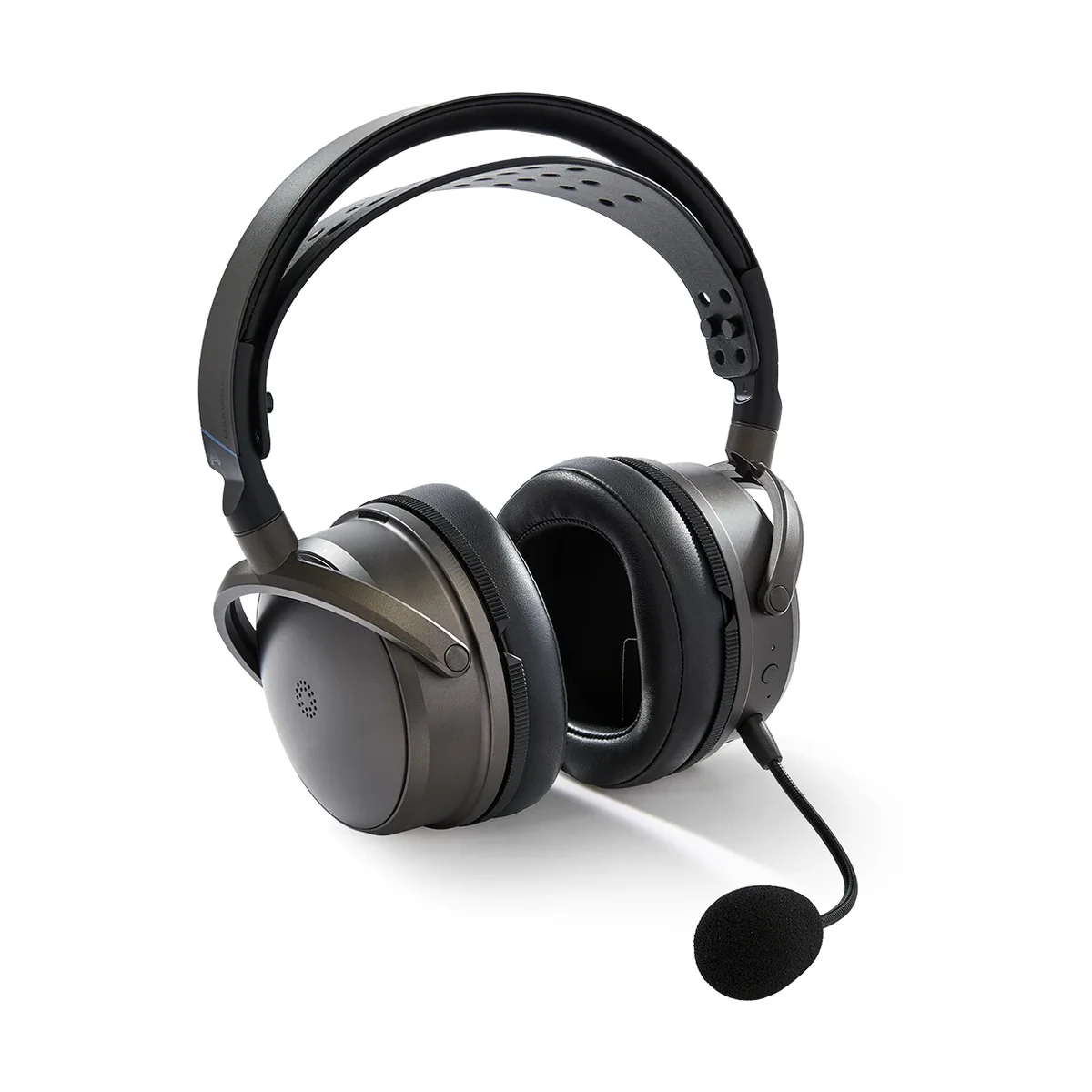
Thirteen of the 25 reviews we analyzed put the Audeze Maxwell 2 at or near the top, almost always for how it sounds. IGN spends about 10 hours with each headset across Counter-Strike 2, Final Fantasy XIV, The Last of Us Part II and Spotify, and its verdict was blunt: nothing sounds as good. The 90mm planar magnetic drivers make the difference. Consumer Tech Review and The Headphone Show both heard lower distortion and deeper, better-controlled bass than dynamic-driver headsets manage. Stream Tech Reviews pointed to transients so quick that explosions stop cleanly instead of smearing over footsteps.
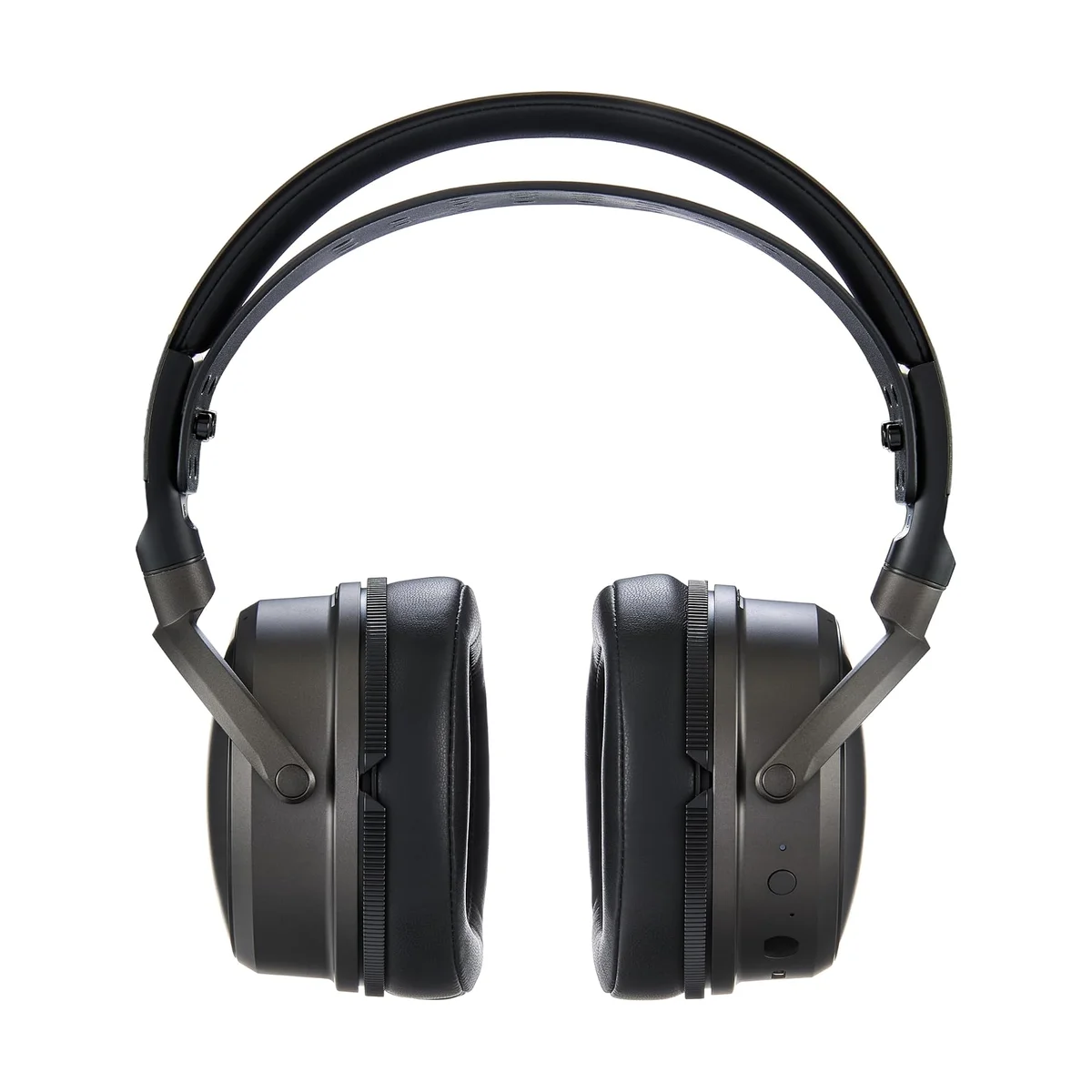
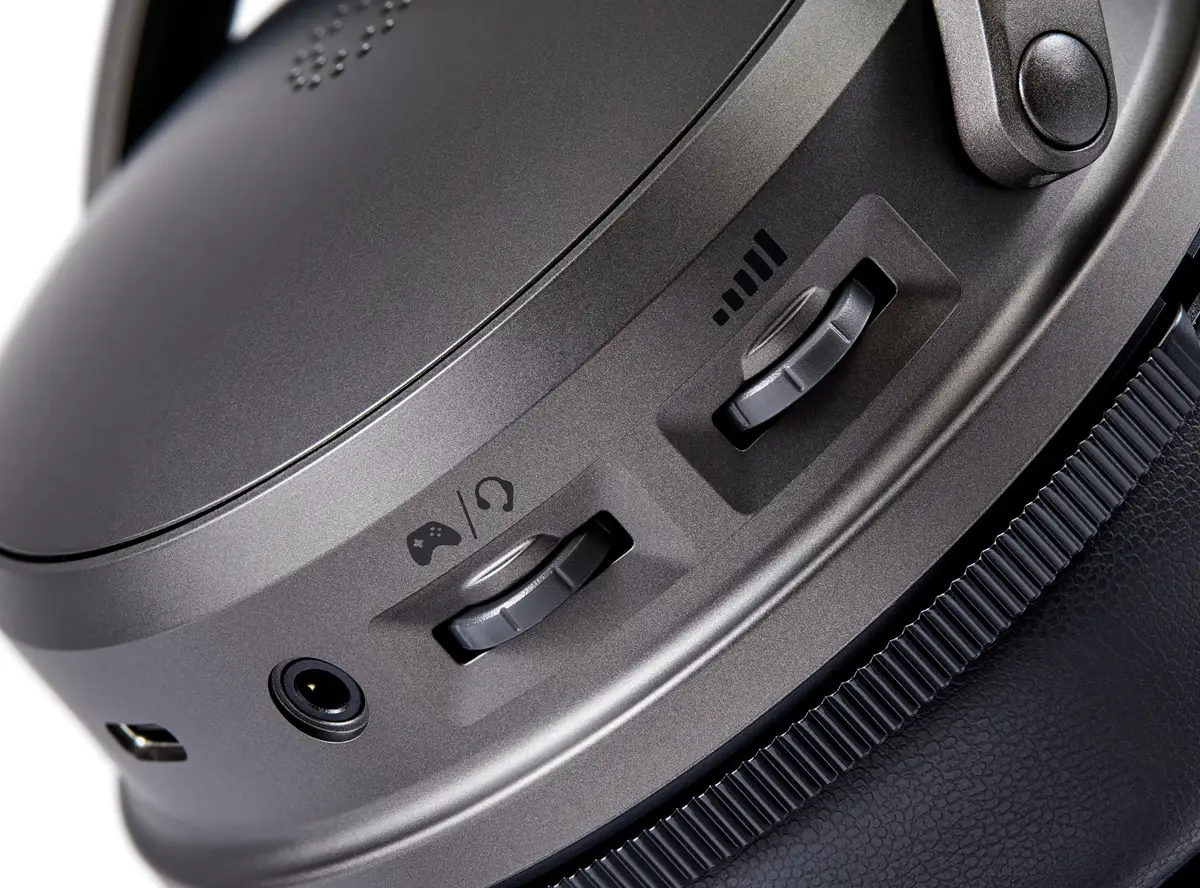
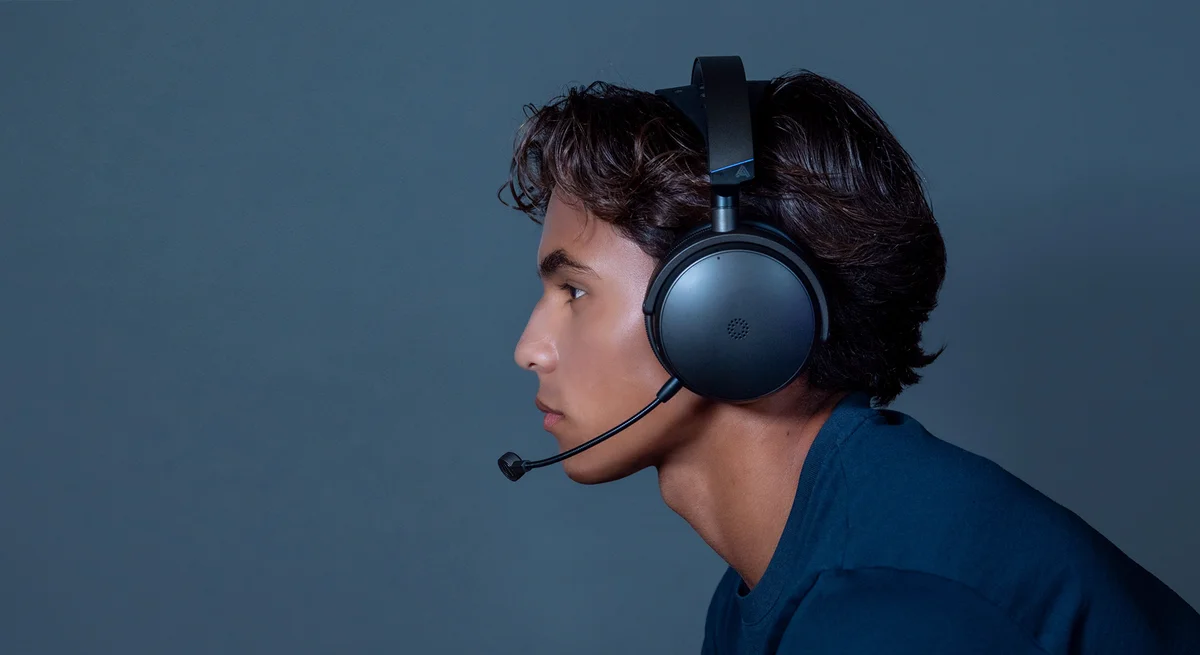
That detail carries into games. Consumer Tech Review called its soundstage the widest of any closed-back headset it tested, and reviewers describe picking out a reload or a distant footstep in the middle of a firefight. Plug in over USB-C or 3.5mm and you get lossless audio, which Consumer Tech Review says turns it into a proper audiophile headphone.
Battery life runs past 80 hours, the longest in our lineup. You get a 2.4GHz dongle for low latency and Bluetooth 5.3 with LDAC and LE Audio, and the frame uses aluminum forks and a steel-reinforced headband that Consumer Tech Review called buy-it-for-life. This generation also fixed the side-tone crackle CJKnowsTECH heard on the original Maxwell. Audeze sells the PlayStation and PC version for $329 and the Xbox version for $349.
What It Won't Do
Weight. At 560 grams, the Maxwell 2 is the heaviest headset we considered and about 70 grams heavier than the original. IGN, TechByTravis, BadSeed Tech and Audioviser all reported neck strain once sessions passed two or three hours, even with the wider, ventilated strap. The software lets it down too: Consumer Tech Review and TechByTravis call the Audeze app basic, with no proper parametric EQ. This model has no ANC, and it won't play 2.4GHz and Bluetooth audio at the same time.
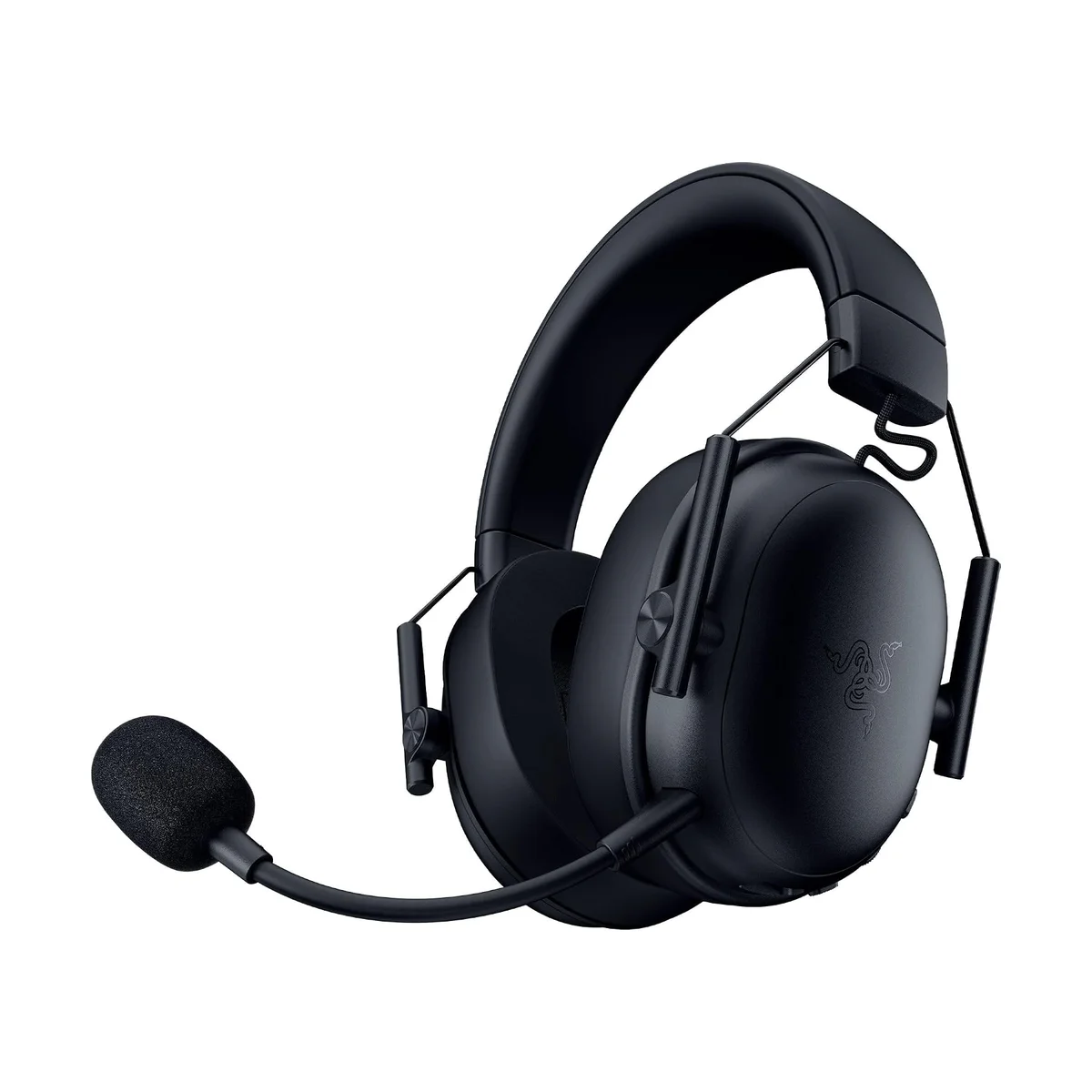
Consumer Tech Review runs elimination brackets across eight price tiers, and the BlackShark V3 X HyperSpeed took its value title outright. The reviewer said they were "shocked with the audio quality under $100." GadgetryTech, which measures headsets on a B&K 5128 ear simulator, called it a market disruptor, and IGN recommends the BlackShark V3 family to mid-range buyers.
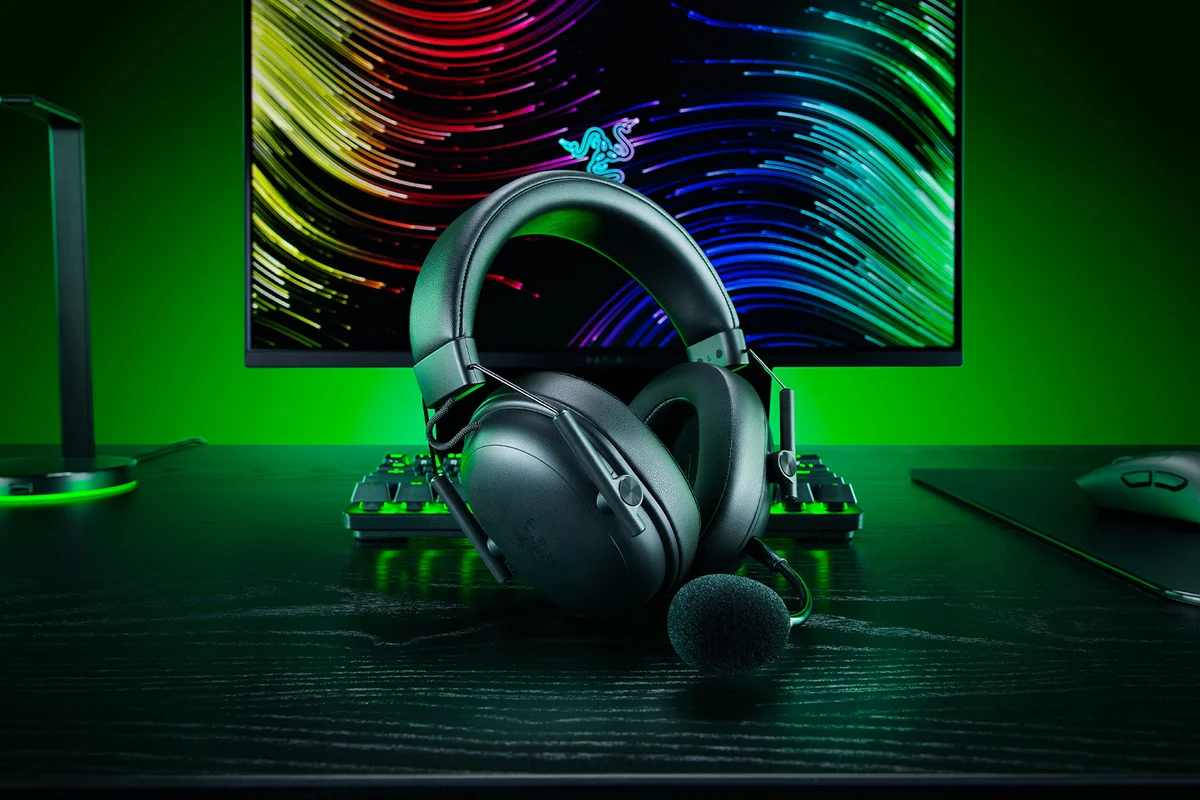
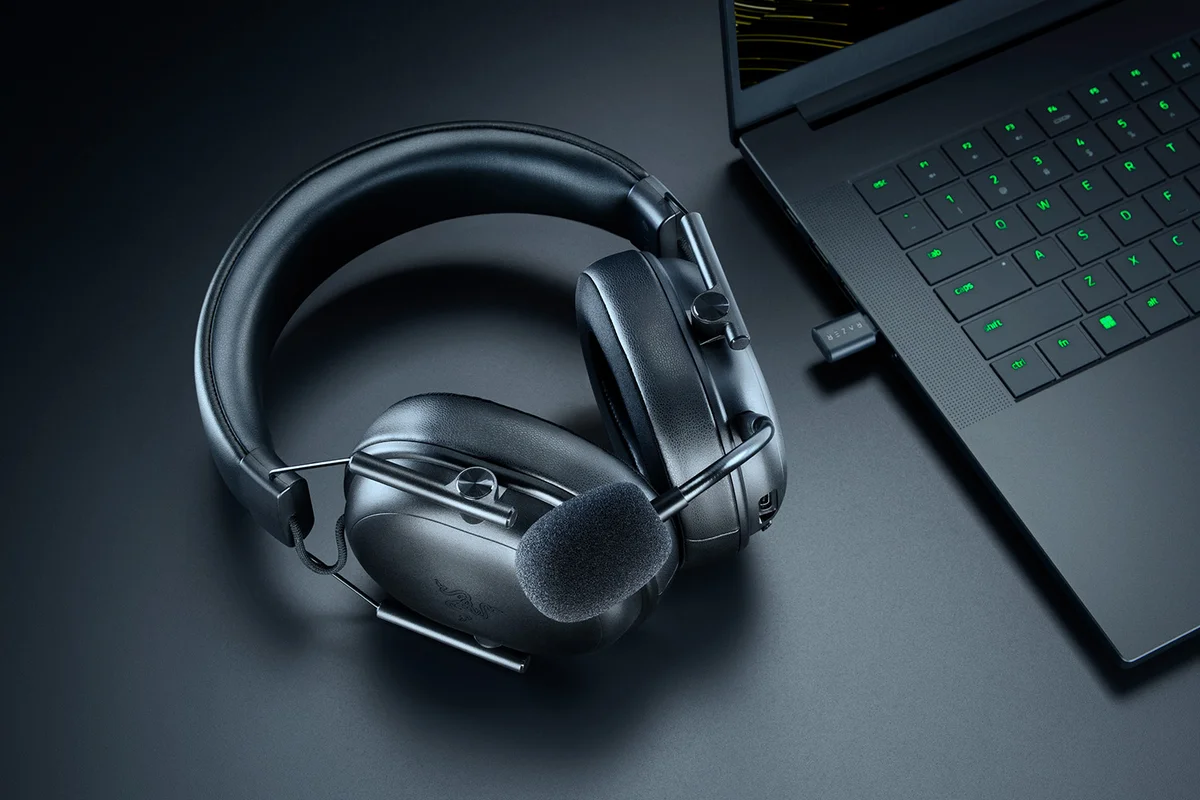
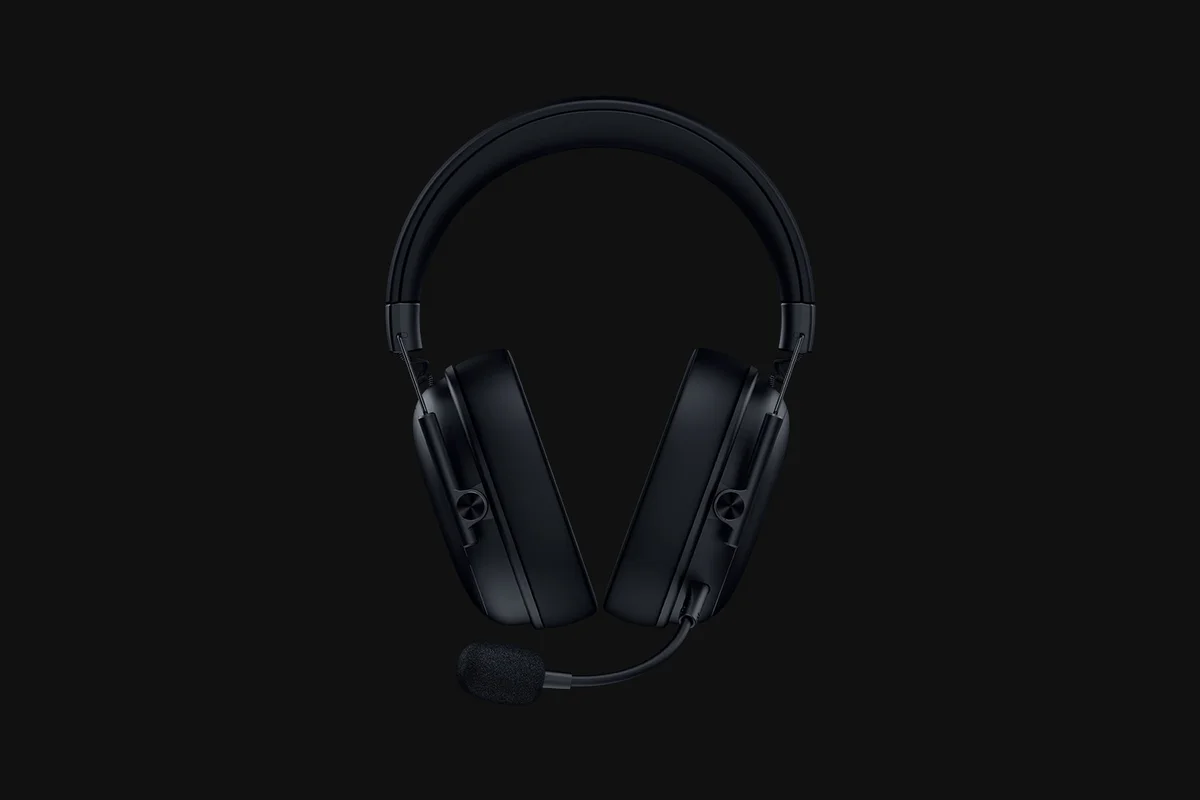
Its strengths match what competitive players need. Razer tuned the 50mm TriForce drivers with extra upper mids and treble, and Consumer Tech Review and IGN found footsteps and reloads in CS2 and Valorant as easy to place as on headsets costing three or four times as much. The HyperClear cardioid mic surprised reviewers too. Both Consumer Tech Review and GadgetryTech put its clarity and noise rejection alongside mics on $150 to $250 flagships.
It weighs 270 grams to the Maxwell 2's 560, and IGN and GadgetryTech wore it for long sessions without the neck strain the Audeze causes. Battery life is 70 hours over 2.4GHz, with Bluetooth 5.3 on a switch button. Razer lists it at $99.99, which is $229 less than the Maxwell 2.
What It Won't Do
Watch the sliders. Consumer Tech Review and The Video Nerd found the thin wire arms feel delicate and can loosen over time, letting the ear cups slip out of position. The bright tuning that helps in shooters comes across thin on music and movies until you set an EQ in Razer Synapse, which runs on Windows. It can't play Bluetooth and 2.4GHz audio at once, there's no ANC or 3.5mm jack, and Xbox players need the separate Xbox model.
Who Should Buy Which
Audeze Maxwell 2
The sound-quality pick across 13 of our reviews, with 90mm planar drivers and an 80-hour battery
- PC and PlayStation players who put sound quality first
- Story-driven and cinematic gamers
- Music listeners who want one headset for both
- Players who'd rather not charge often, at 80-plus hours per charge
Razer BlackShark V3 X HyperSpeed
A 270g wireless headset whose mic reviewers compare to $150-plus flagships, for under $100
- Competitive FPS players
- Budgets under $100
- Long sessions where weight matters
- Squad players who need a clear mic