The Best Gaming Mice
Verified by
 Ryan V. Editor-in-Chief
When you purchase through links on our site, we may earn an affiliate commission.
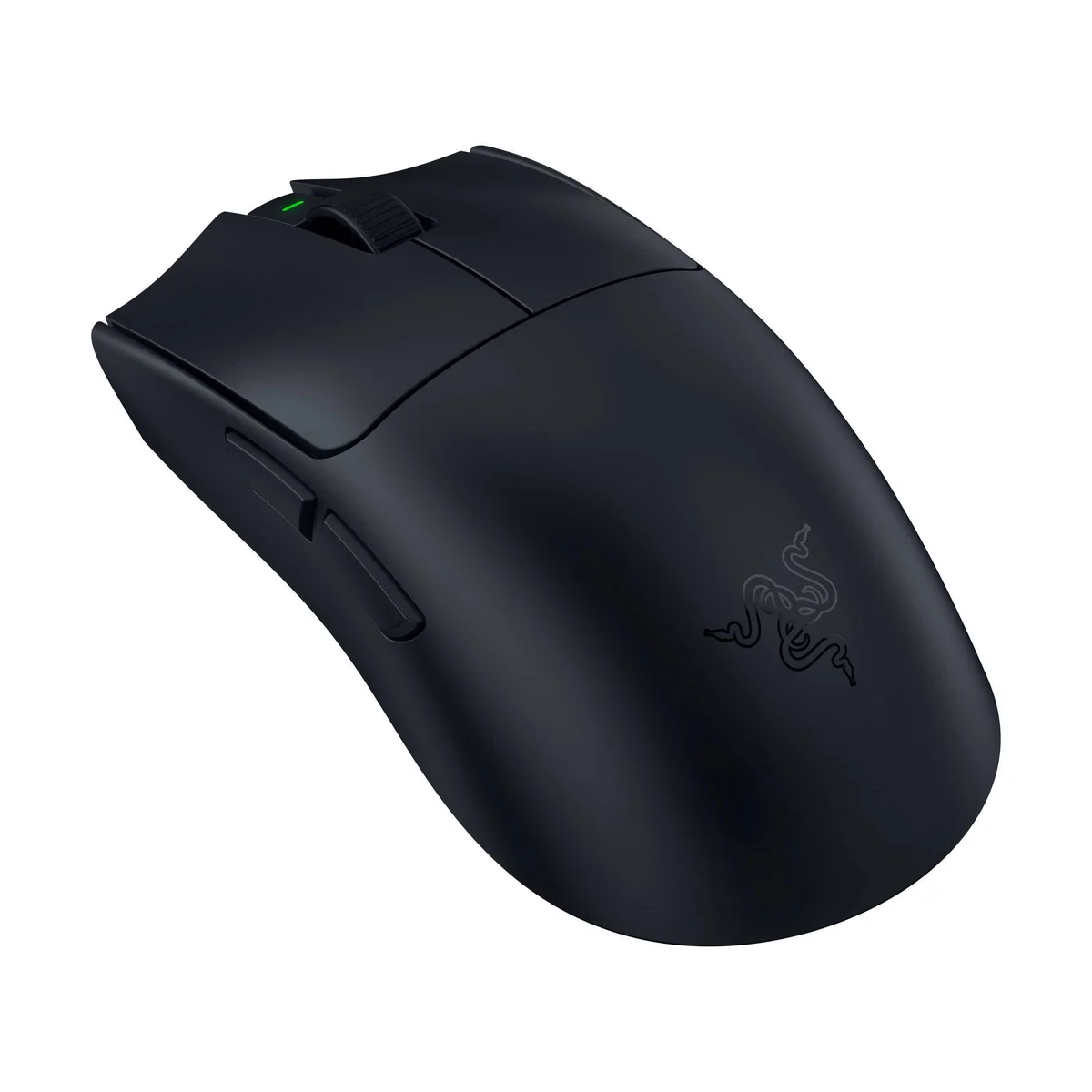
PC Gamer moved the Razer Viper V4 Pro to the top of its list in April 2026 and called it the best gaming mouse on the market, with near-flawless build quality. RTINGS backs that up with lab numbers. It measured exceptional click latency, incredible sensor latency and 8000 Hz polling over both cable and wireless, and it rates the Focus Pro 50K Gen-3 as one of the most accurate and consistent sensors it has ever tested.
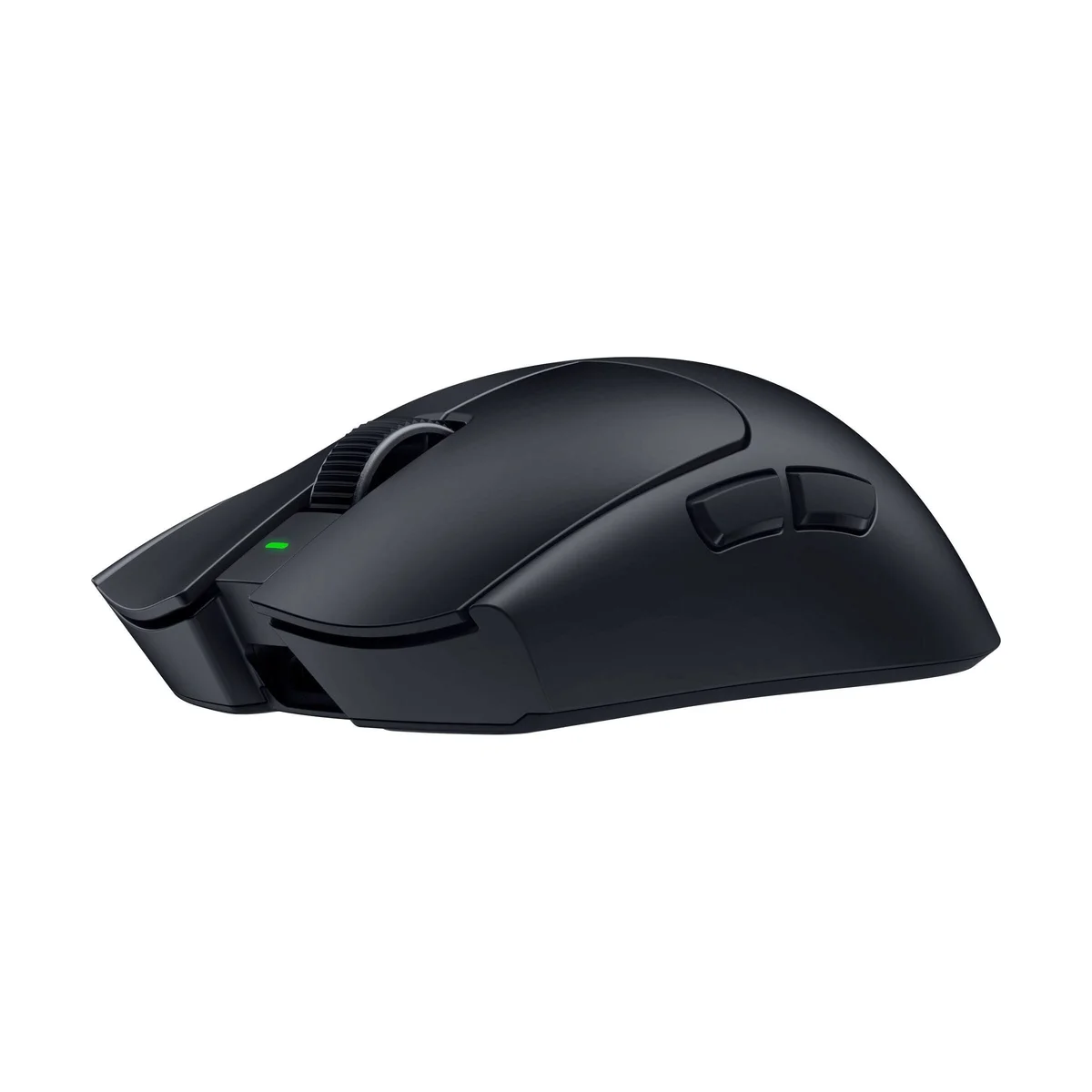
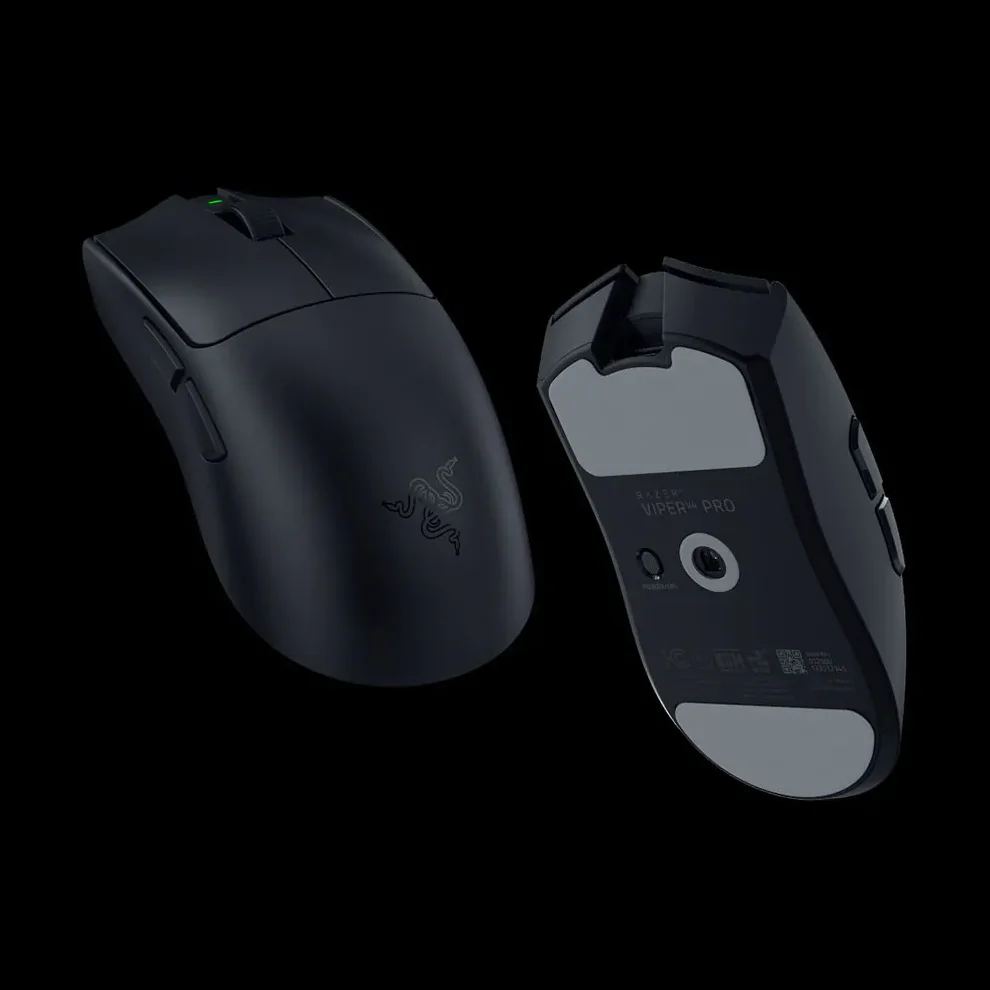
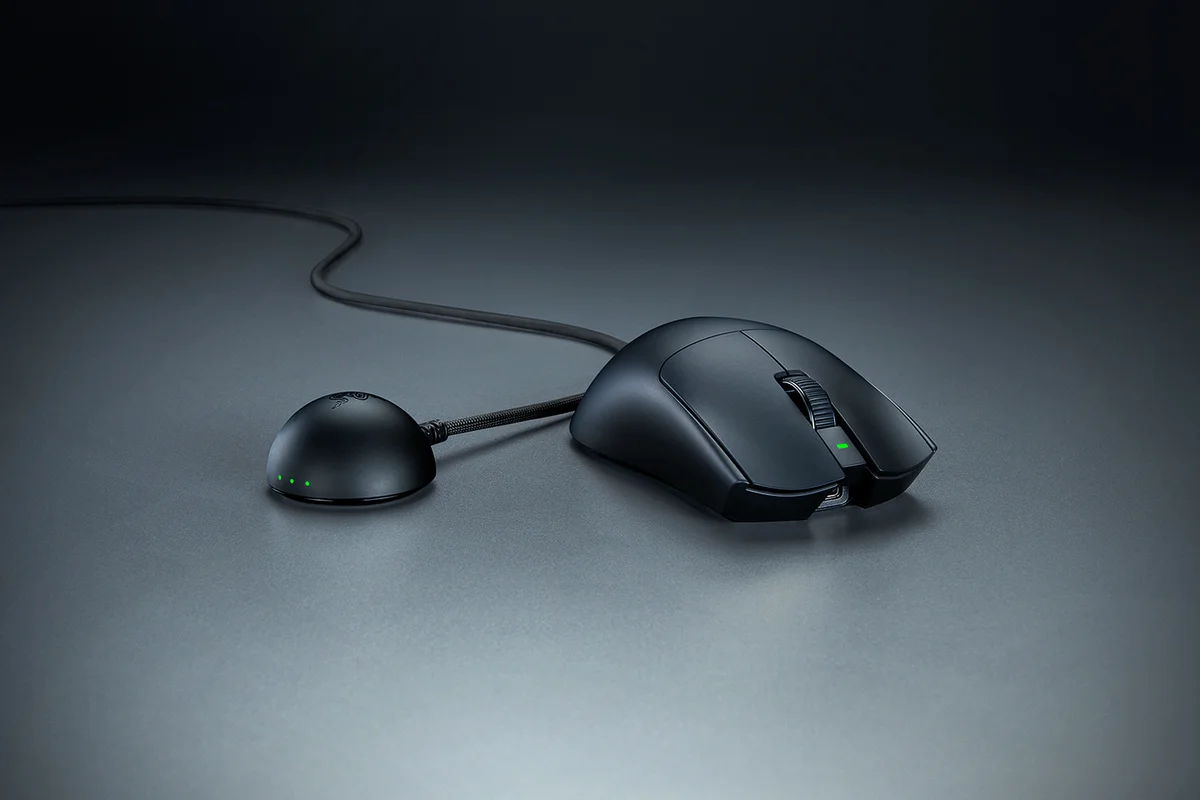
Weight and battery set it apart from the other flagships. The black version weighs under 49 g, 12 g less than Logitech's Superstrike, and Razer rates it at 180 hours per charge at 1000 Hz. IGN named it the best mouse for battery life. Tom's Guide made it the best lightweight pick after its reviewer found every flick and micro-adjustment registered instantly.
Logitech's G Pro X2 Superstrike topped more lists this year, and IGN calls its haptic clicks the biggest innovation for a decade. Logitech replaced it with the PRO X3 Superstrike on September 24, and none of our sources have tested the X3 yet. That leaves the Viper V4 Pro, at $159.99, as the best current mouse with full test results behind it.
What It Won't Do
The clicks are loud. PC Gamer, RTINGS and Tom's Guide all describe the Gen-4 optical switches as very loud, and PC Gamer adds that they sound a little hollow. You also give up the Superstrike's signature feature, since RTINGS points out the Viper has no adjustable click position or feel. IGN found Razer Synapse annoying and the 8K dongle bulky. Run it at 8000 Hz and Razer's battery rating falls from 180 hours to 45.
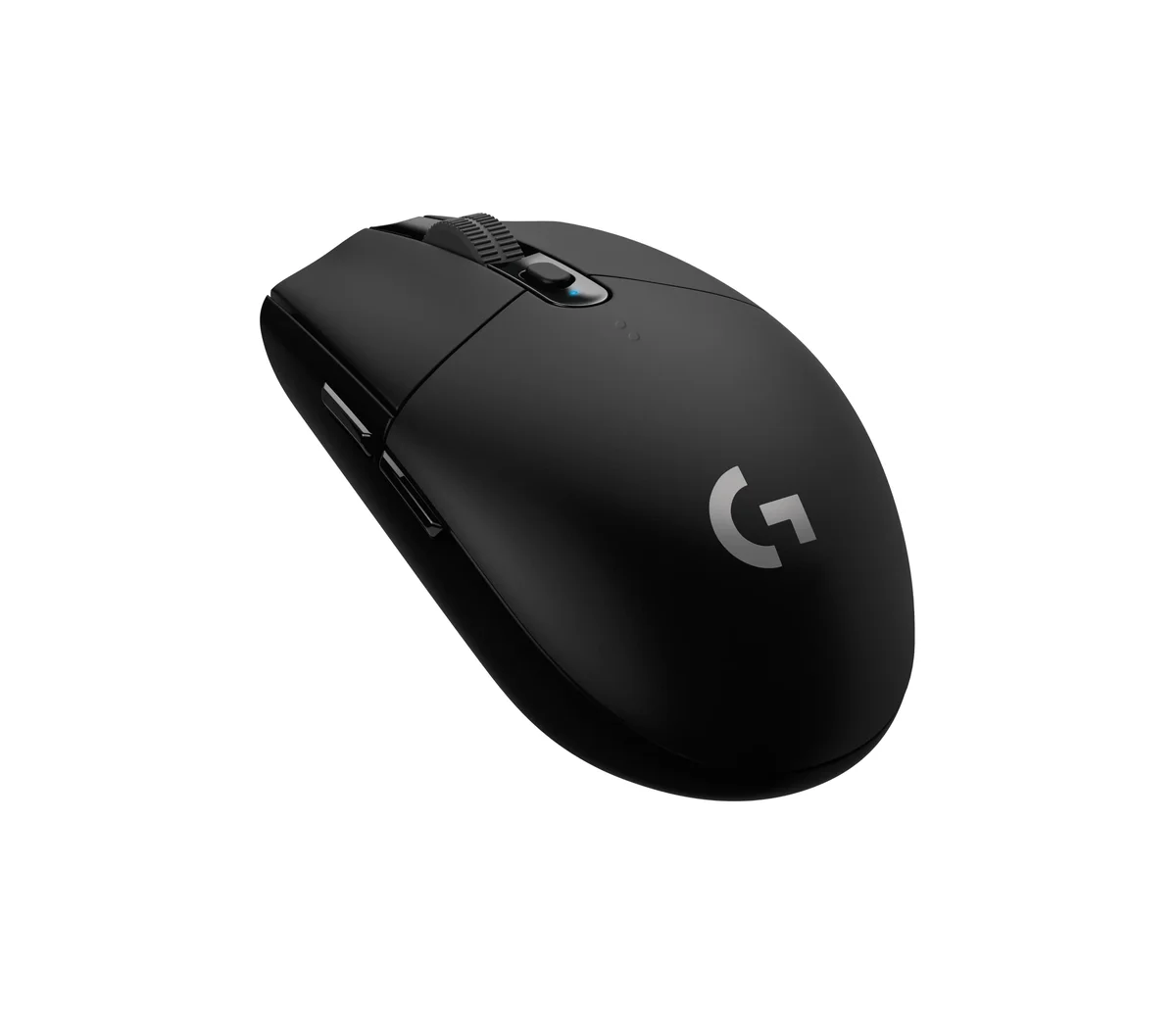
RTINGS still names the Logitech G305 Lightspeed its best budget gaming mouse in 2026, eight years after launch. Its lab measured excellent click latency and consistent sensor performance, and it says the compact, egg-shaped body suits nearly every hand size and grip. Wirecutter's panel made it the budget pick too, calling it accurate and responsive.
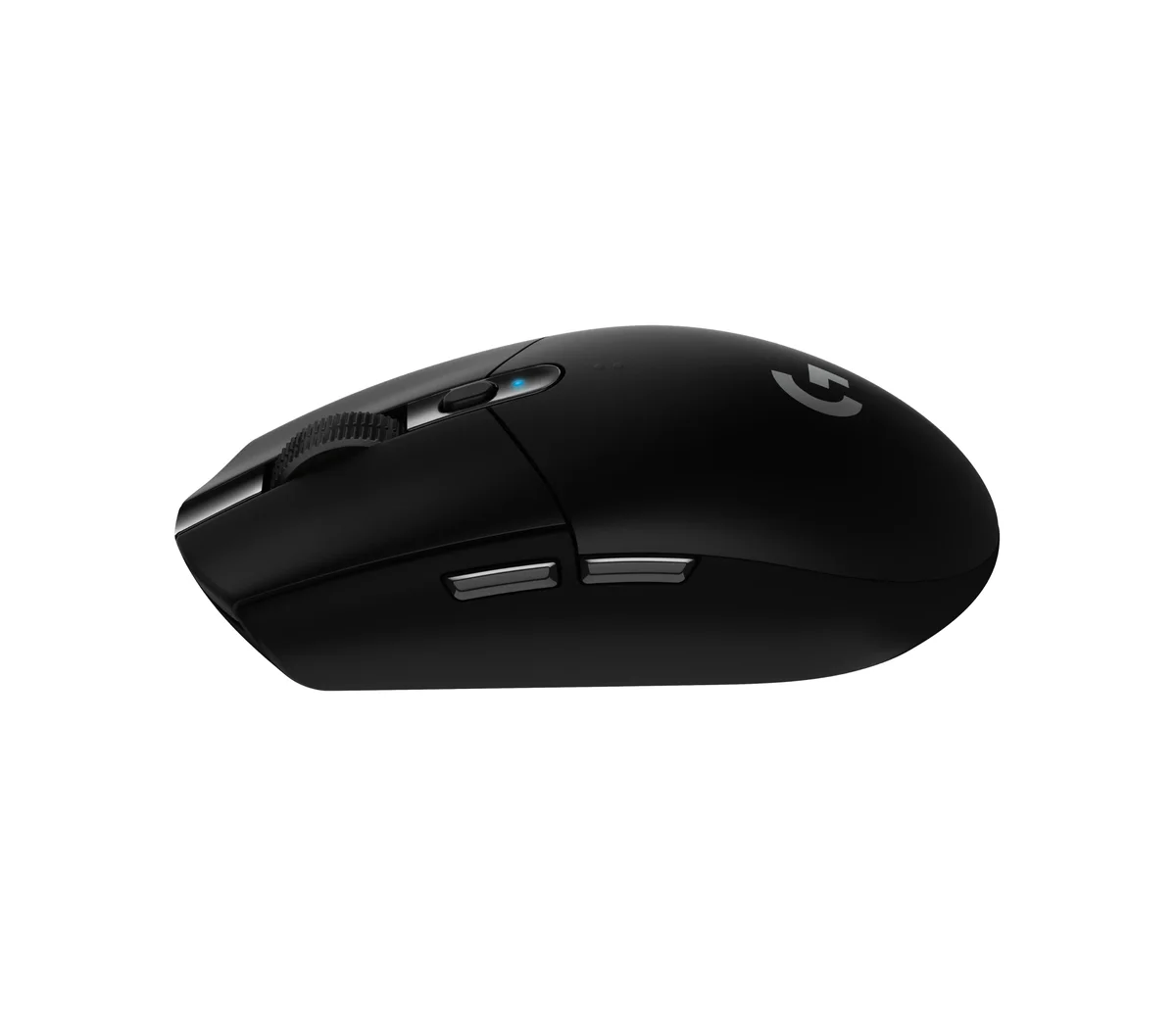
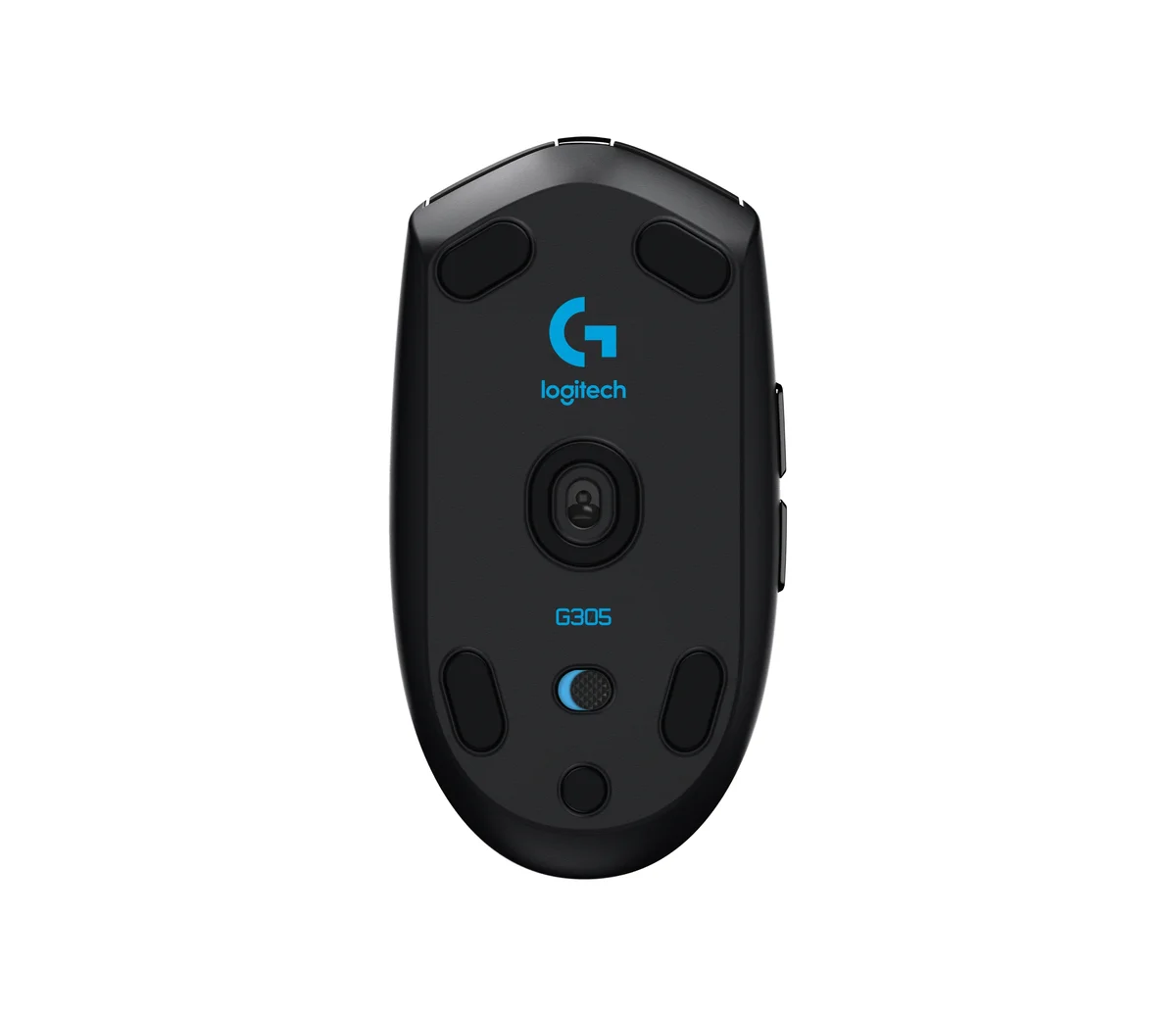
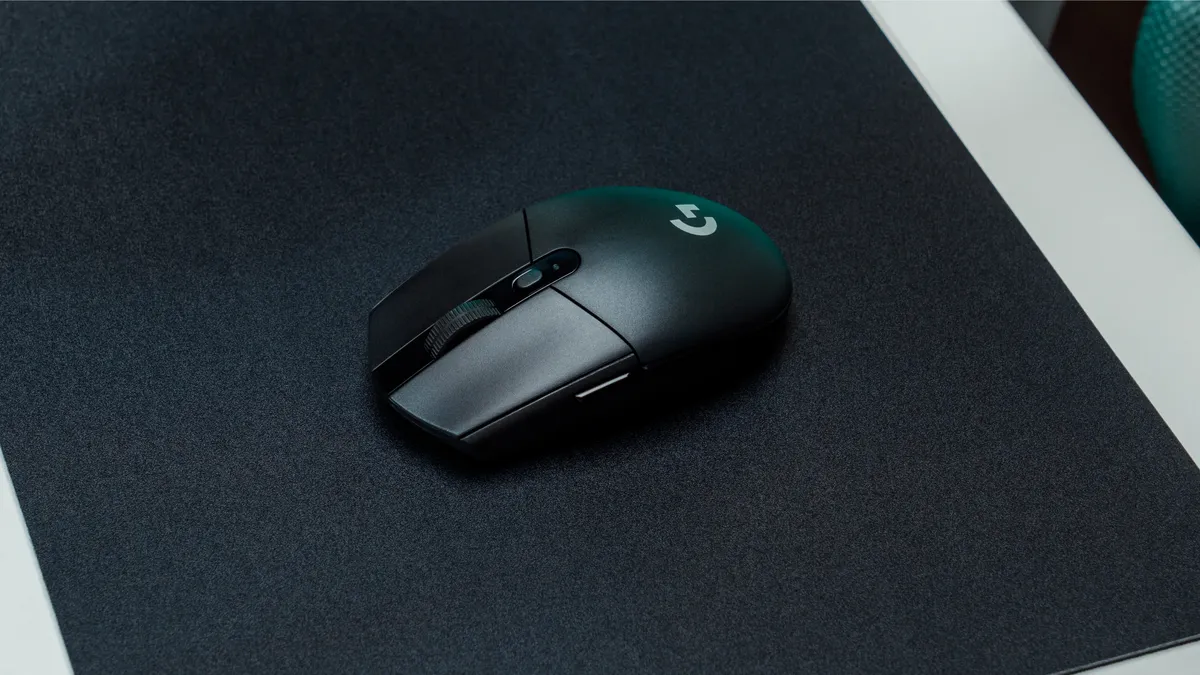
Then there's the AA battery. Logitech rates a single cell at up to 250 hours, longer than any rechargeable mouse in our lineup, so there is no charging schedule to manage. Settings save to the mouse through G Hub.
Logitech lists it at $59.99, a full $100 below the Viper V4 Pro, and it often sells for less.
What It Won't Do
Weight is what you trade away. With its AA battery the G305 weighs about 99 g, which RTINGS calls its major downside, and that is double the Viper V4 Pro. It also stops at 1000 Hz polling on a 12,000 DPI HERO sensor, well behind the 8000 Hz flagships. Wirecutter warns the mechanical switches can start double-clicking. There is no wired mode, so a lost receiver leaves you stuck, and PC Gamer has already swapped it for the Mchose G3 V2 Pro, a cheaper near-copy.
Who Should Buy Which
Razer Viper V4 Pro
PC Gamer's best gaming mouse of 2026, with a sensor RTINGS ranks among the most accurate it has measured
- Competitive FPS players who want one of the most accurate sensors RTINGS has measured
- Claw and fingertip grippers with small to medium hands
- Anyone who hates charging, with up to 180 hours at 1000 Hz
- Players moving up from a Viper V3 Pro or Superlight 2
- Buyers who want a fully tested flagship while Logitech's X3 awaits reviews
Logitech G305 Lightspeed
RTINGS' best budget gaming mouse and Wirecutter's budget pick, with up to 250 hours on one AA battery
- Casual and mid-level players who want wireless without flagship prices
- Anyone who would rather swap an AA battery than charge a mouse
- Players of nearly any hand size, thanks to the shape RTINGS praises
- Students and first-time PC gamers
- People who want a spare or travel mouse