The Best PC VR Headsets
Verified by
 Hadleigh V. Lead Product Analyst
When you purchase through links on our site, we may earn an affiliate commission.
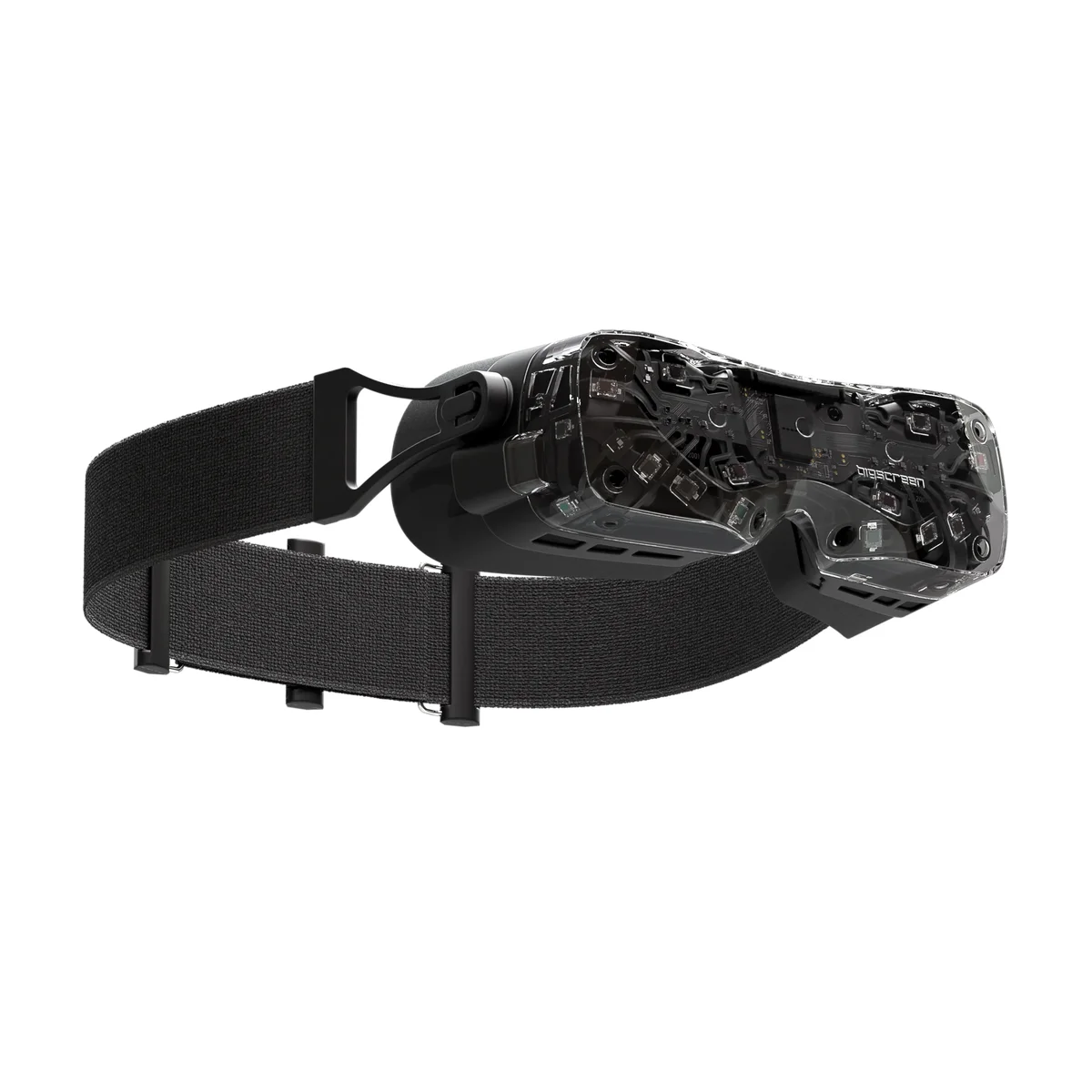
The Bigscreen Beyond 2 wins because it solves the two hardest problems in PC VR at the same time: visual quality and comfort. At 107 grams, it weighs less than most smartphones. Optimum wore it for three-hour iRacing stints and reported zero face pressure or neck fatigue, a claim no other headset in this lineup can match. Ryan Clifford used a dedicated FOV-testing app and measured 104 degrees horizontal, beating the Quest 3's effective horizontal coverage.
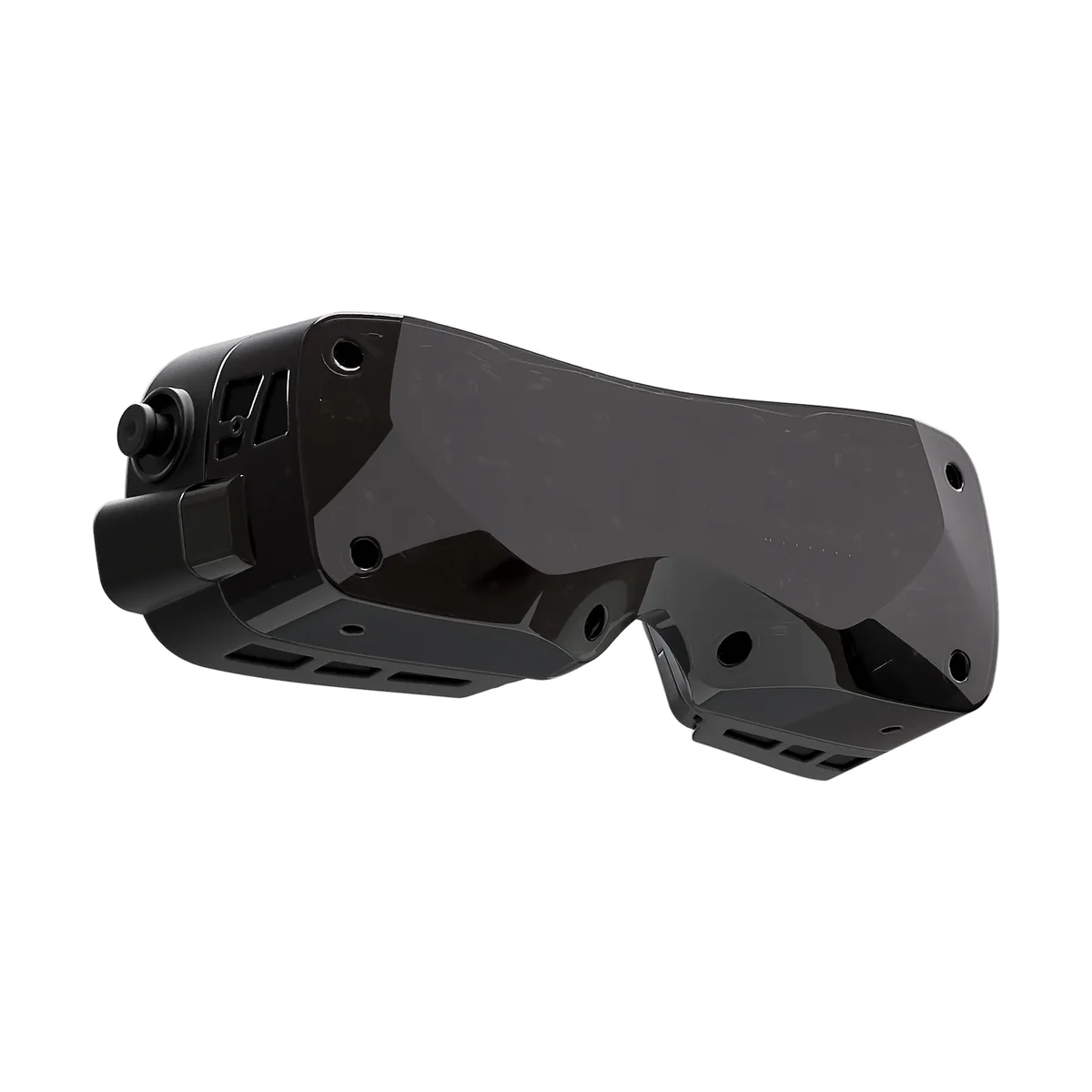
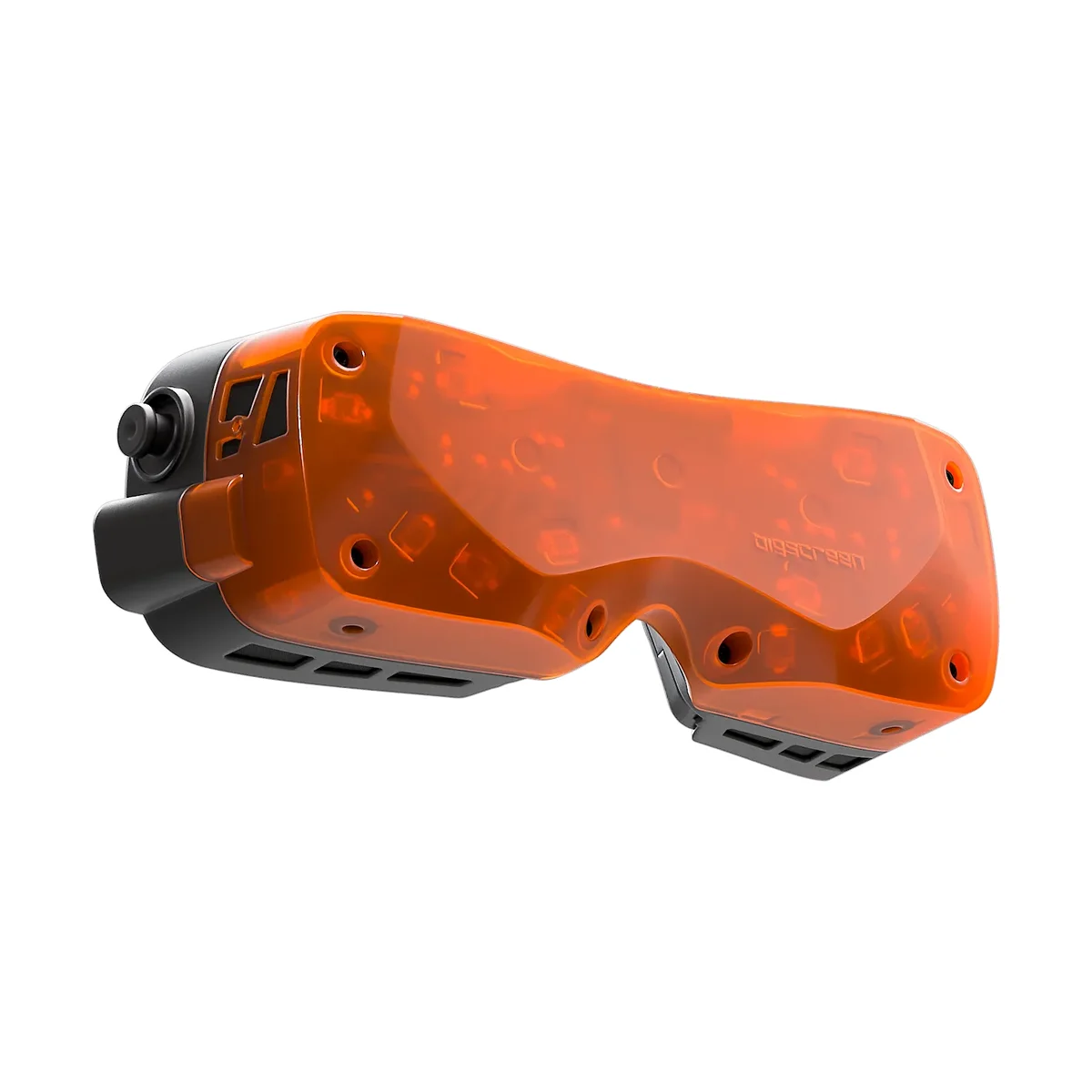
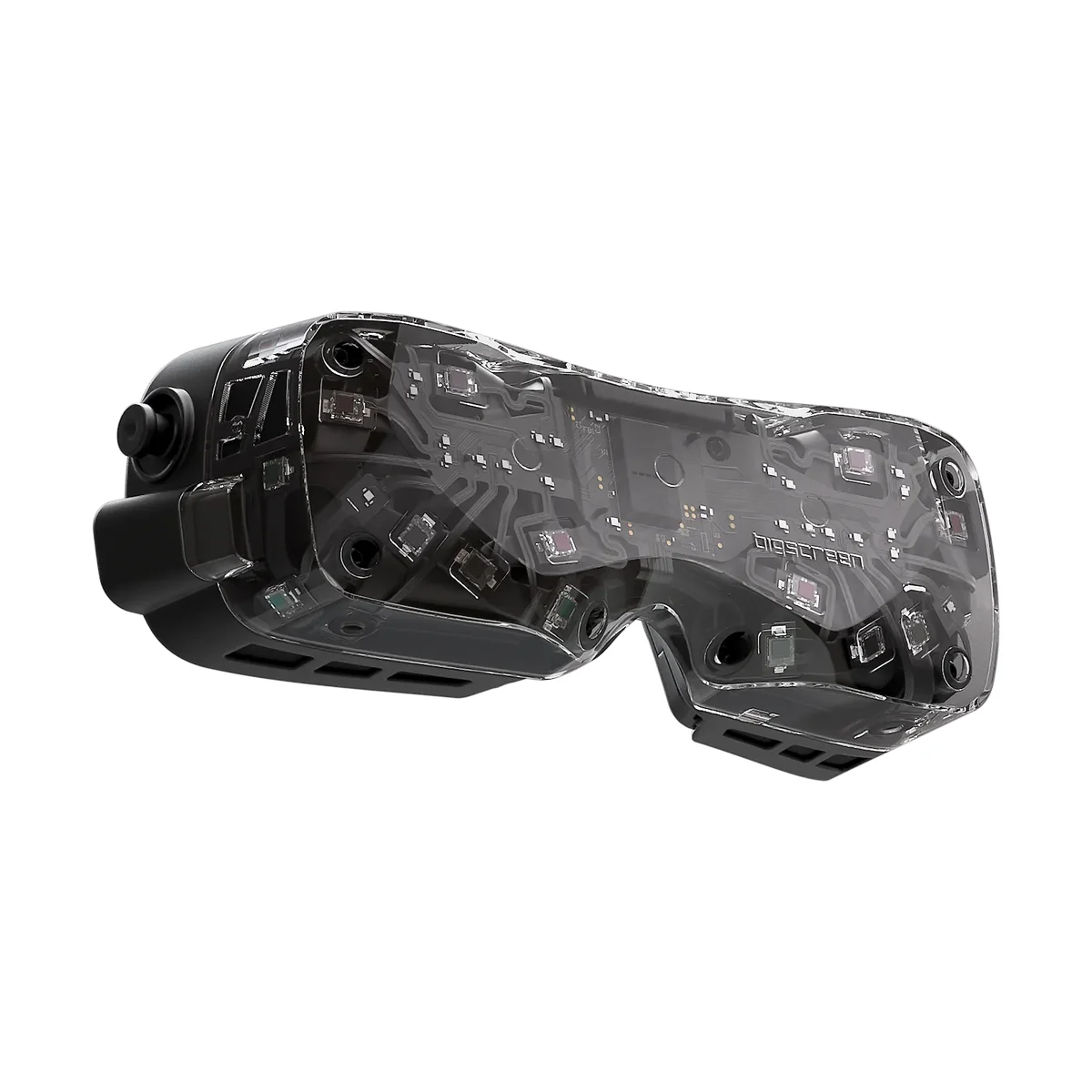
The Micro-OLED panels are the real story. Two 2560x2560 RGB-stripe displays produce true blacks that make every LCD headset look washed out by comparison. Ryan Clifford described the difference like closing your eyes outside in bright sun versus a dark room: LCD panels always bleed light, and once you've seen OLED blacks in a dark cockpit or horror game, going back feels broken.
Bigscreen completely redesigned the pancake lenses for generation two, and reviewers noticed immediately. Optimum ran back-to-back comparisons against the Quest 3 and found noticeably less chromatic aberration across the entire field of view. Linus Tech Tips confirmed that the distracting lens flares from the original Beyond are gone. The sweet spot rivals the Quest 3's, which means you get OLED contrast without sacrificing the clarity pancake lenses are known for.
The native DisplayPort 1.4 connection through a fiber-optic tether delivers every frame without compression, without latency, without Wi-Fi hiccups. For sim racers tracking a car three corners ahead or flight sim pilots reading instrument gauges, that zero-artifact pipeline is non-negotiable.
What It Won't Do
The Beyond 2 is sold headset-only. You still need SteamVR base stations (minimum two), Valve Index controllers, and Bigscreen's audio strap. Linus Tech Tips tallied the full system cost as far higher than the headset alone, which makes this an investment, not an impulse buy. The audio strap itself feels flimsy for what it adds, catching on ears during adjustment. Optimum and Ryan Clifford both noted visible persistence (ghosting) during fast head movements at full brightness, a side effect of the 75Hz native refresh rate. And with zero pass-through cameras, you're blind to the real world the moment you put it on. Linus described fumbling for his keyboard as 'a nightmare.'
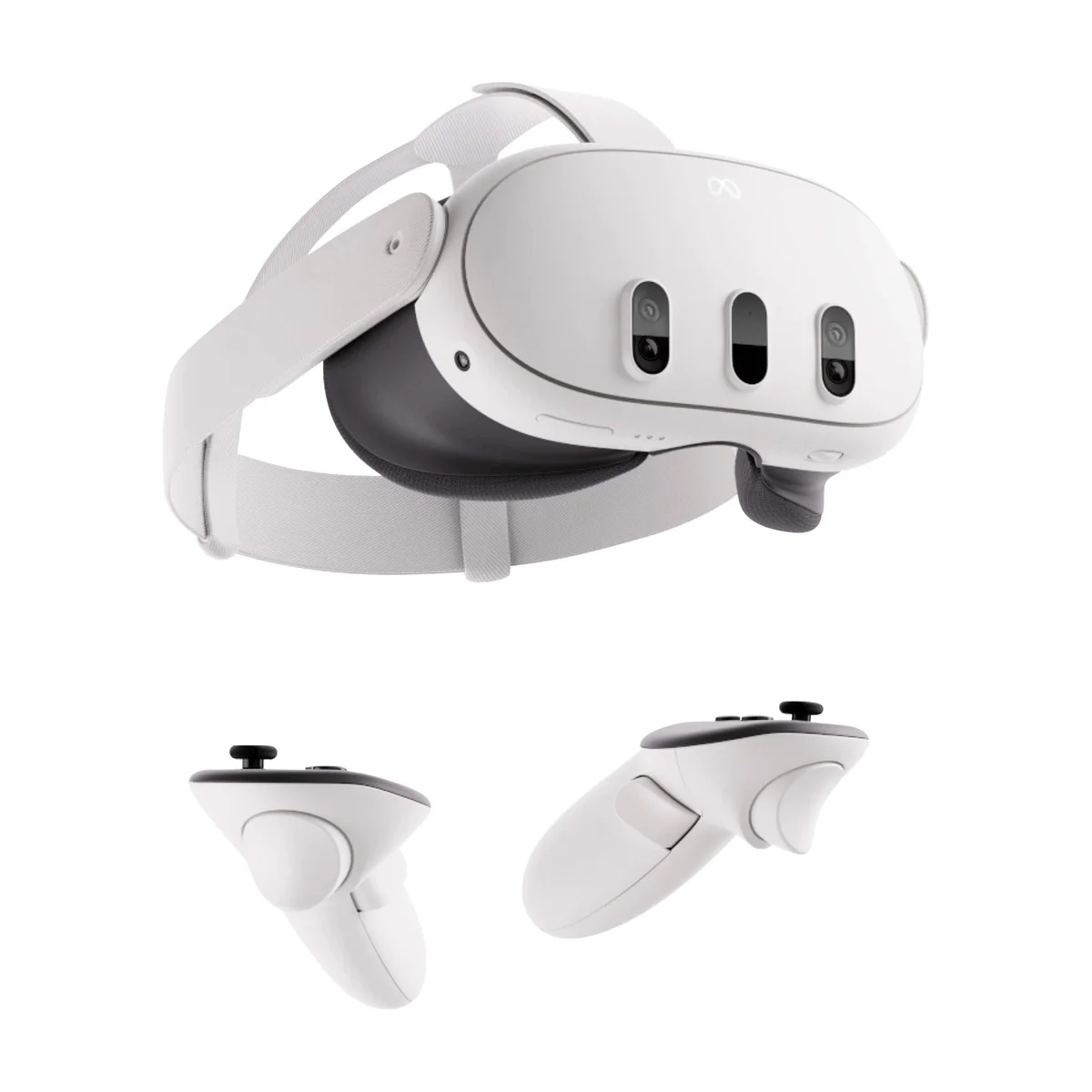
The Meta Quest 3 wins best value because it buys you a complete VR system with no hidden costs. Headset, pancake lenses, Touch Plus controllers, inside-out tracking: everything is in the box. Plug it in, run through setup, and you're playing in under ten minutes. No base stations to mount, no controllers to buy separately, no face scanning required.
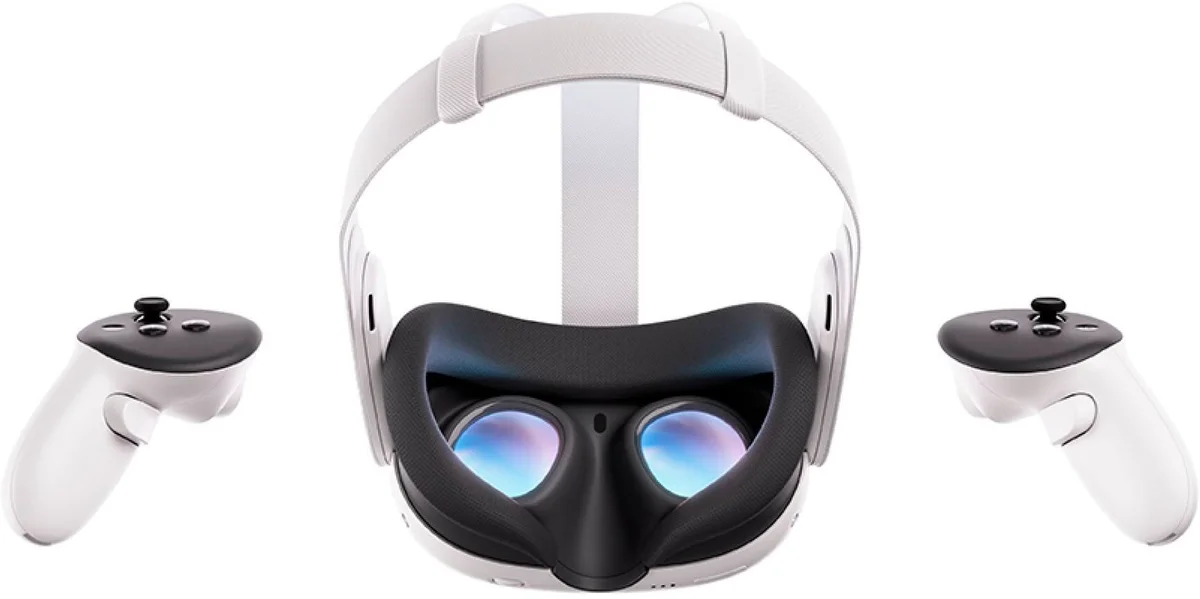
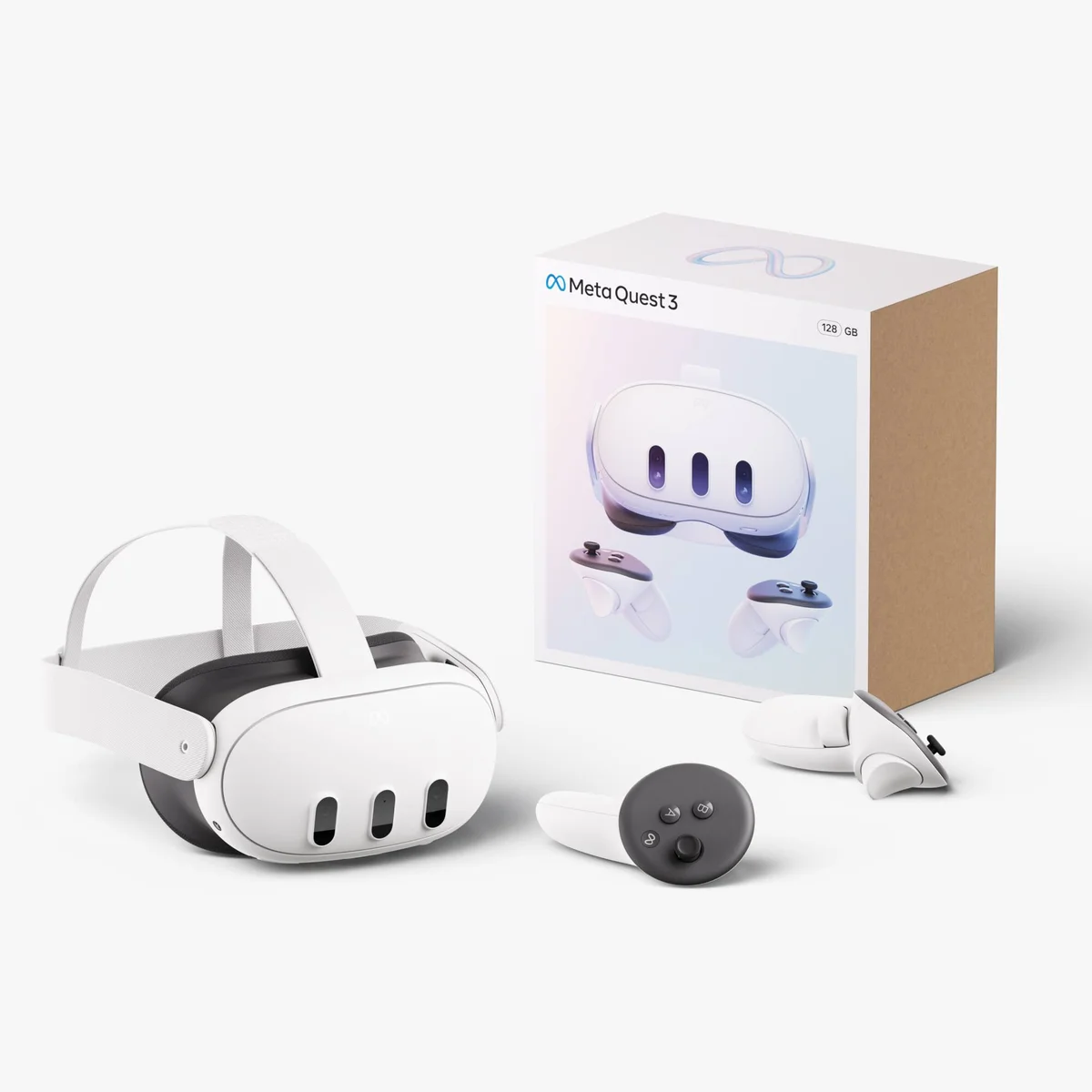
The pancake lenses are the key differentiator over cheaper alternatives. Naysy tested the Quest 3 against the Quest 3S side-by-side and called the edge-to-edge clarity upgrade impossible to unsee. Just!N Tech confirmed that the glare and god rays present on Fresnel lenses (Quest 3S, PSVR2) simply vanish with pancake optics, which matters during high-contrast scenes in any PC VR game.
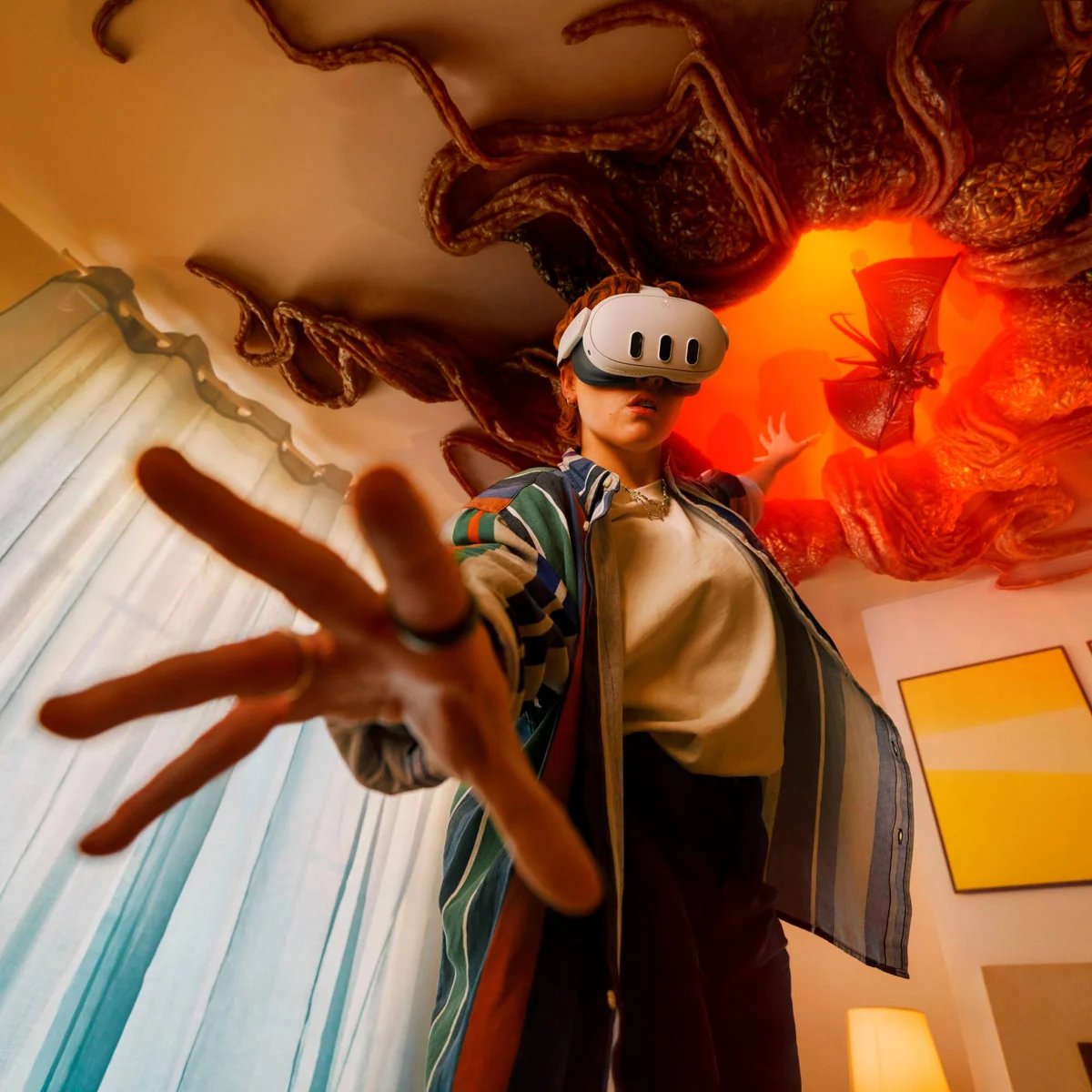
Versatility is the Quest 3's hidden weapon. VoodooDE and Matteo311 highlighted that it runs its own standalone library of 500+ games wirelessly, streams PC VR via Steam Link or Virtual Desktop over Wi-Fi, handles mixed reality with full-color pass-through cameras, and works as a fitness device. No other headset at any price covers that many use cases. The same single device works for a solo Half-Life: Alyx session, a family Beat Saber night, and a morning workout in Supernatural.
For PC VR specifically, VRelity praised the wireless streaming quality through Steam Link as surprisingly close to a wired connection for most games, with only a slight compression penalty visible in extremely detailed cockpit views.
What It Won't Do
The stock fabric strap is genuinely terrible. VoodooDE called it front-heavy and uncomfortable after 30 minutes, and 6 Months Later agreed that a third-party rigid strap is effectively mandatory. Battery life is 2 to 2.5 hours, dropping faster during PC VR streaming, so budget for a battery strap if you play long sessions. The LCD panels produce acceptable blacks for most games, but Optimum and Naysy both noted the contrast gap becomes painfully obvious in dark scenes when compared to any OLED headset. VR Flight Sim Guy also flagged slightly imperfect binocular overlap that can cause eye strain during extended sessions.
Who Should Buy Which
Bigscreen Beyond 2
The lightest, sharpest dedicated PC VR headset money can buy
- Sim racers and flight sim pilots who spend 2+ hours seated in a virtual cockpit
- Buyers with a powerful gaming PC (RTX 4070+ recommended) and a DisplayPort output
- People who prioritize comfort above all else and hate the weight of traditional headsets
- Solo users who don't need to share the headset with family or friends
- Experienced VR users upgrading from a Quest 2, Index, or original Beyond who want endgame PCVR quality
Meta Quest 3
The all-in-one headset that does everything well enough to be your only VR device
- First or second VR headset buyers who want one device for everything: standalone, PC VR, fitness, social
- Families or households where multiple people use the same headset
- Gamers who play a mix of room-scale (Beat Saber, Blade & Sorcery) and seated (sims, strategy) VR
- Buyers who want wireless PC VR without mounting base stations or running cables across the room
- Anyone on a tight budget who still wants pancake lens clarity