The Bigscreen Beyond 2 meets
the Meta Quest 3
The lightest, sharpest dedicated PC VR headset money can buy. We tested it head-to-head against the Meta Quest 3 across 8 key dimensions.
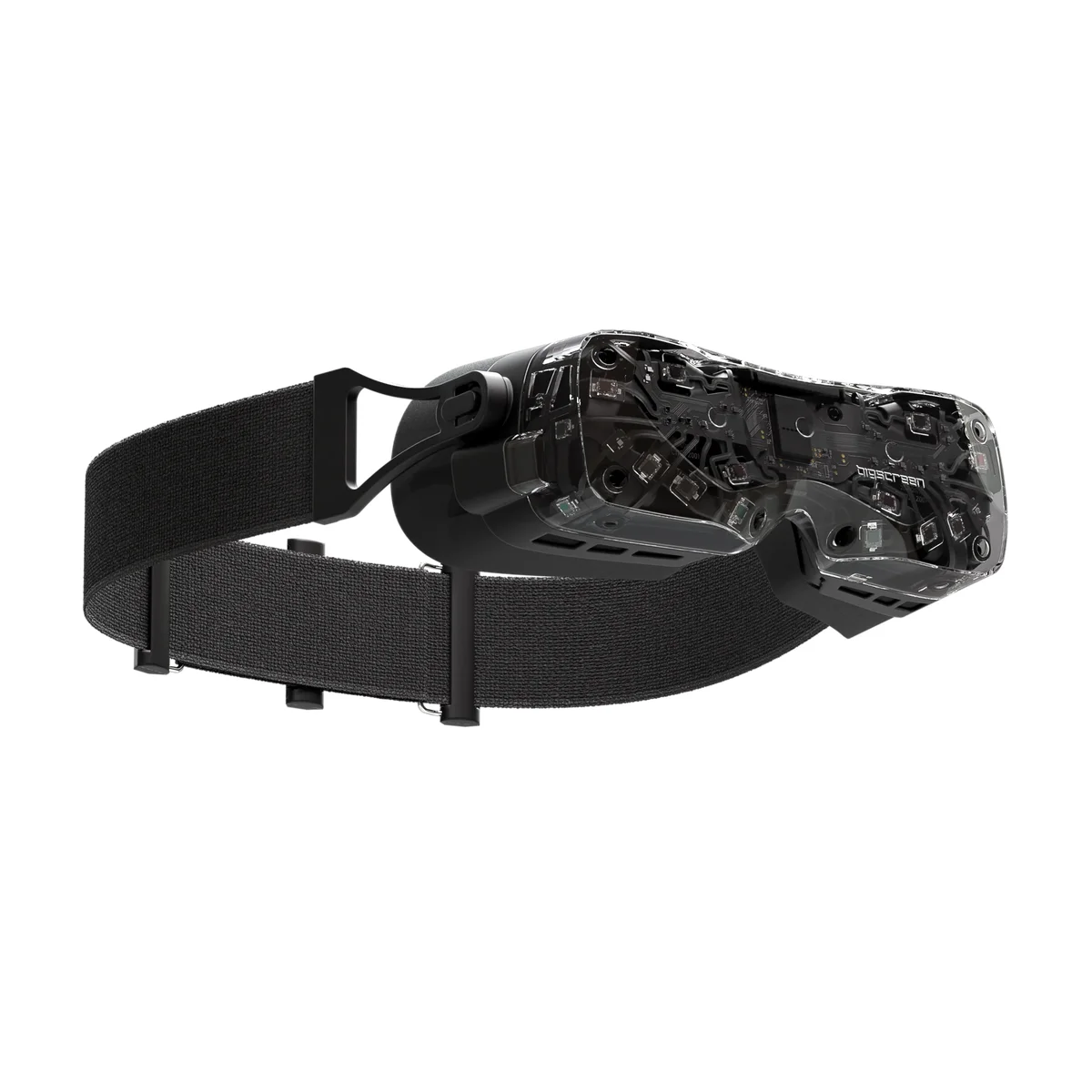
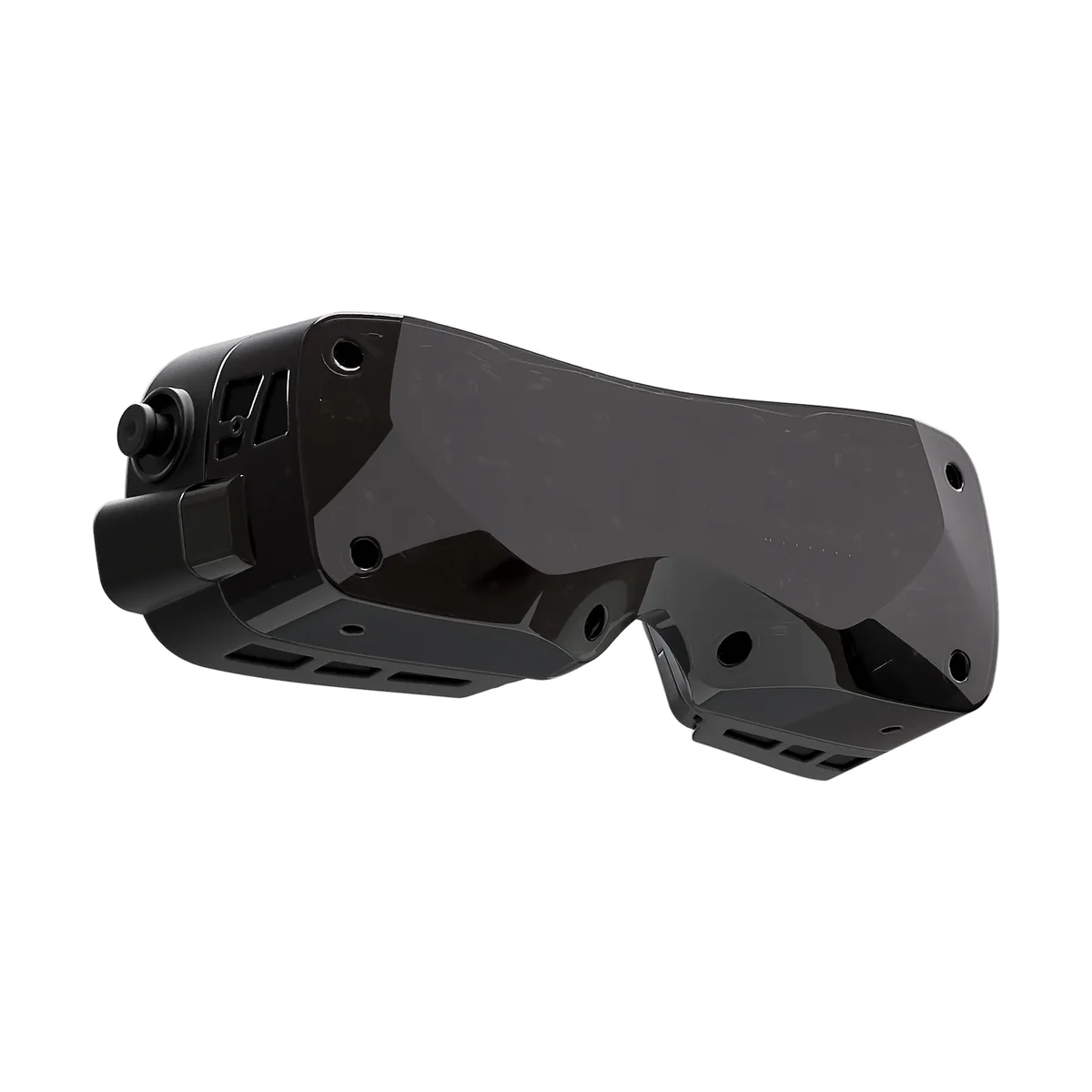
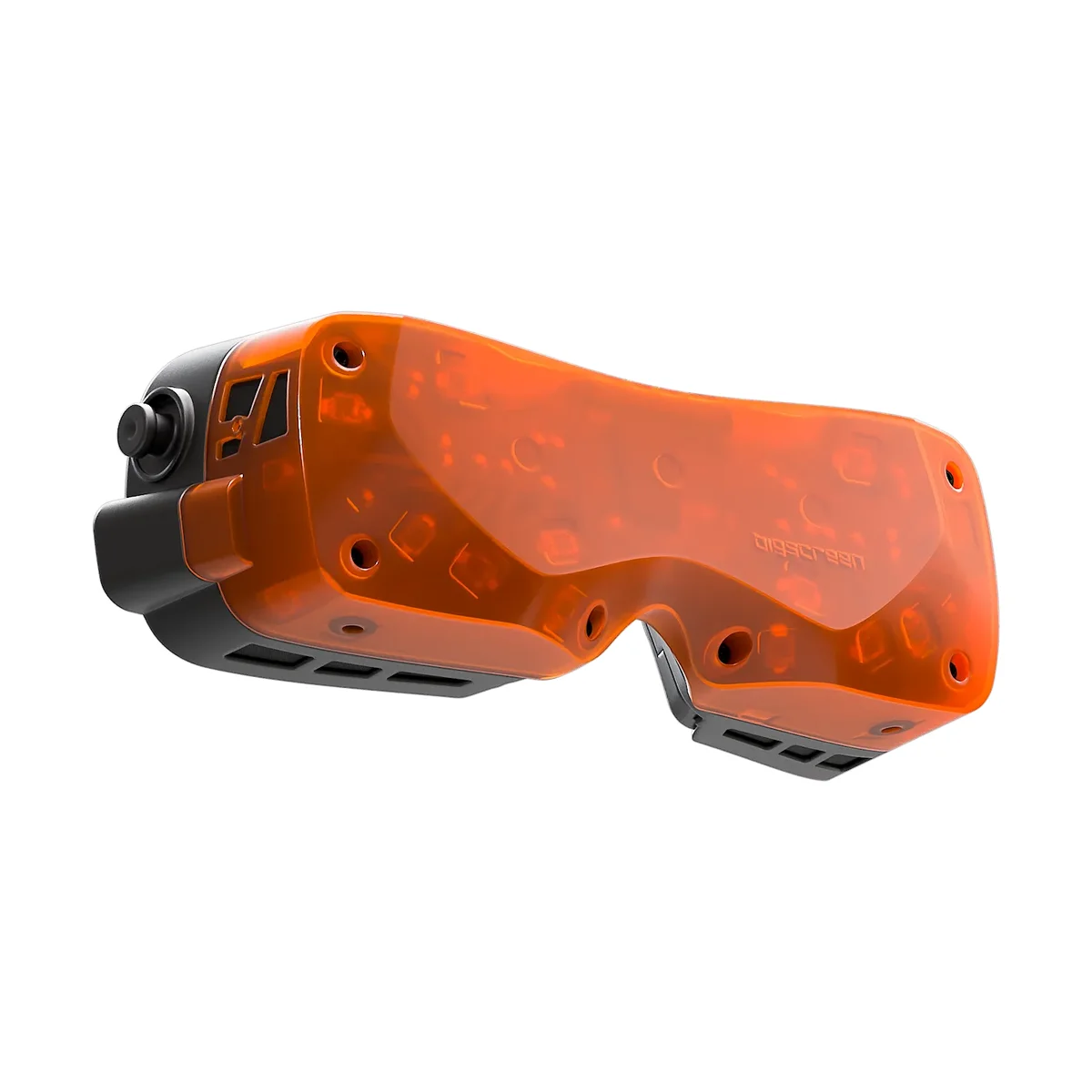
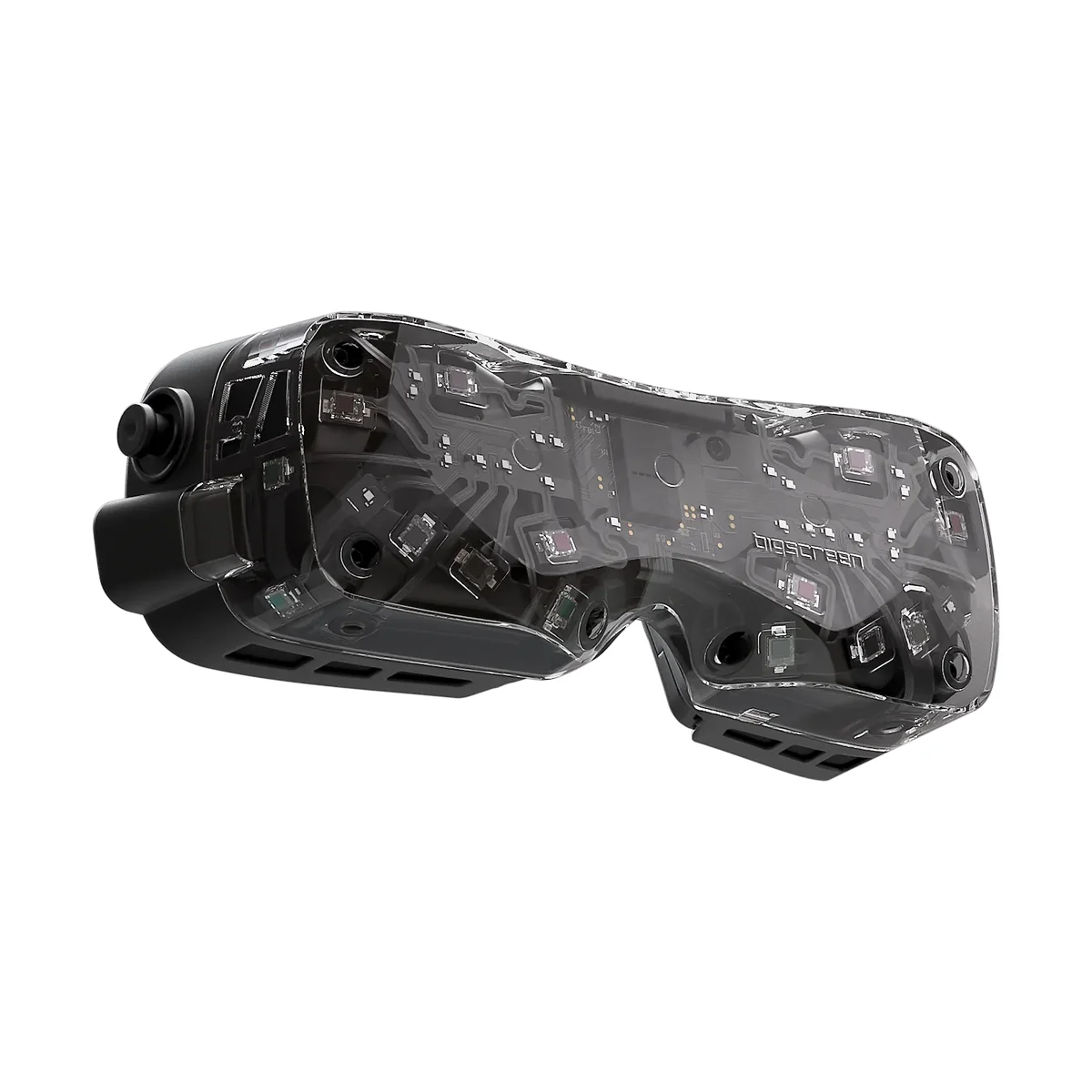
Bigscreen Beyond 2
“The lightest, sharpest dedicated PC VR headset money can buy”
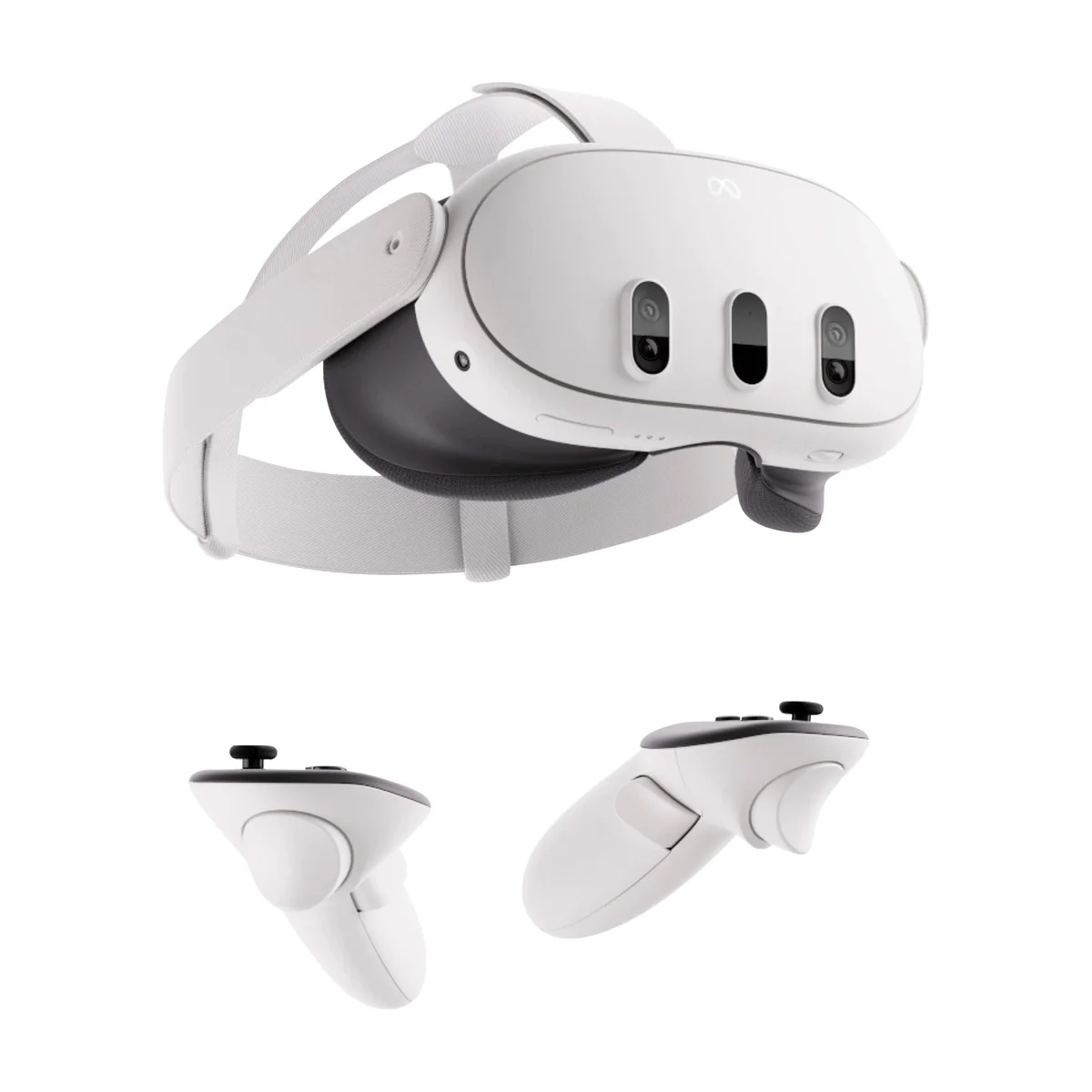
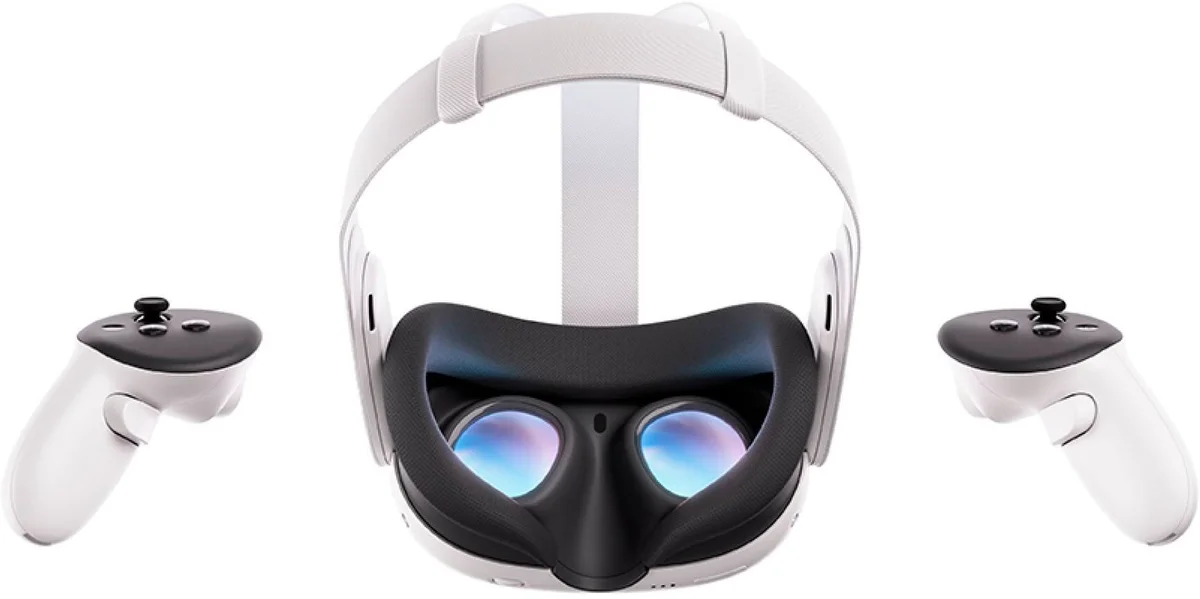
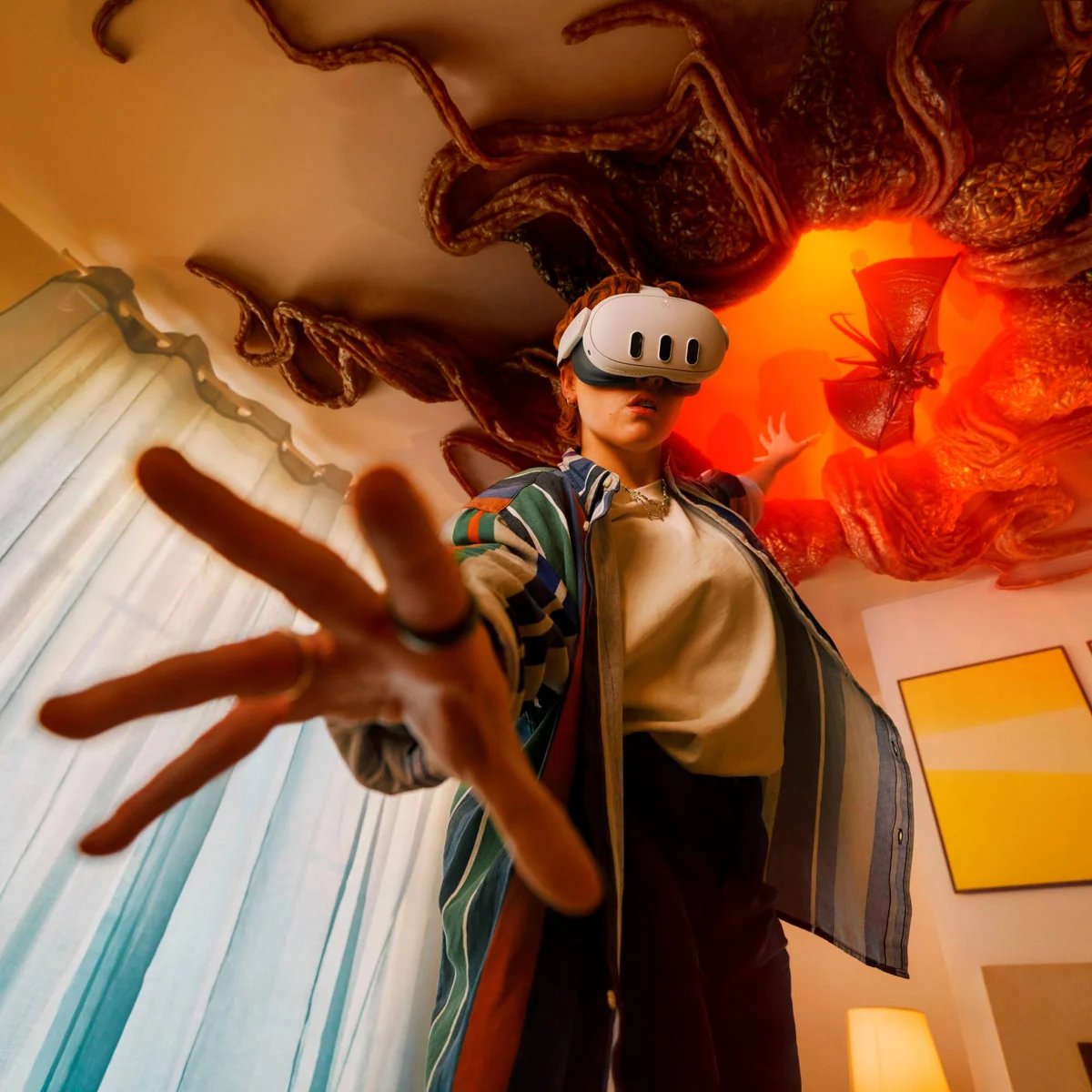
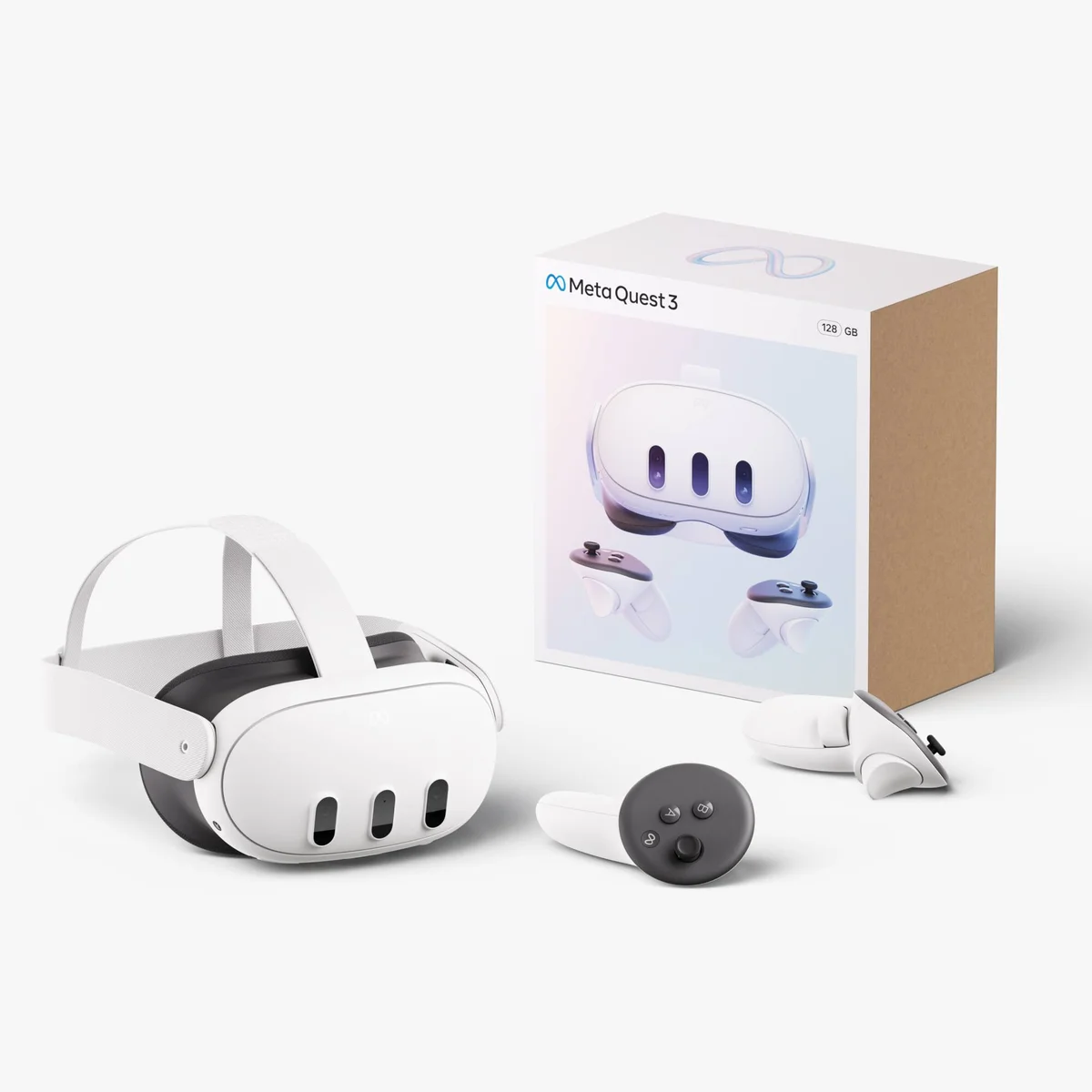
Meta Quest 3
“The all-in-one headset that does everything well enough to be your only VR device”
Head-to-Head Breakdown
Strengths & Weaknesses
Bigscreen Beyond 2
- At 107g, it disappears on your face during multi-hour sim sessions (Optimum, Adam Savage's Tested)
- Micro-OLED displays produce true blacks that make LCD headsets feel washed out (Ryan Clifford)
- Completely redesigned pancake lenses eliminate the severe glare and tiny sweet spot of the original Beyond (Linus Tech Tips, Optimum)
- Custom 3D-scanned face cushion means zero light leak and perfect fit for your specific face shape
- Total system cost hits $1,500-1,700 once you add base stations, Index controllers, and the audio strap (Linus Tech Tips)
- 75Hz native refresh rate with noticeable persistence/ghosting at 100% brightness during fast head movements (Ryan Clifford, Optimum)
- Zero pass-through cameras make it impossible to find your keyboard or grab a drink without removing the headset (Linus Tech Tips)
- Custom face cushion is molded to your face only, making it difficult to share with friends or family
Meta Quest 3
- Pancake lenses deliver edge-to-edge clarity with minimal glare, a massive upgrade over Fresnel alternatives (Naysy, Just!N Tech)
- Wireless PC VR streaming via Steam Link or Virtual Desktop plus a standalone library of 500+ games means you never need a cable (VoodooDE, Matteo311)
- Everything in the box for $499: headset, controllers, inside-out tracking. No base stations or extra purchases required (Foremost Picks)
- Full-color pass-through cameras enable mixed reality and make it easy to find your real-world surroundings (VRelity)
- Stock fabric strap is front-heavy and uncomfortable. Budget an extra $40-60 for a BoboVR or Meta Elite strap (VoodooDE, 6 Months Later)
- Battery lasts only 2-2.5 hours and drains faster during PC VR streaming (Foremost Picks, VoodooDE)
- LCD panels cannot produce the deep blacks and rich contrast of OLED headsets like the PSVR2 or Bigscreen Beyond (Optimum, Naysy)
- Binocular overlap is slightly imperfect, occasionally causing eye strain during long sessions (VR Flight Sim Guy)
The Verdict
Our Bottom Line
The Bigscreen Beyond 2 wins because it solves the two hardest problems in PC VR at the same time: visual quality and comfort. At 107 grams, it weighs less than most smartphones. Optimum wore it for three-hour iRacing stints and reported zero face pressure or neck fatigue, a claim no other headset in this lineup can match. Ryan Clifford used a dedicated FOV-testing app and measured 104 degrees horizontal, beating the Quest 3's effective horizontal coverage.
Bigscreen Beyond 2
The Bigscreen Beyond 2 wins because it solves the two hardest problems in PC VR at the same time: visual quality and comfort. At 107 grams, it weighs less than most smartphones. Optimum wore it for three-hour iRacing stints and reported zero face pressure or neck fatigue, a claim no other headset in this lineup can match. Ryan Clifford used a dedicated FOV-testing app and measured 104 degrees horizontal, beating the Quest 3's effective horizontal coverage.
- Sim racers and flight sim pilots who spend 2+ hours seated in a virtual cockpit
- Buyers with a powerful gaming PC (RTX 4070+ recommended) and a DisplayPort output
- People who prioritize comfort above all else and hate the weight of traditional headsets
- Solo users who don't need to share the headset with family or friends
- Experienced VR users upgrading from a Quest 2, Index, or original Beyond who want endgame PCVR quality
Meta Quest 3
The Meta Quest 3 wins best value because it buys you a complete VR system with no hidden costs. Headset, pancake lenses, Touch Plus controllers, inside-out tracking: everything is in the box. Plug it in, run through setup, and you're playing in under ten minutes. No base stations to mount, no controllers to buy separately, no face scanning required.
- First or second VR headset buyers who want one device for everything: standalone, PC VR, fitness, social
- Families or households where multiple people use the same headset
- Gamers who play a mix of room-scale (Beat Saber, Blade & Sorcery) and seated (sims, strategy) VR
- Buyers who want wireless PC VR without mounting base stations or running cables across the room
- Anyone on a tight budget who still wants pancake lens clarity