The Best Vegan Yogurt
Verified by
 Ryan V. Editor-in-Chief
When you purchase through links on our site, we may earn an affiliate commission.
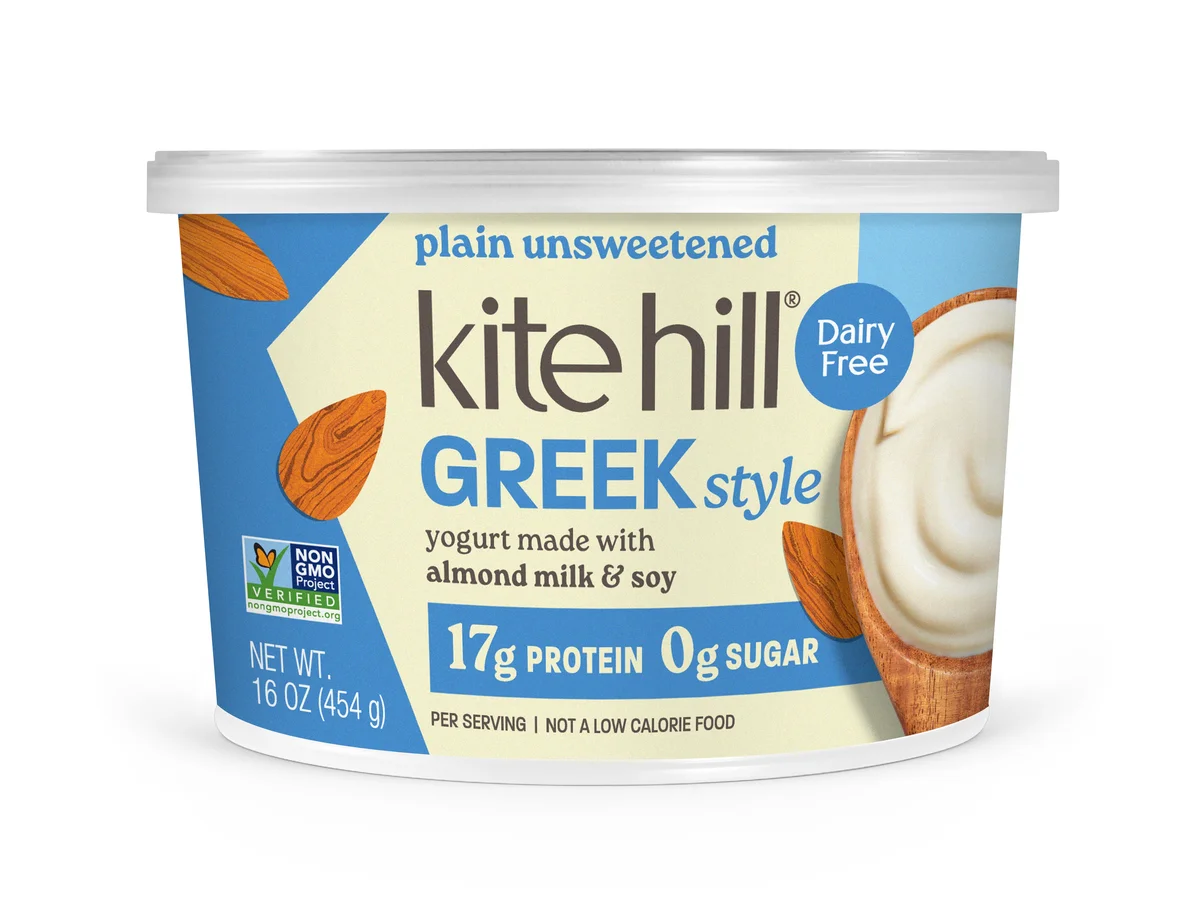
Kite Hill won because it solved the two problems that sink most vegan yogurts: protein and texture. The Greek-style plain hits 17g protein per serving, which is competitive with dairy Greek yogurt and leagues ahead of the 1-2g you get from coconut-based competitors. That matters. Half the people buying yogurt are eating it for the protein.

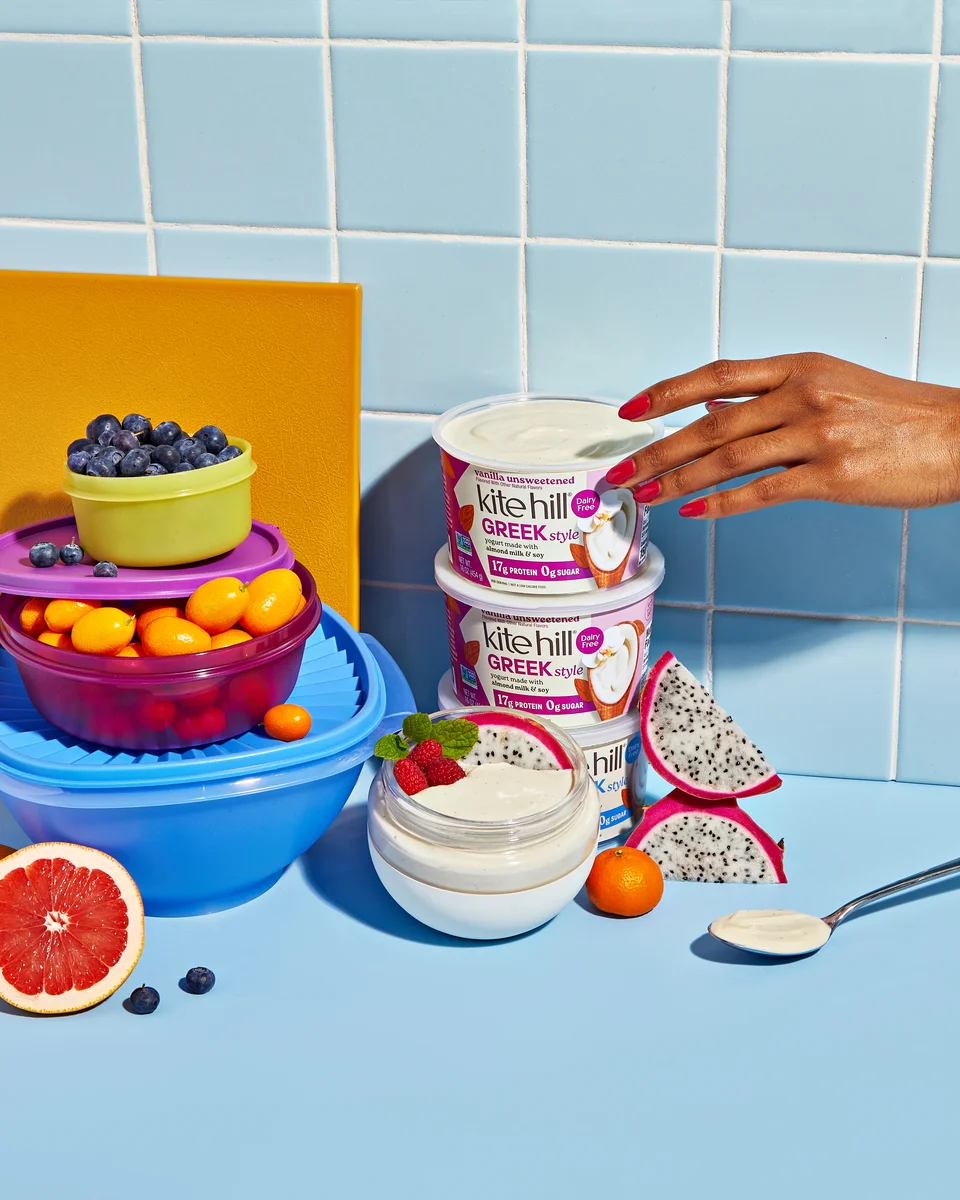
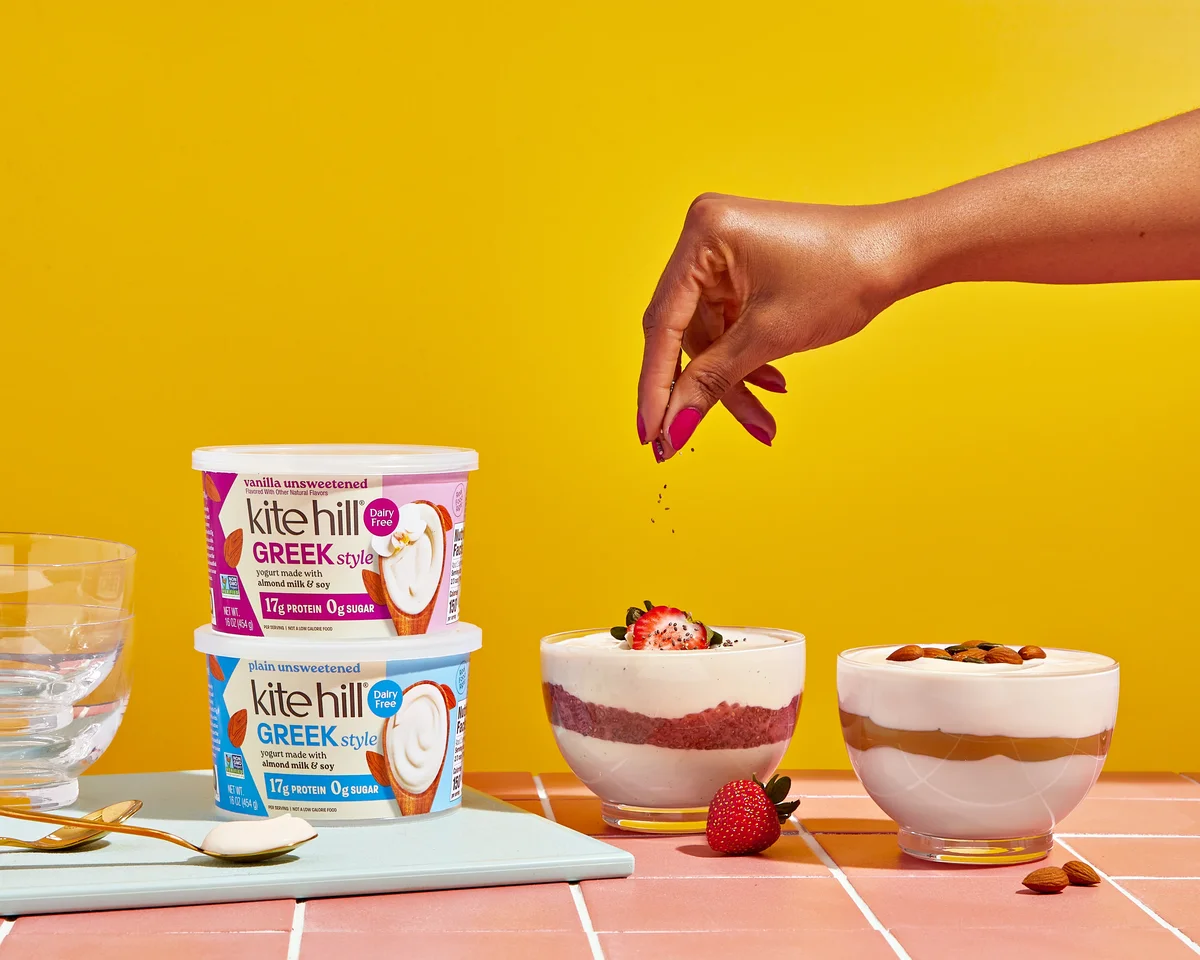
Texture is where Kite Hill pulled away from the pack. Making Thyme for Health scored it 9/10 for texture (tied for highest in their test of 8 brands). HealthyHappyLife named it their overall favorite across every category they tested: Greek-style, almond-based, plain, and culinary. The VegNews editorial team chose it as their Editors' Pick for 2025, overriding the consumer vote that went to Forager. When editors pick a different winner than consumers, it usually means the product performs better in direct comparison than its brand recognition suggests.
The almond milk base keeps saturated fat low. CSPI, the nutrition watchdog group, specifically called out coconut yogurts for hitting 10-21g saturated fat per serving (compared to 5g in whole-milk dairy yogurt). Kite Hill sidesteps that entirely.
At ~$6.99 for a 16oz tub, it's not the cheapest option. But it's not the most expensive either, and the protein content means you're getting a real meal component, not just a snack.
What It Won't Do
Quality control across the Kite Hill product line is inconsistent. Eleat's dietitian panel gave the Greek-style strong marks but found the regular (non-Greek) version's texture 'unpleasant.' If you grab the wrong tub at the store, you might have a completely different experience than what earned it this recommendation. Stick to the Greek-style specifically. The base is almond milk and soy, which means it contains both tree nuts and soy. That eliminates it for anyone with either allergy. And at ~$5.49/16oz vs Silk's ~$3.99/24oz, you're paying more per ounce for less product.
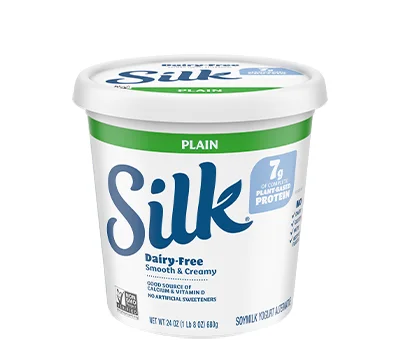
Silk won the value pick because no other vegan yogurt delivers this much nutrition for this little money. At ~$3.99 for 24oz, it costs roughly 40% less per ounce than Kite Hill. The soy base gives it 7g protein per serving (triple what coconut yogurts offer) and 15% DV calcium. CSPI named it their top nutritional recommendation for plant-based yogurt, specifically praising the soy version's balance of protein, calcium, and low added sugar in the plain variety (just 4g).


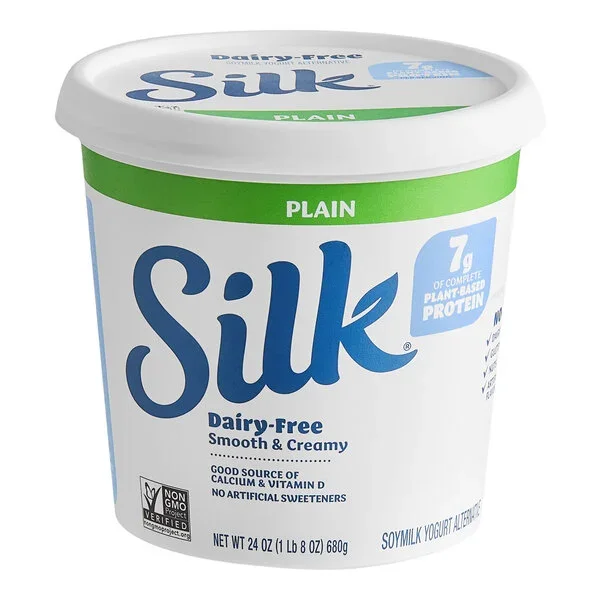
VegNews readers voted it #2 overall in 2025, behind Forager but ahead of So Delicious. That's a consumer poll of thousands of actual vegan yogurt buyers.
Sporked's taste panel was 'genuinely surprised it was dairy-free.' The soy base produces the most dairy-like texture and tang of any plant base, per both Sporked and CSPI. If you closed your eyes, the mango flavor could pass for conventional yogurt.
Silk is a B Corp, available at literally every grocery store in America, and owned by Danone, which means supply is never an issue. For a product you buy every week, that reliability matters.
What It Won't Do
The ingredient list is the problem. Milk Free Mom declined to recommend Silk entirely, citing additives that premium brands like Kite Hill and Forager don't use. The flavored versions are particularly bad: Making Thyme scored vanilla just 6/10 for taste and flagged 16g sugar per serving. You need to specifically buy the plain or unsweetened soy version to get the product CSPI recommended. The soy base is also a non-starter for people with soy allergies or those avoiding soy for personal reasons.
Who Should Buy Which
Kite Hill Greek-Style Plain Almond Milk Yogurt
The one that actually tastes like Greek yogurt
- You want plant-based yogurt that actually beats dairy Greek yogurt on protein (17g vs the typical 12-15g)
- Texture is your top priority, and you've been disappointed by thin, grainy, or gummy vegan yogurts before
- You're willing to pay a premium ($5.49/16oz) for the closest thing to dairy yogurt currently available
- You eat yogurt as a meal component (bowls, smoothies, savory cooking) rather than just a snack
- Low saturated fat matters to you, ruling out coconut-based options
Silk Dairy-Free Soymilk Yogurt Alternative
Six grams of protein for under two bucks
- You buy yogurt weekly and price adds up: Silk saves you roughly $78/year over Kite Hill at one tub per week
- You want solid protein (6g) and calcium (15% DV) without paying premium prices
- You need something available at any grocery store, not just Whole Foods or natural food chains
- You prefer the familiar tang of soy-based yogurt, which multiple reviewers called the closest to dairy
- B Corp certification and corporate responsibility factor into your purchasing decisions