The Best Microphones
Verified by
 Ryan V. Editor-in-Chief
When you purchase through links on our site, we may earn an affiliate commission.
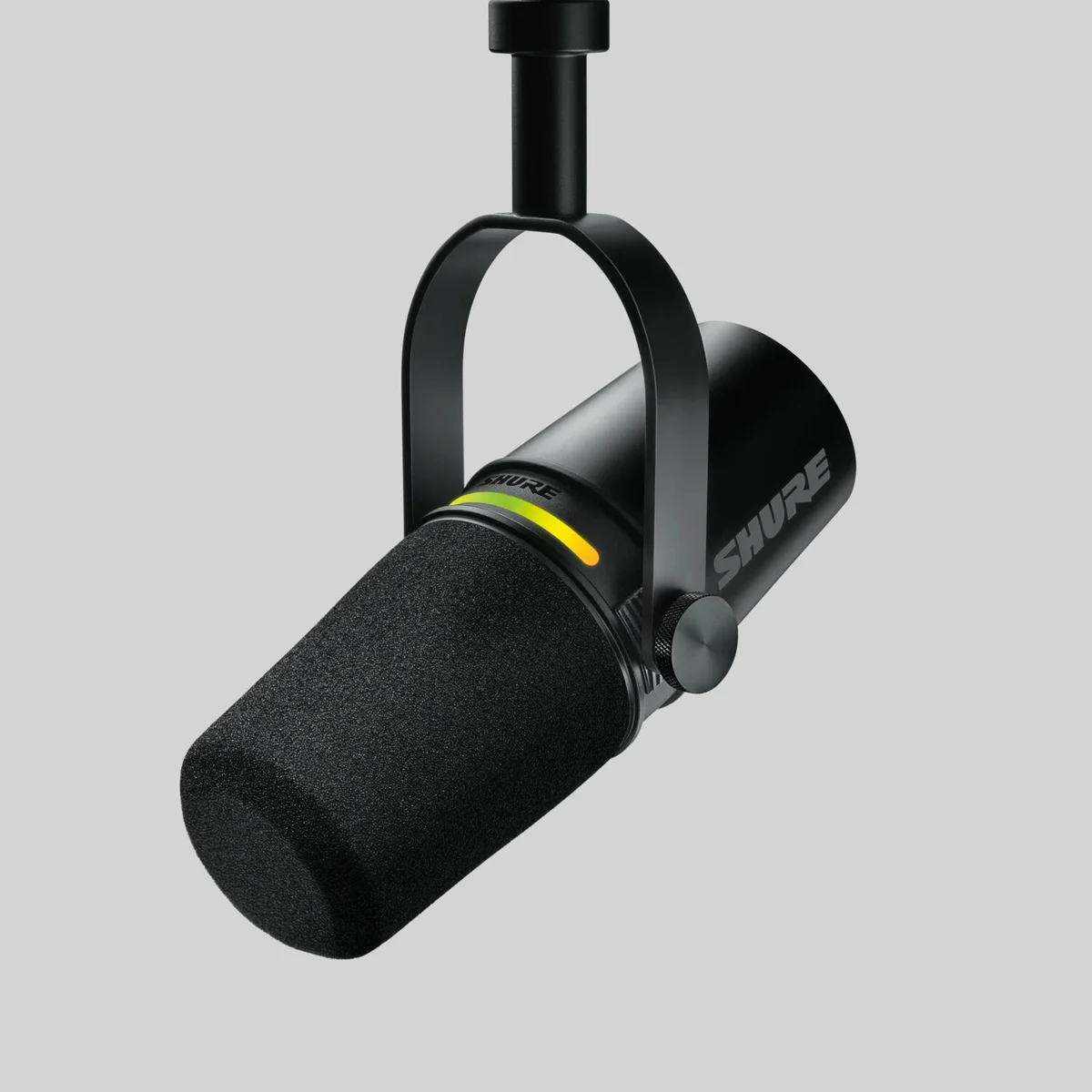
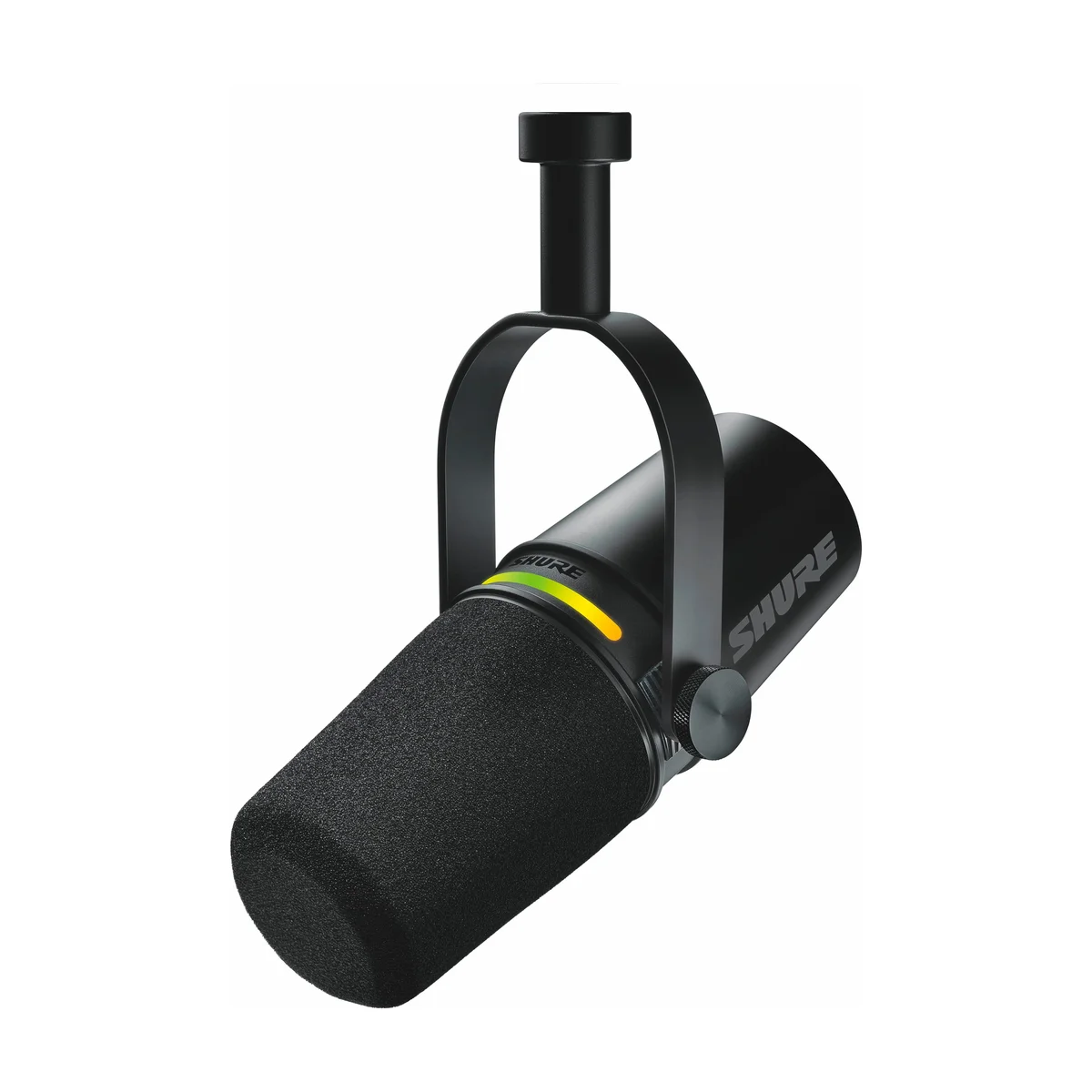
The Shure MV7+ won because it solves the actual problem most podcasters and streamers face: recording in a room that sounds terrible. Riverside tested it against simulated cafe noise and found it rejected nearly all of it. Nick Kendall recorded with live construction happening outside his window, and the MV7+ blocked it out so completely you'd never know. That noise rejection alone would be enough, but the Shure Motive app pushes it further. SemiPro Tech+Gear walked through every DSP feature: real-time denoiser, plosive reducer, limiter, tone shaping, all accessible from your phone or desktop. You're getting studio post-production processing baked into a $299 USB mic.
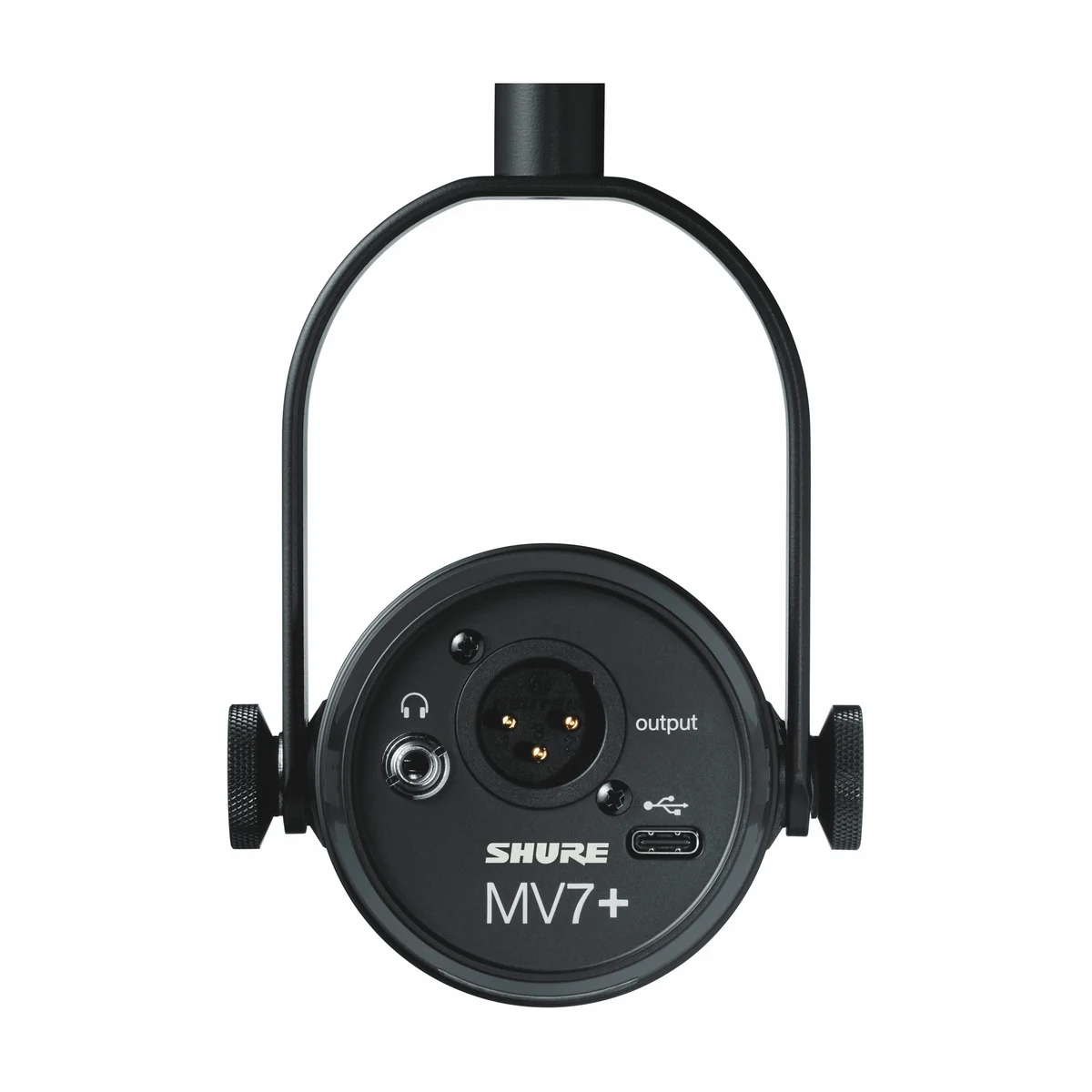
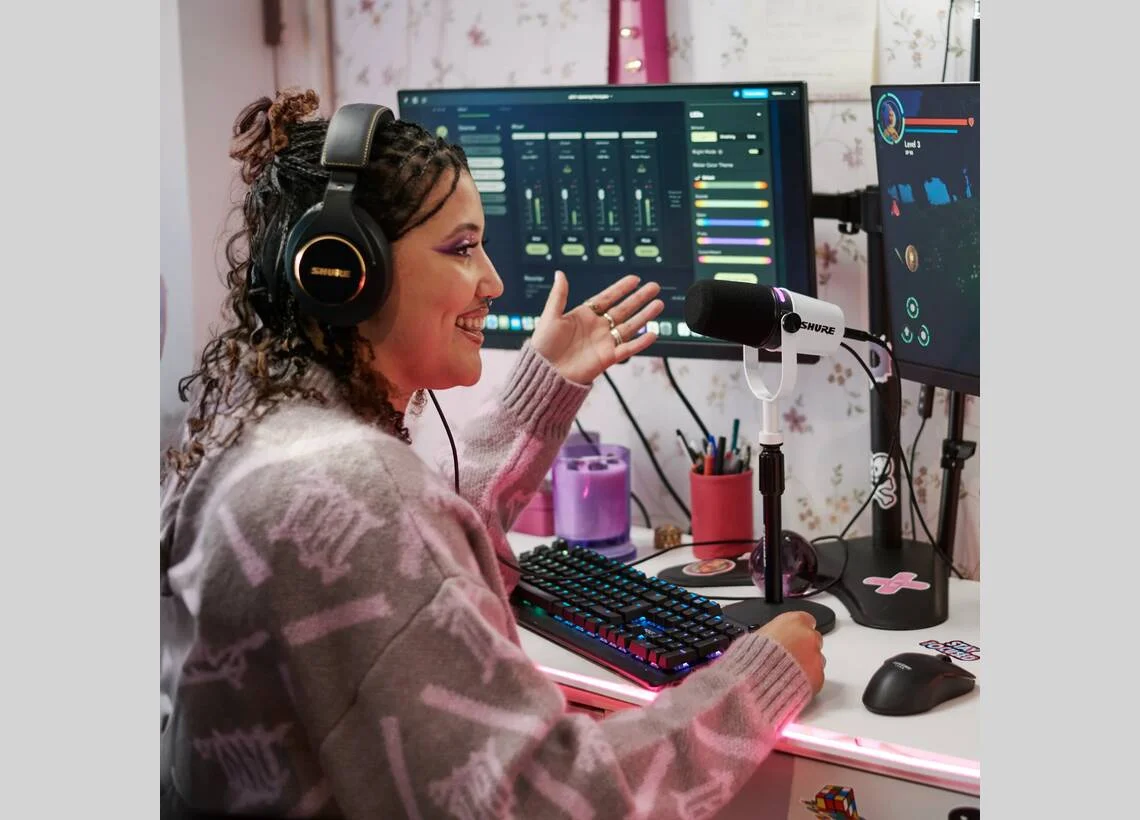
The dual USB-C and XLR connectivity means this mic grows with you. Plug it into your laptop on day one, then connect it to a Rodecaster or audio interface two years later without buying a new microphone. Riverside called this flexibility a major selling point for creators who don't yet know how far they'll take their setup.
Andrew Chapman Creative wasn't blown away, placing it in his "it'll work" tier and calling the raw sound unexceptional compared to dedicated XLR mics at the same price. That criticism is fair: if you're chasing pure analog warmth, the SM7B or even the Rode PodMic delivers more. The MV7+ trades some of that audiophile ceiling for convenience and noise handling that no competitor matches in this price bracket. For the 90% of creators recording in bedrooms, home offices, and apartments with thin walls, that trade-off is correct.
The touch panel on top looks sharp on camera but Nick Kendall found it "finicky to use" compared to physical knobs. Shure also skips the stand entirely, so budget another $30-50 for a boom arm before you're recording. Those are real costs, but they don't change the core equation: the MV7+ produces cleaner audio in worse rooms than anything else under $400.
What It Won't Do
The MV7+ ships with nothing but a mic and a USB-C cable. No desk stand, no boom arm, no pop filter. Riverside flagged this as a real annoyance: you unbox a $299 microphone and can't even set it on your desk. Add a decent boom arm ($30-50), and your actual all-in cost is $330-350. Shure clearly expects you to own accessories already or buy them separately, which stings at this price point when the $79 Samson Q2U includes a desk stand, windscreen, and both cables in the box.
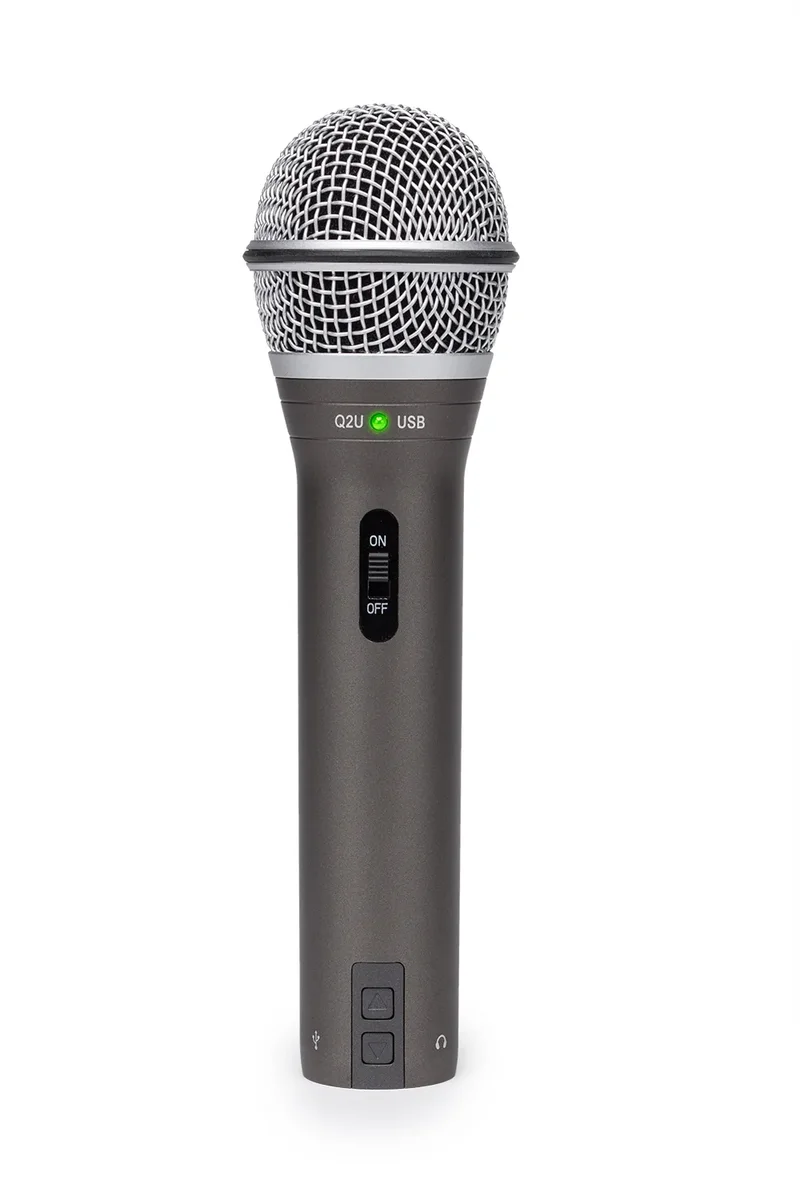
PSS Creative Media ran a blind audio comparison between the Samson Q2U and the Shure SM7B, the $400 mic that defined podcast audio for a decade. The Q2U held its own. That single test explains why this mic is the value pick: you get 80-90% of the sound quality of a mic that costs five times more.
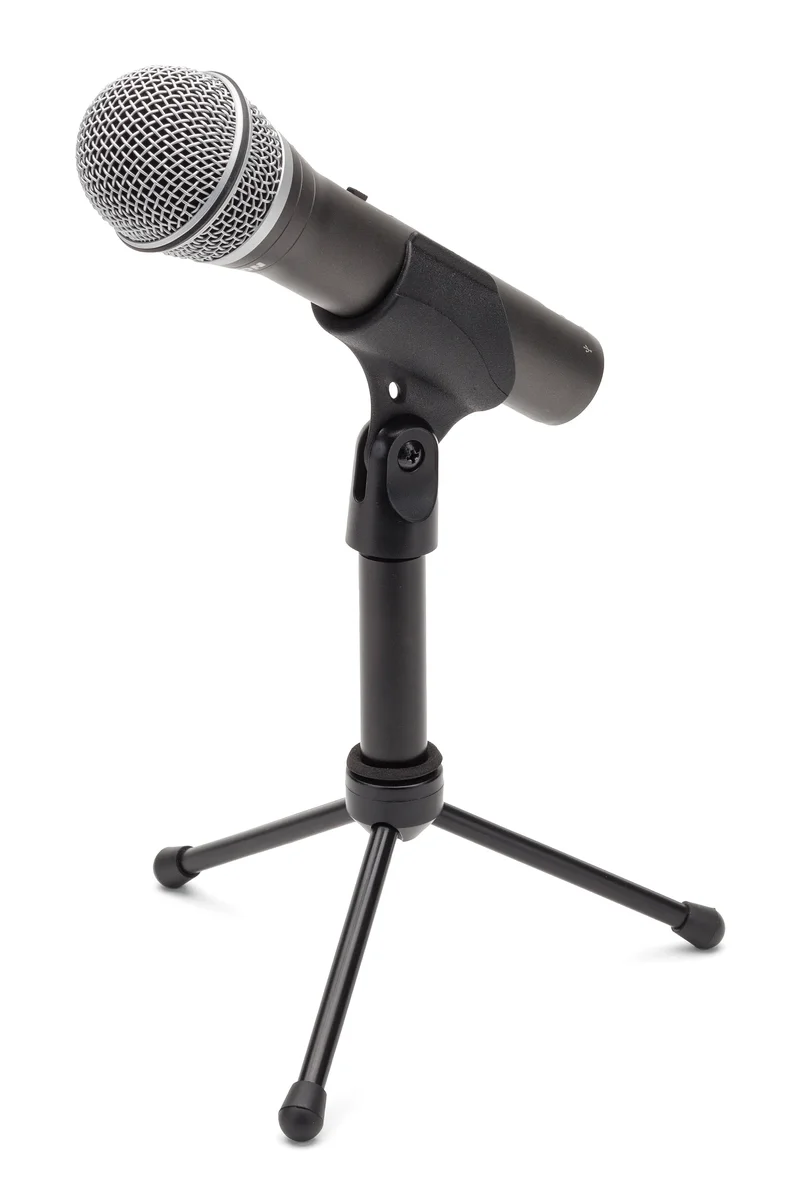
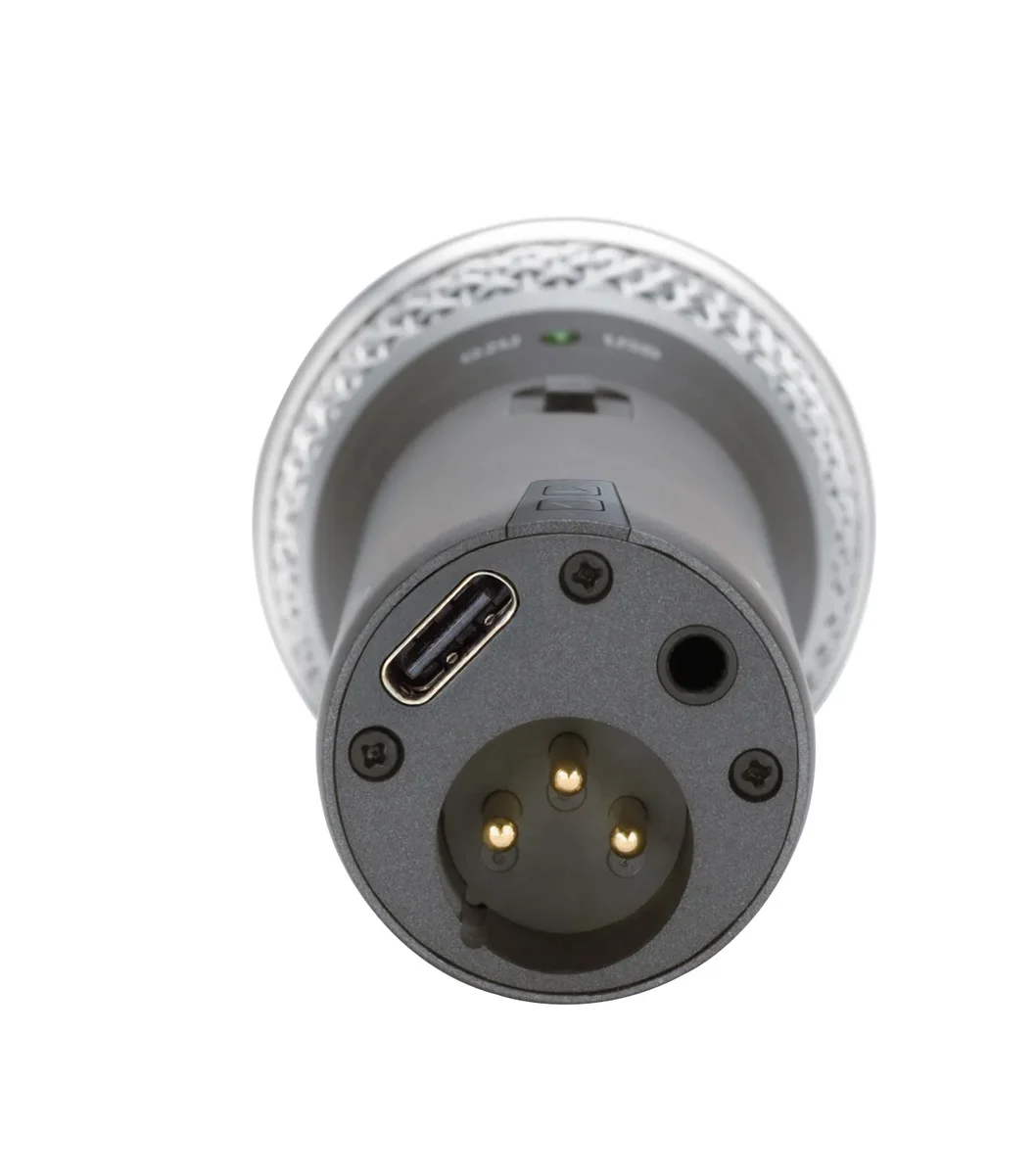
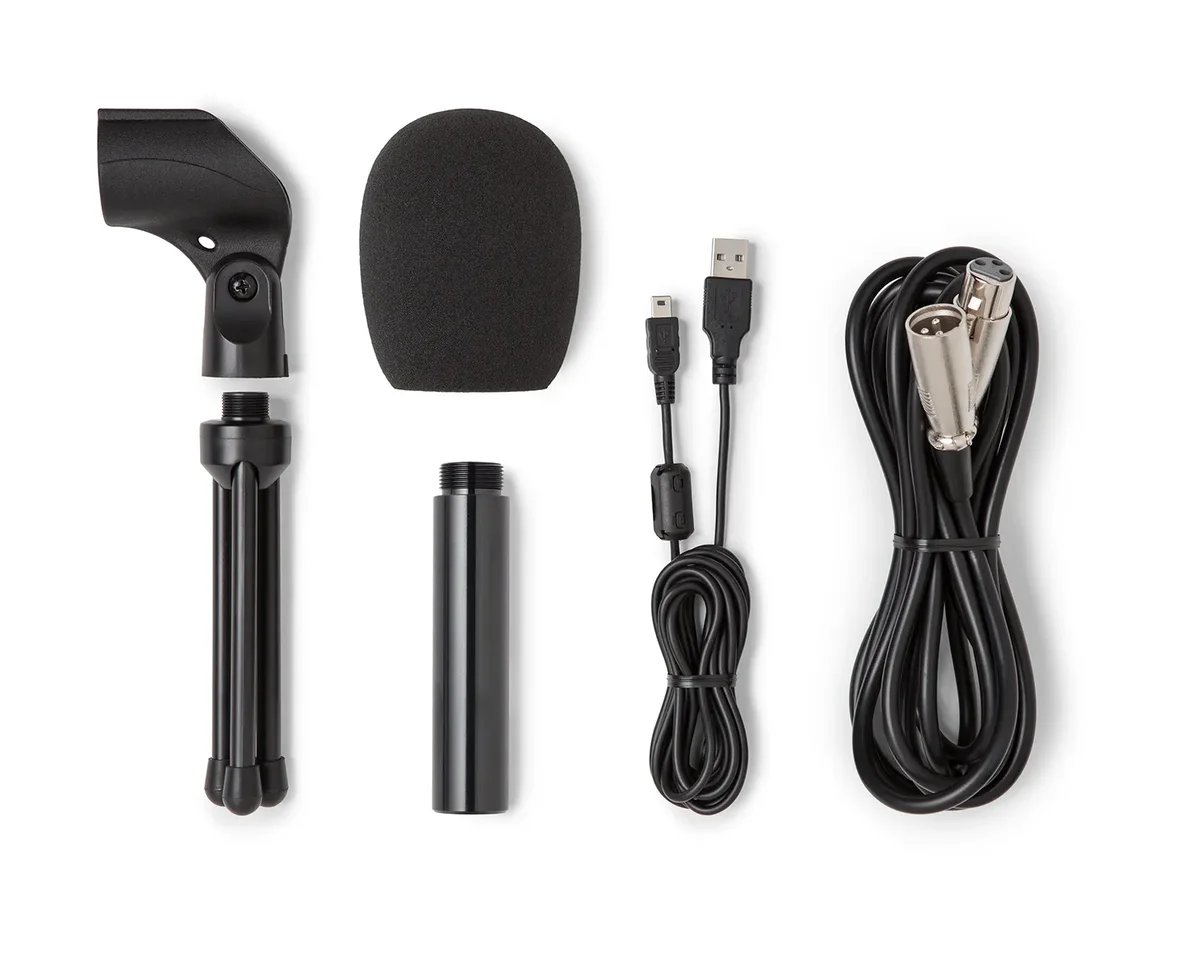
The Video Nerd highlighted something reviewers often overlook: the Q2U ships with a desk stand that actually positions the microphone at the right height and distance from your mouth. Most budget mic stands are useless accessories. This one works. Combined with the included USB cable, XLR cable, and windscreen, you open the box and start recording. Zero extra purchases.
Stream Scheme recommended the Q2U specifically for untreated rooms because the dynamic cardioid pattern naturally rejects side and rear noise. It won't match the MV7+'s active noise processing, but for a bedroom with a closed door, the Q2U captures your voice and not much else.
The honest weakness is the look. PSS Creative Media and The Video Nerd both noted it resembles a handheld stage microphone, not a sleek podcast mic. On a YouTube video or Twitch stream, the Q2U broadcasts "budget" in a way the MV7+ or Rode PodMic never would. If audio matters more than aesthetics to you, that's a non-issue. If you're building a visual brand, the Q2U's industrial design works against you.
What It Won't Do
Consumer Tech Review ran a keyboard typing test and the Q2U failed. Heavy keystrokes sent bassy vibrations straight through the included desk stand into the microphone. If you type during recordings or streams, you need to mount the Q2U on a boom arm with a shock mount, which adds $25-40 to your total cost and partially erodes the value proposition. Riverside also criticized the older mini-USB connector (newer production runs appear to ship with USB-C, but verify before buying).
Who Should Buy Which
Shure MV7+
The noise-killing podcaster's mic with studio DSP built in
- Podcasters recording in untreated rooms with ambient noise, HVAC, or thin walls
- Streamers who want clean audio without spending hours in post-production
- Creators who want one mic that handles USB now and XLR later
- Anyone who values built-in DSP (denoiser, limiter, plosive reducer) over raw analog sound
- Video podcasters who care about on-camera mic aesthetics
Samson Q2U
Blind-test competitive with the SM7B at a fifth of the price
- First-time podcasters on a strict budget who refuse to compromise on sound quality
- Audio-only podcasters where mic appearance doesn't matter
- Musicians or vocalists who want near-SM7B sound for demos and scratch tracks
- Beginners who want everything in the box with zero extra purchases needed
- Backup mic for travel recording or remote guest setups