The Shure MV7+ meets
the Samson Q2U
The noise-killing podcaster's mic with studio DSP built in. We tested it head-to-head against the Samson Q2U across 6 key dimensions.
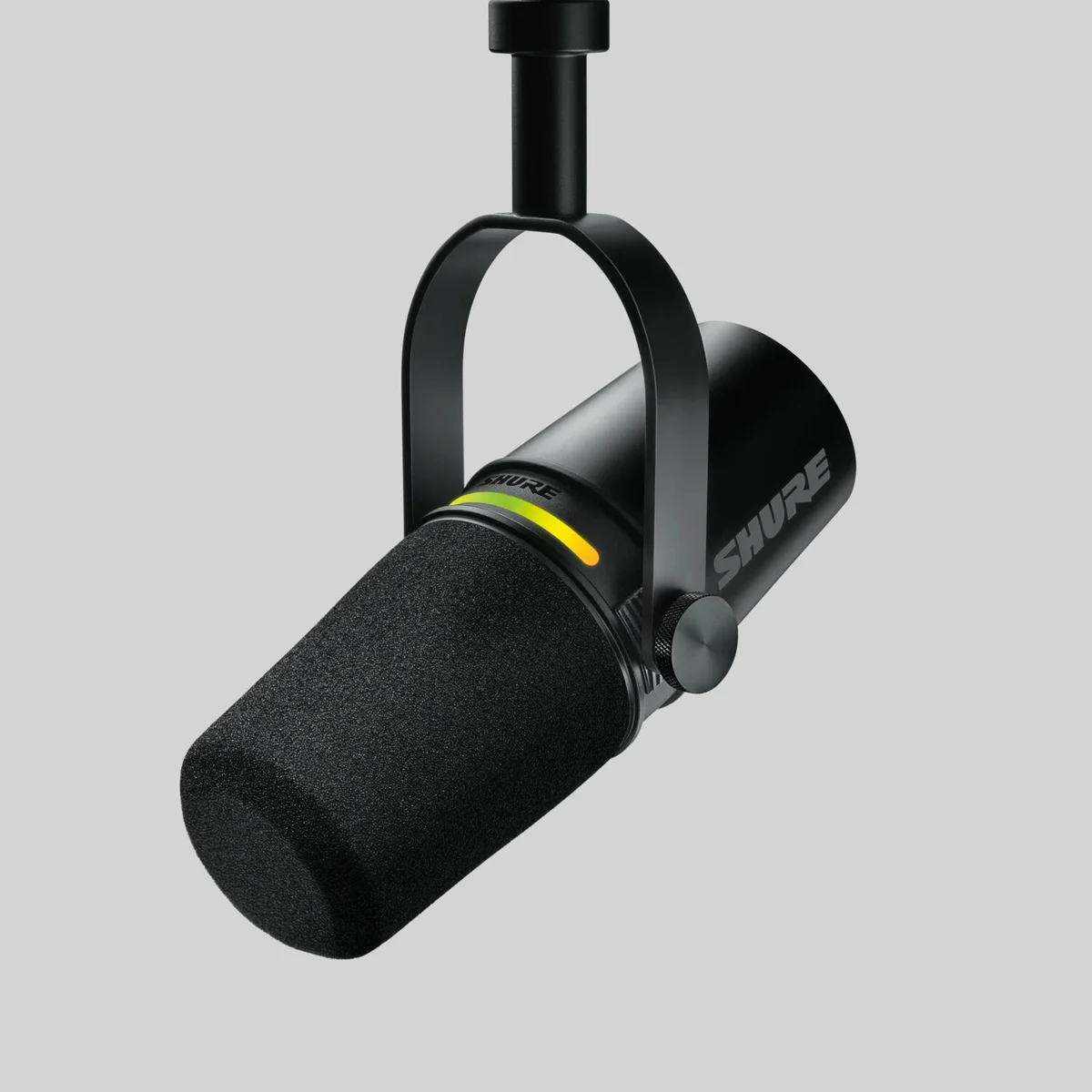
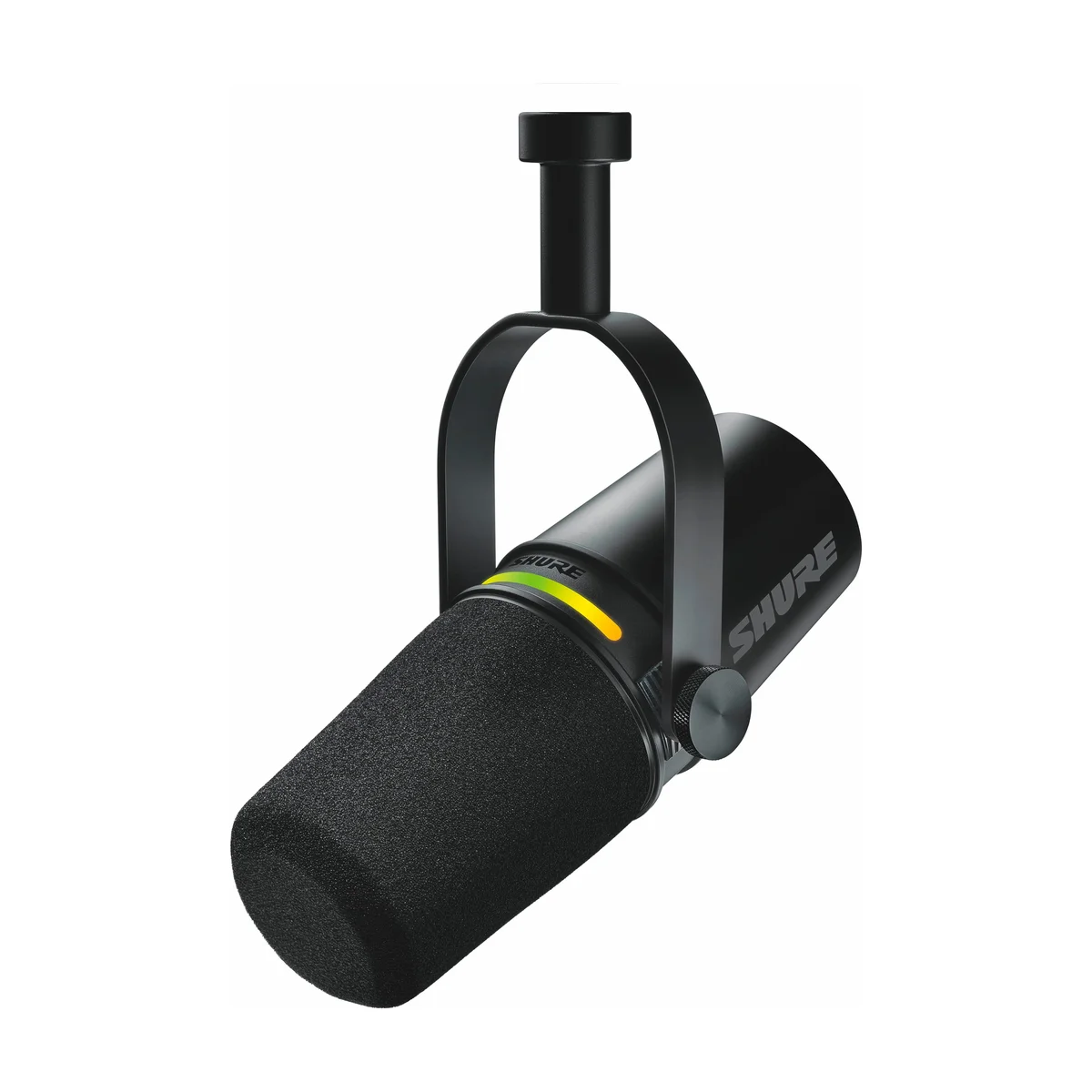
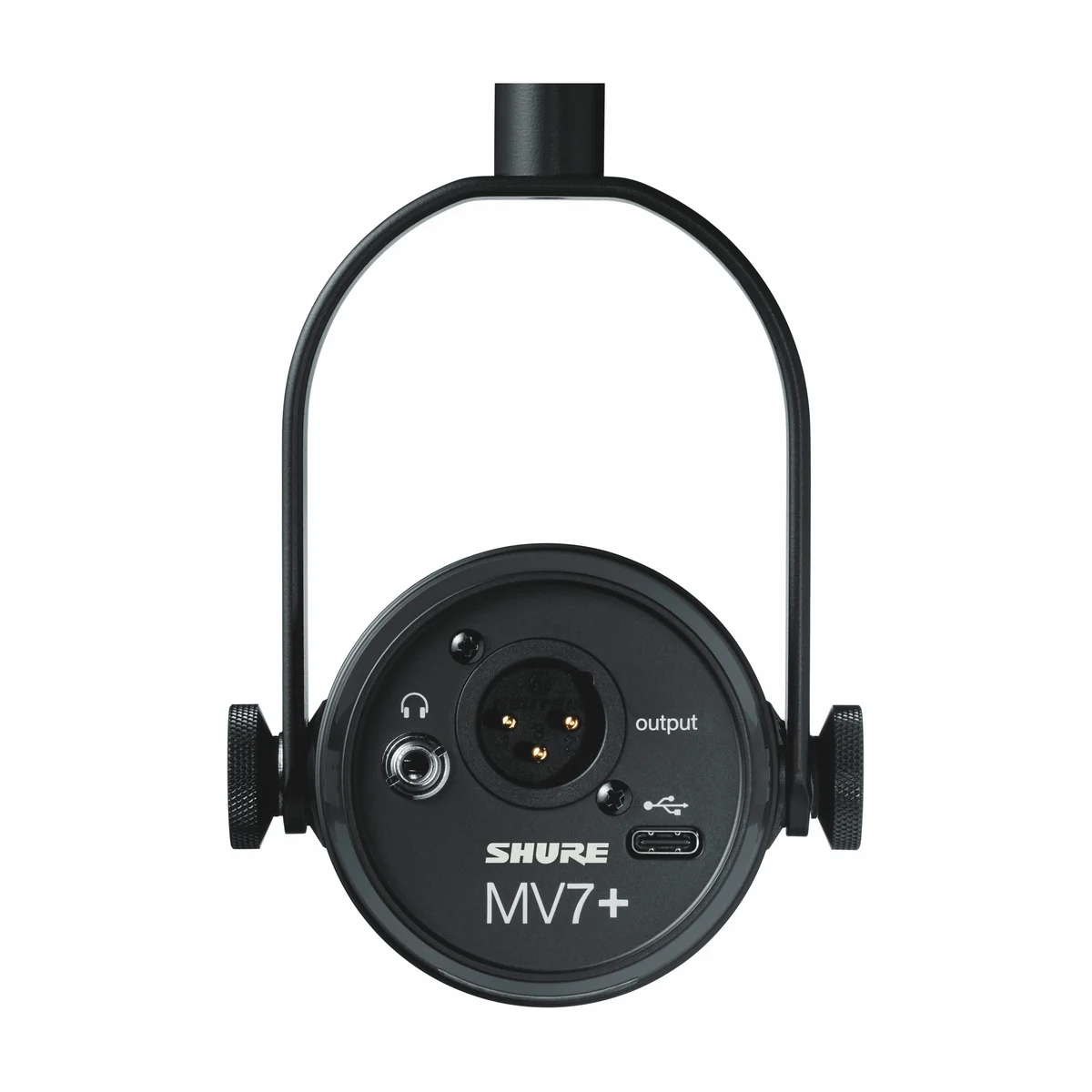
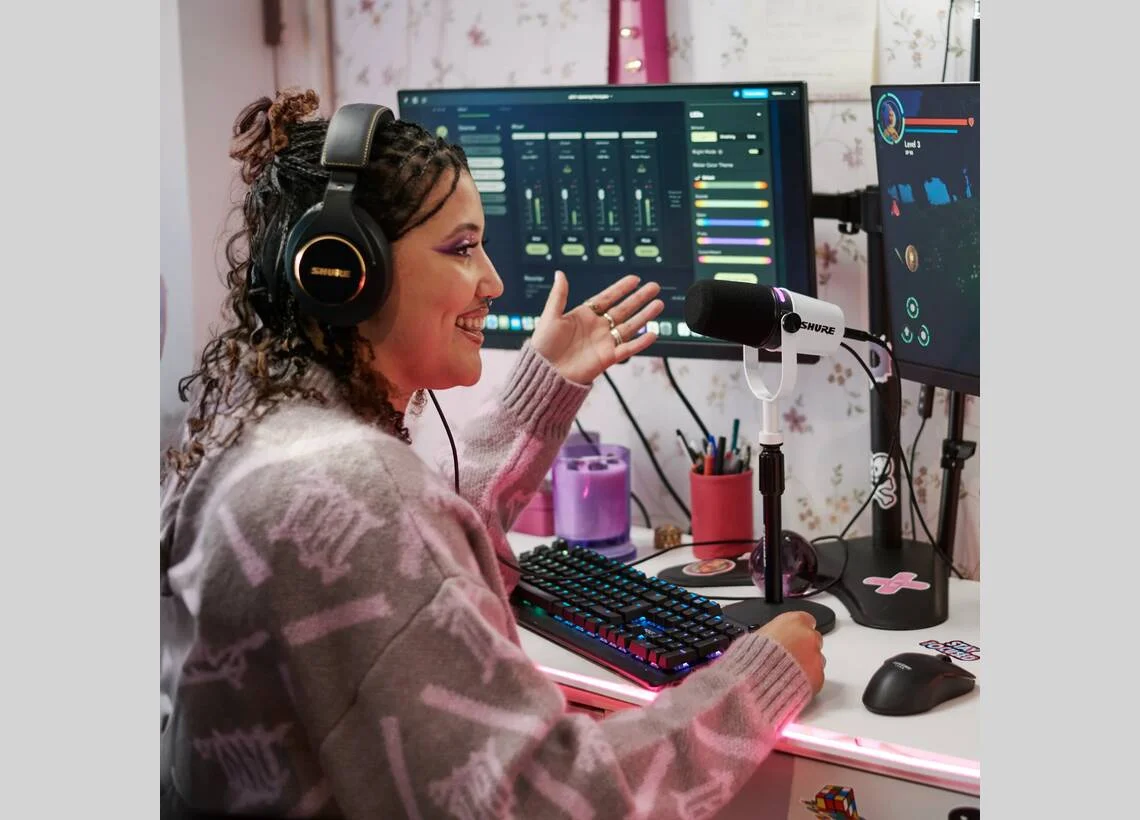
Shure MV7+
“The noise-killing podcaster's mic with studio DSP built in”
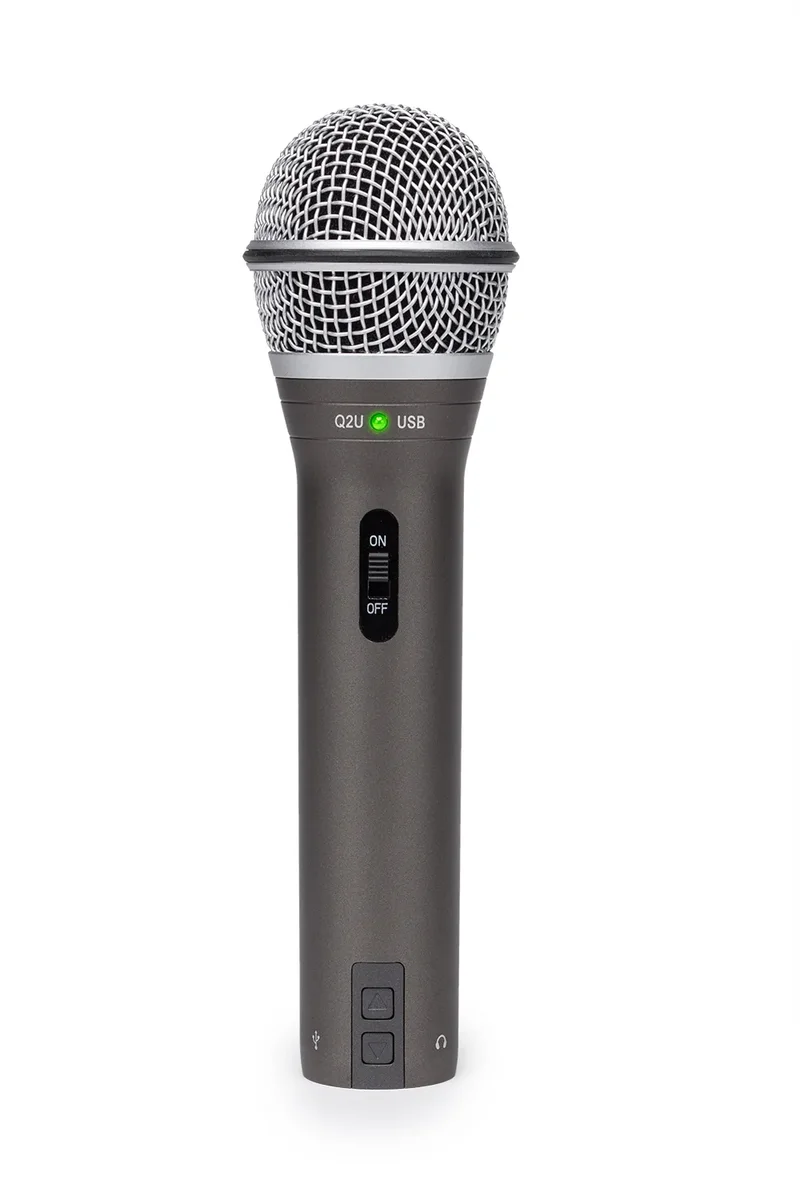
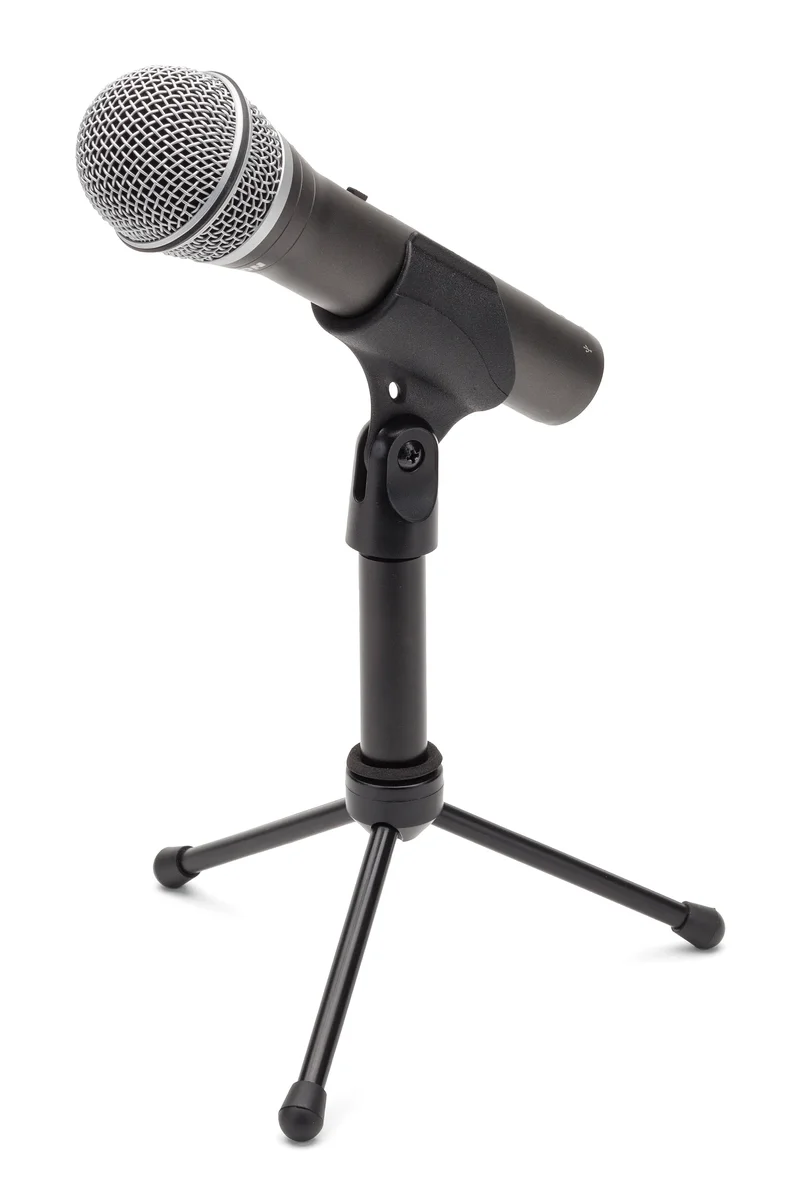
Samson Q2U
“Blind-test competitive with the SM7B at a fifth of the price”
Head-to-Head Breakdown
Strengths & Weaknesses
Shure MV7+
- Best-in-class noise rejection tested against cafe noise and construction by Riverside and Nick Kendall
- Shure Motive app adds real-time denoiser, limiter, and plosive reducer (SemiPro Tech+Gear)
- Dual USB-C and XLR connectivity for seamless upgrades to a pro audio interface
- No stand or boom arm included; expect to spend $30-50 extra (Riverside)
- Touch panel looks sleek but is finicky to operate compared to physical knobs (Nick Kendall)
- Andrew Chapman Creative ranked it 'not a phenomenal microphone by any means,' calling it an SM7B aesthetic without matching its acoustic magic
Samson Q2U
- Raw sound quality rivals the $400 Shure SM7B in a blind test (PSS Creative Media)
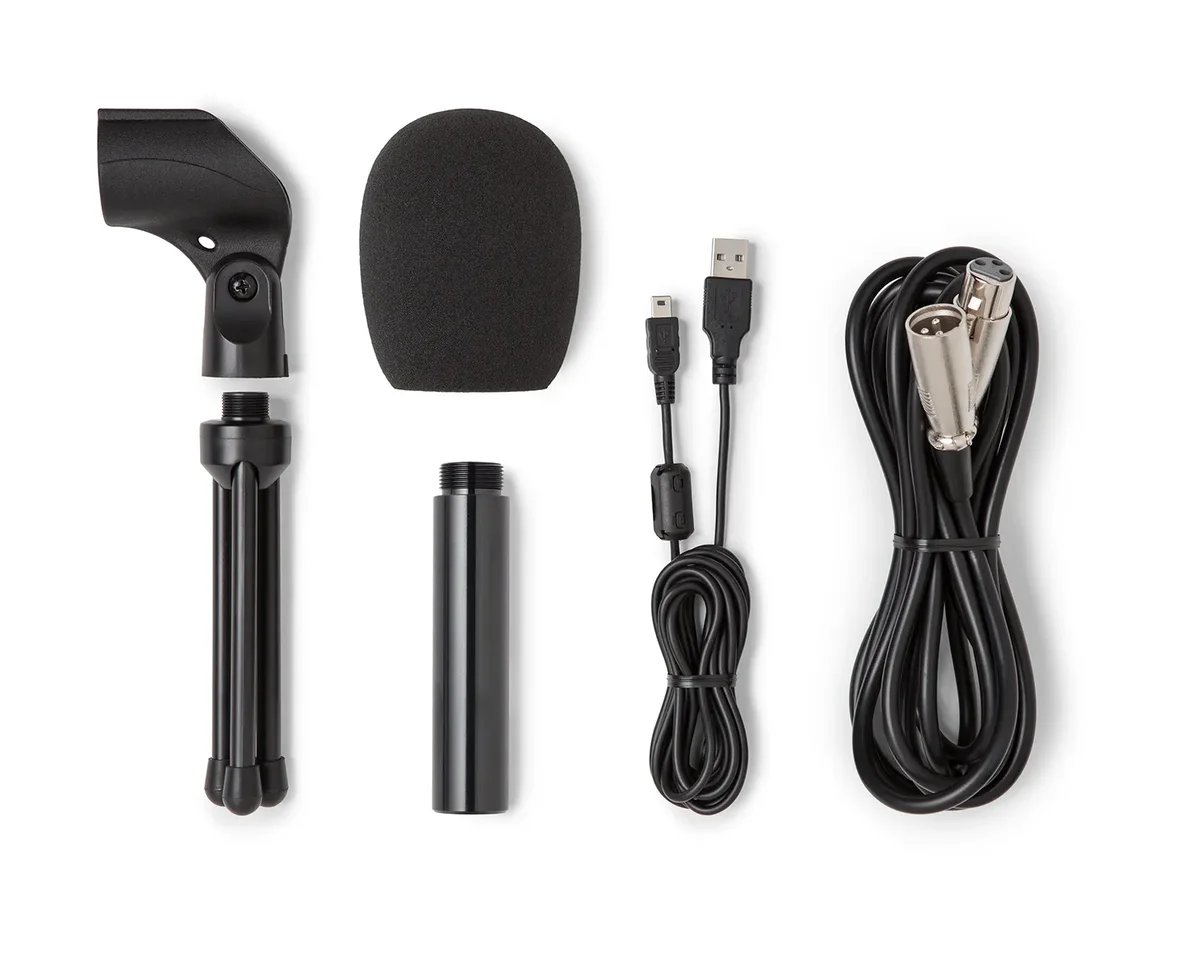
- Includes desk stand, windscreen, USB cable, and XLR cable in the box (The Video Nerd)
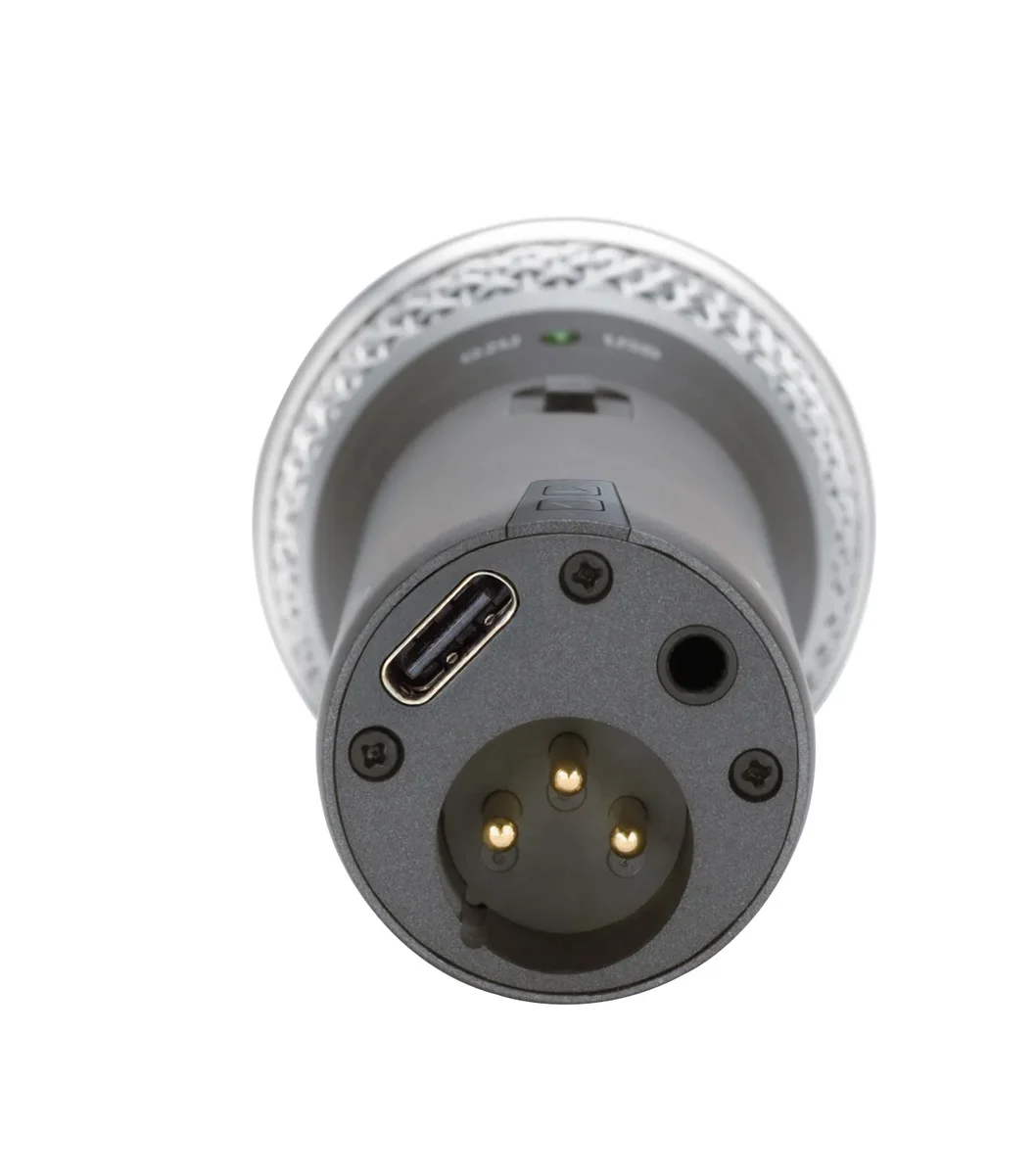
- Dual USB and XLR outputs let you start simple and upgrade to an audio interface later
- Older versions use mini-USB; newer models have USB-C but check before buying (Riverside)
- Looks like a traditional handheld stage mic, not a sleek modern podcast mic (PSS Creative Media, The Video Nerd)
- Desk stand transfers heavy bass vibrations from keyboard typing (Consumer Tech Review)
The Verdict
Our Bottom Line
The Shure MV7+ won because it solves the actual problem most podcasters and streamers face: recording in a room that sounds terrible. Riverside tested it against simulated cafe noise and found it rejected nearly all of it. Nick Kendall recorded with live construction happening outside his window, and the MV7+ blocked it out so completely you'd never know. That noise rejection alone would be enough, but the Shure Motive app pushes it further. SemiPro Tech+Gear walked through every DSP feature: real-time denoiser, plosive reducer, limiter, tone shaping, all accessible from your phone or desktop. You're getting studio post-production processing baked into a $299 USB mic.
Shure MV7+
The Shure MV7+ won because it solves the actual problem most podcasters and streamers face: recording in a room that sounds terrible. Riverside tested it against simulated cafe noise and found it rejected nearly all of it. Nick Kendall recorded with live construction happening outside his window, and the MV7+ blocked it out so completely you'd never know. That noise rejection alone would be enough, but the Shure Motive app pushes it further. SemiPro Tech+Gear walked through every DSP feature: real-time denoiser, plosive reducer, limiter, tone shaping, all accessible from your phone or desktop. You're getting studio post-production processing baked into a $299 USB mic.
- Podcasters recording in untreated rooms with ambient noise, HVAC, or thin walls
- Streamers who want clean audio without spending hours in post-production
- Creators who want one mic that handles USB now and XLR later
- Anyone who values built-in DSP (denoiser, limiter, plosive reducer) over raw analog sound
- Video podcasters who care about on-camera mic aesthetics
Samson Q2U
PSS Creative Media ran a blind audio comparison between the Samson Q2U and the Shure SM7B, the $400 mic that defined podcast audio for a decade. The Q2U held its own. That single test explains why this mic is the value pick: you get 80-90% of the sound quality of a mic that costs five times more.
- First-time podcasters on a strict budget who refuse to compromise on sound quality
- Audio-only podcasters where mic appearance doesn't matter
- Musicians or vocalists who want near-SM7B sound for demos and scratch tracks
- Beginners who want everything in the box with zero extra purchases needed
- Backup mic for travel recording or remote guest setups