The Fluke 117 meets
the AstroAI DM6000AR
The electrician's standard, with ghost-voltage rejection built in. We tested it head-to-head against the AstroAI DM6000AR across 6 key dimensions.
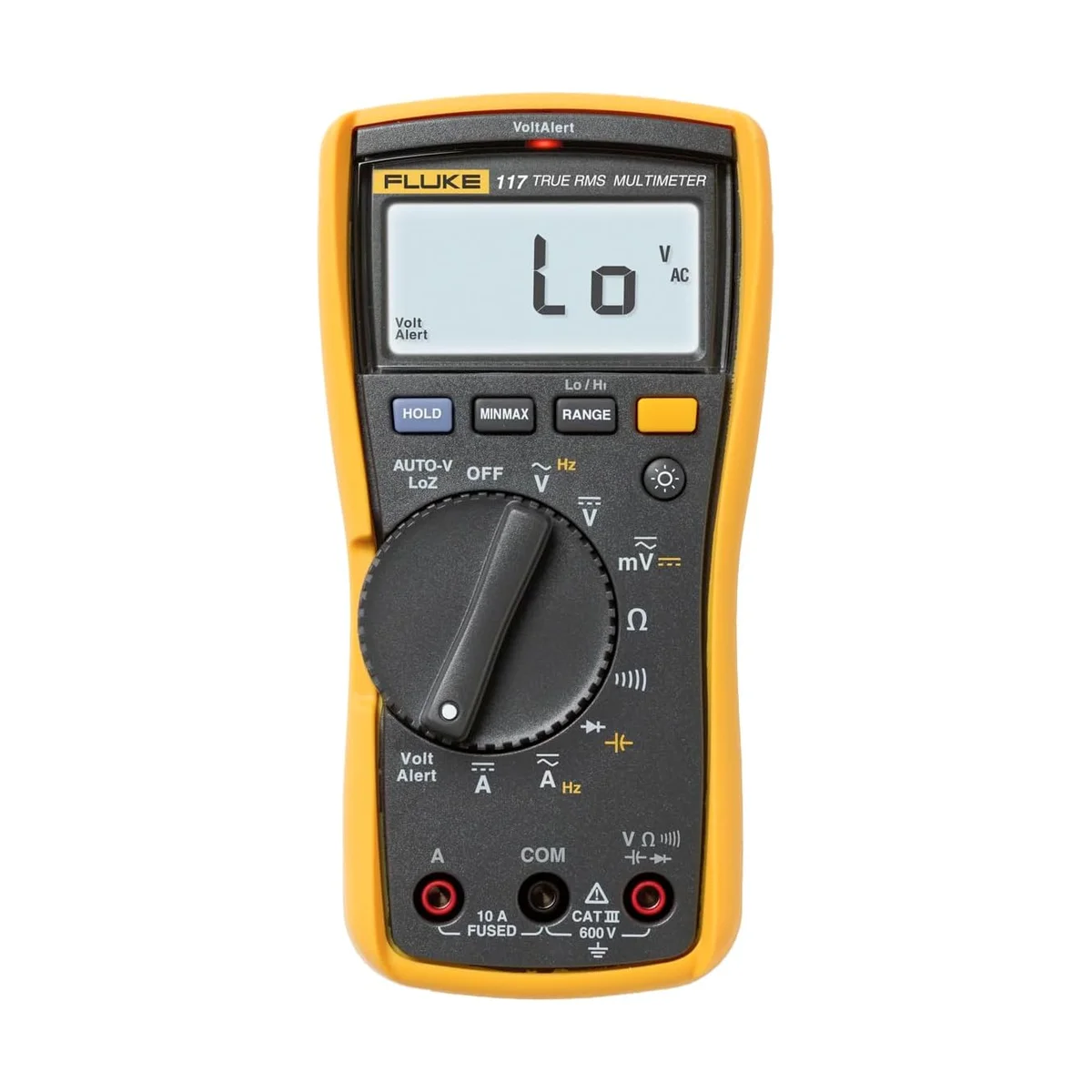
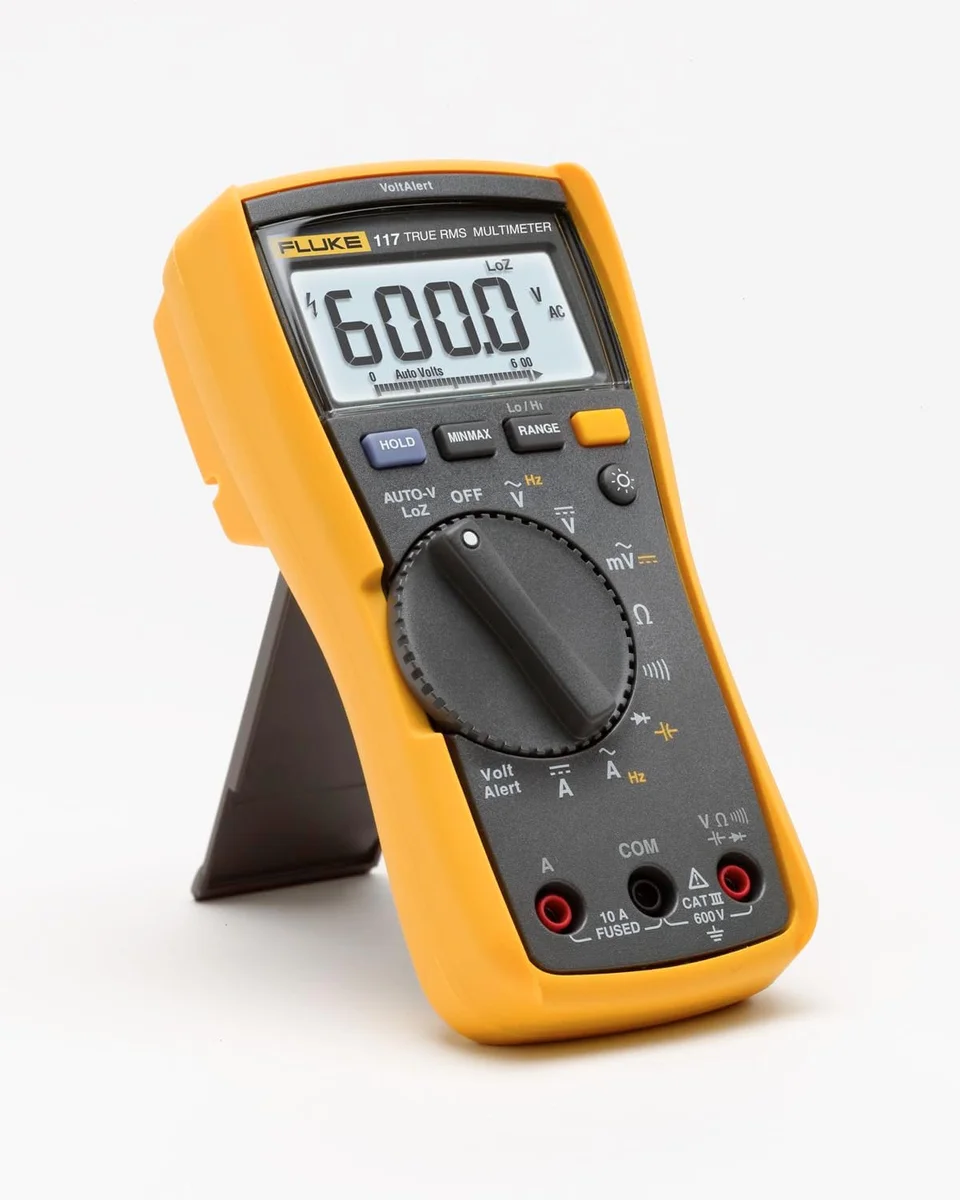
Fluke 117
“The electrician's standard, with ghost-voltage rejection built in”
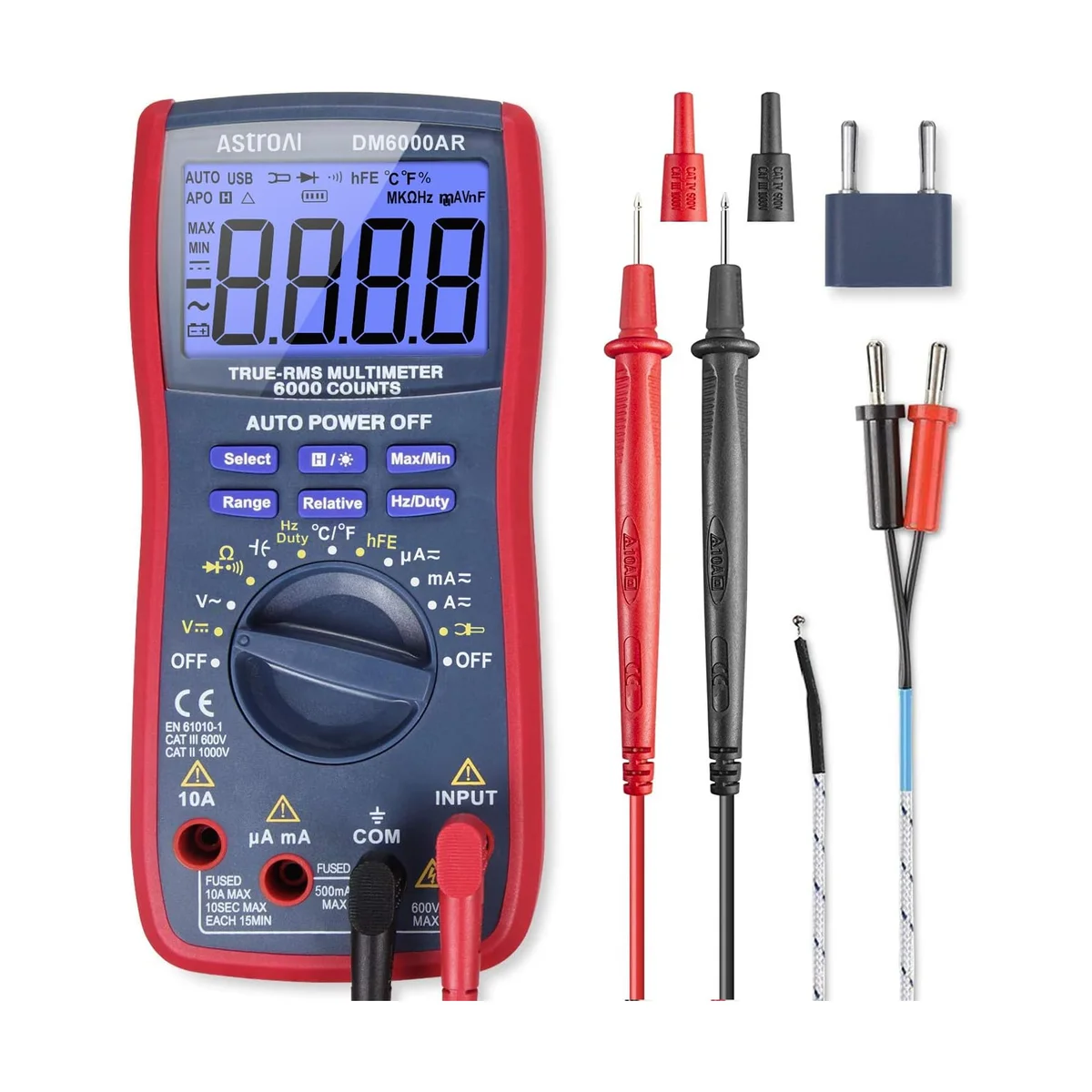
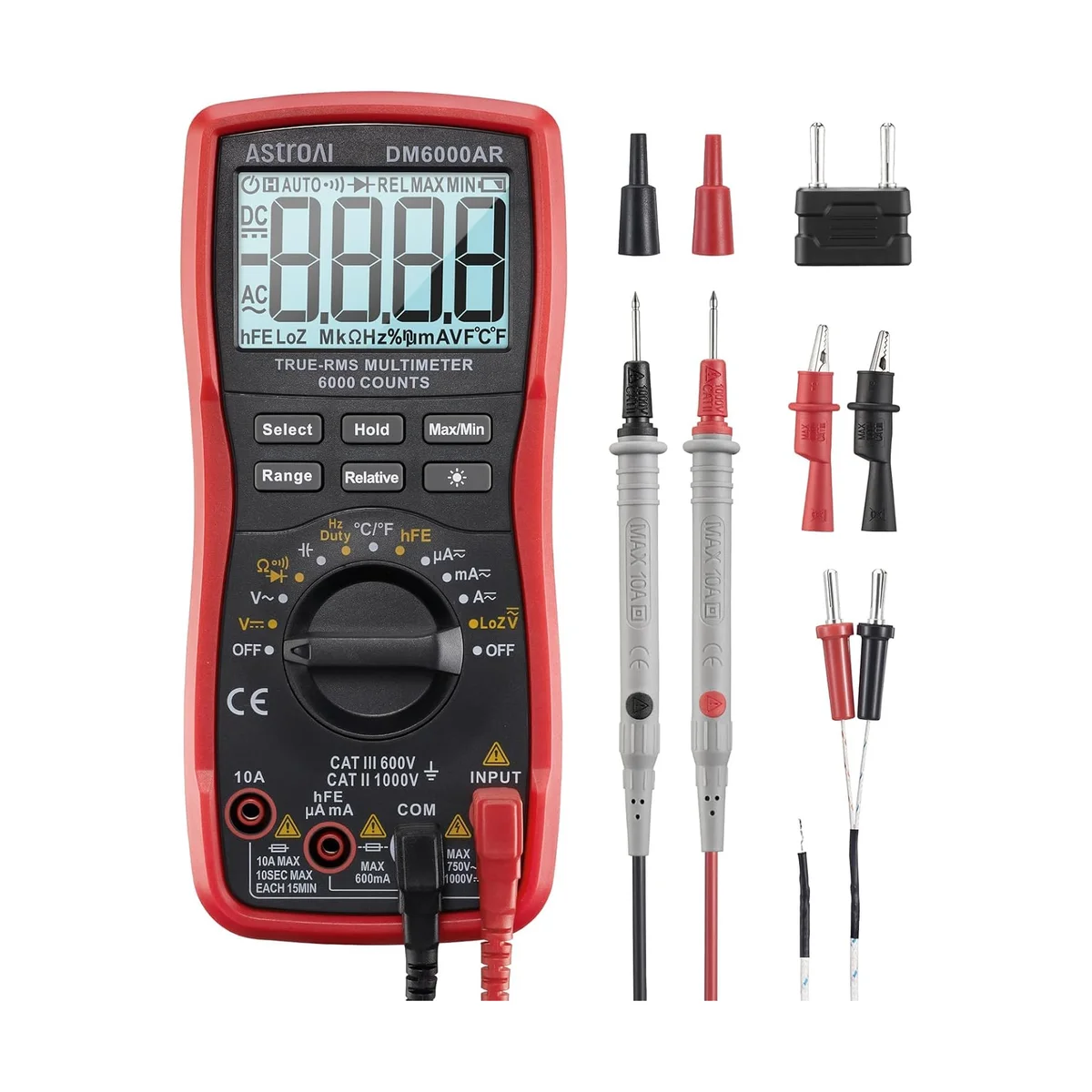
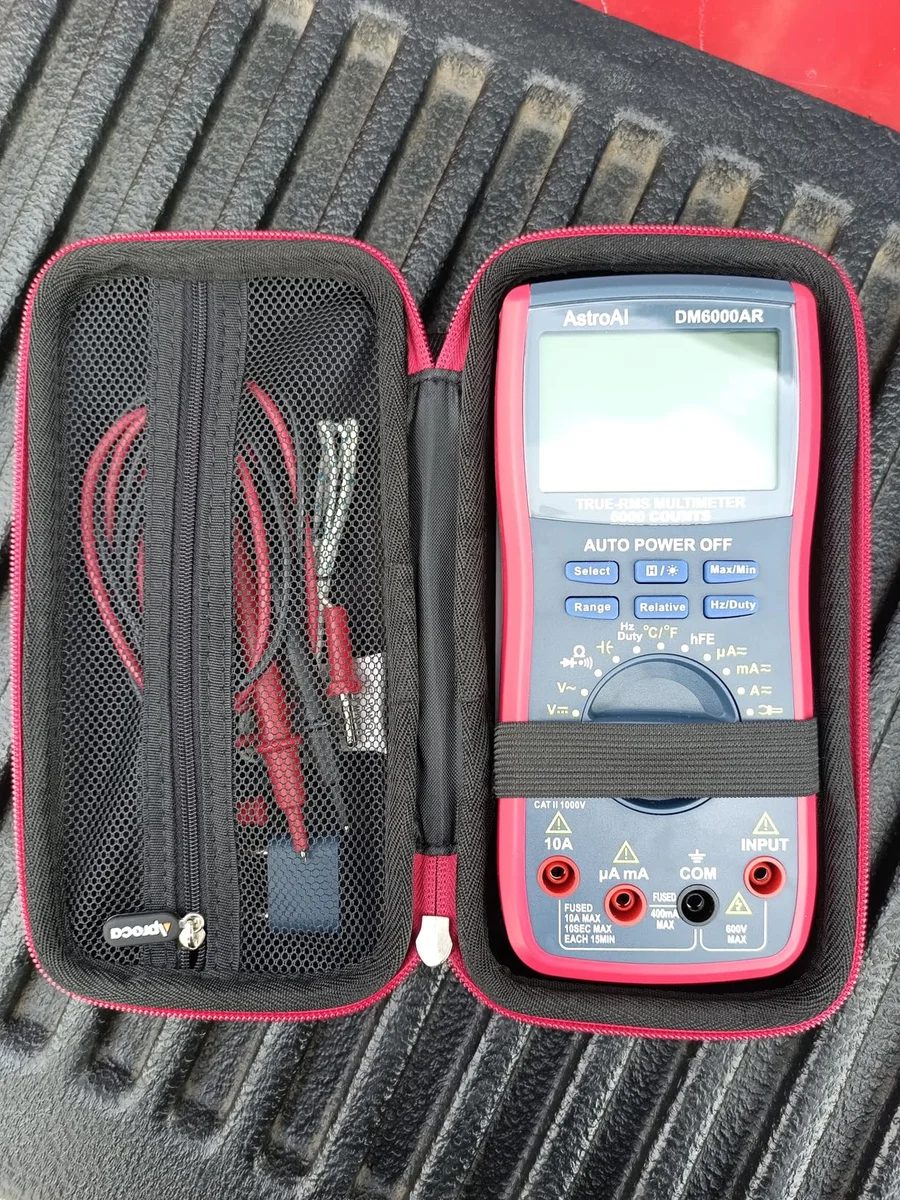
AstroAI DM6000AR
“True-RMS and a temperature probe for around forty dollars”
Head-to-Head Breakdown
Strengths & Weaknesses
Fluke 117
- TechGearLab's top lab score at 81 out of 100 and the go-to electrician's meter across four of our sources
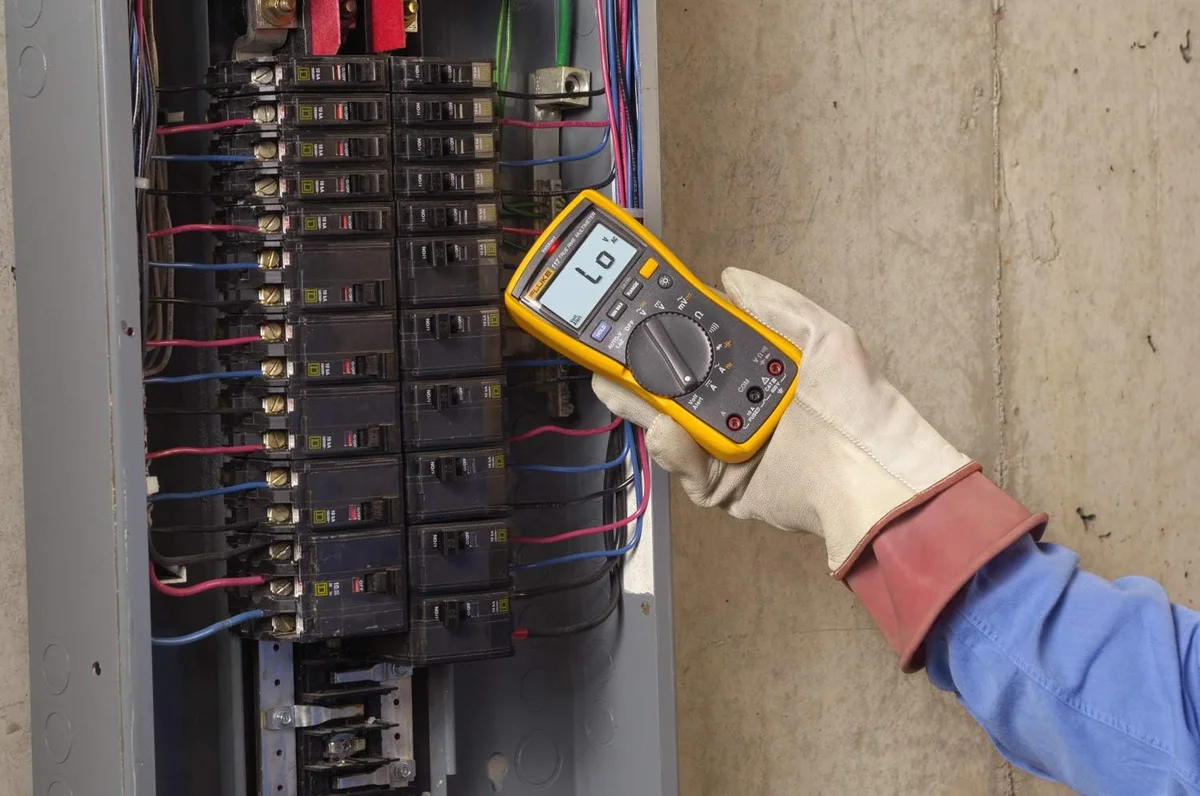
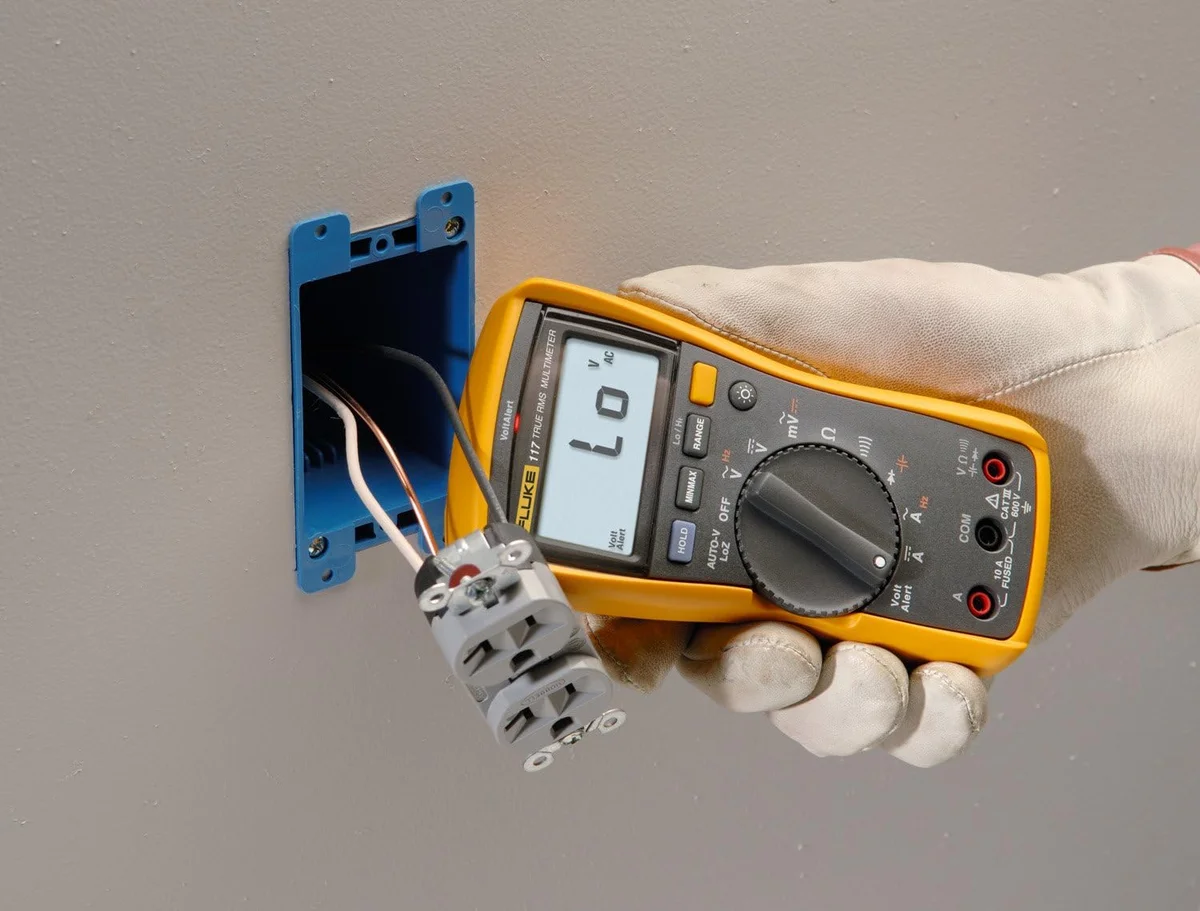
- LoZ mode kills phantom voltage so you do not chase ghost readings on a dead circuit
- Built-in VoltAlert senses live voltage without probing, and the lifetime warranty backs it
- At around $253 it costs six times the AstroAI value pick
- No temperature function, which even the budget AstroAI includes
- The Fluke 87V is more accurate if you do demanding industrial work
AstroAI DM6000AR
- TechGearLab scored the AstroAI 6000 model 80 out of 100, within a point of the Fluke 117 at a sixth of the price
- Includes a temperature probe and capacitance that the Fluke 117 leaves out
- Auto-ranging and backlit, so a beginner can get a clean reading right away
- No low-impedance mode, so it can show phantom voltage on a dead wire
- CAT III 600V rating lacks the third-party safety listing of the pro meters
- Leads and housing are not built for daily professional use
The Verdict
Our Bottom Line
On our weighted formula the Fluke 87V (94.1) scores higher than our Best Overall pick, the Fluke 117 (89.5). That is expected and honest: the 87V is the more capable instrument, with 0.05 percent accuracy, a 20000-count mode, and a CAT IV rating. We still name the 117 Best Overall because it is the meter that fits the most buyers. The 87V costs nearly twice as much, and its extra precision and industrial safety rating are overkill for the residential and general electrical work that most people actually do. The 117 delivers the professional essentials, True-RMS, LoZ ghost-voltage rejection, and non-contact voltage sensing, at a price a working electrician or serious DIYer will actually pay. Buy the 87V if you do industrial or utility work; buy the 117 for everything else.
Fluke 117
The Fluke 117 is the meter that hangs on more electricians' hips than any other, and our sources back that up. It appeared in four of the seven reviews we synthesized, TechGearLab handed it the highest lab score in their test at 81 out of 100, and Pro Tool Reviews called it the Best Fluke for the working trade.
- Electricians who need a trade-standard meter with real ghost-voltage rejection
- Serious DIYers doing their own wiring who want to trust every reading
- Anyone who wants a meter they buy once and keep for a decade
- Buyers who value the built-in non-contact voltage alert
- Tradespeople who want Fluke resale value and a lifetime warranty
AstroAI DM6000AR
The AstroAI DM6000AR delivers most of what a homeowner or hobbyist actually needs for around forty dollars. It is True-RMS, auto-ranging, and reads to 6000 counts, and TechGearLab scored the AstroAI 6000-count model 80 out of 100, one single point behind the Fluke 117 that costs six times as much.
- Homeowners checking outlets, batteries, and fuses a few times a month
- Electronics hobbyists who want True-RMS and a temperature probe cheaply
- Car and RV tinkerers who need capacitance and duty cycle
- Students learning to use a meter without a big outlay
- Anyone who wants pro-adjacent features for around forty dollars