The Hisense PX3-Pro meets
the Formovie Cinema Edge
The UST that nails bright rooms, dark rooms, and gaming at once. We tested it head-to-head against the Formovie Cinema Edge across 6 key dimensions.
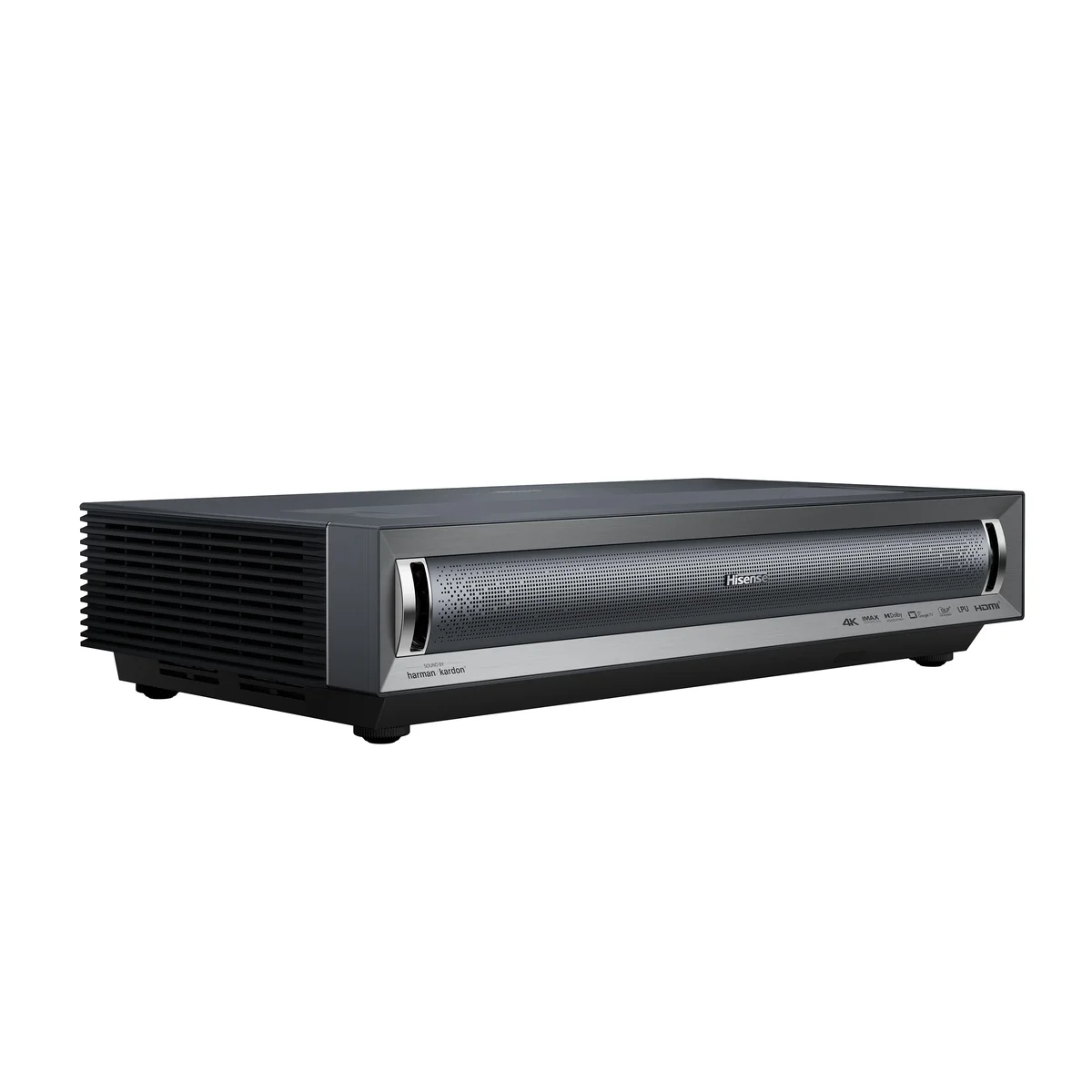
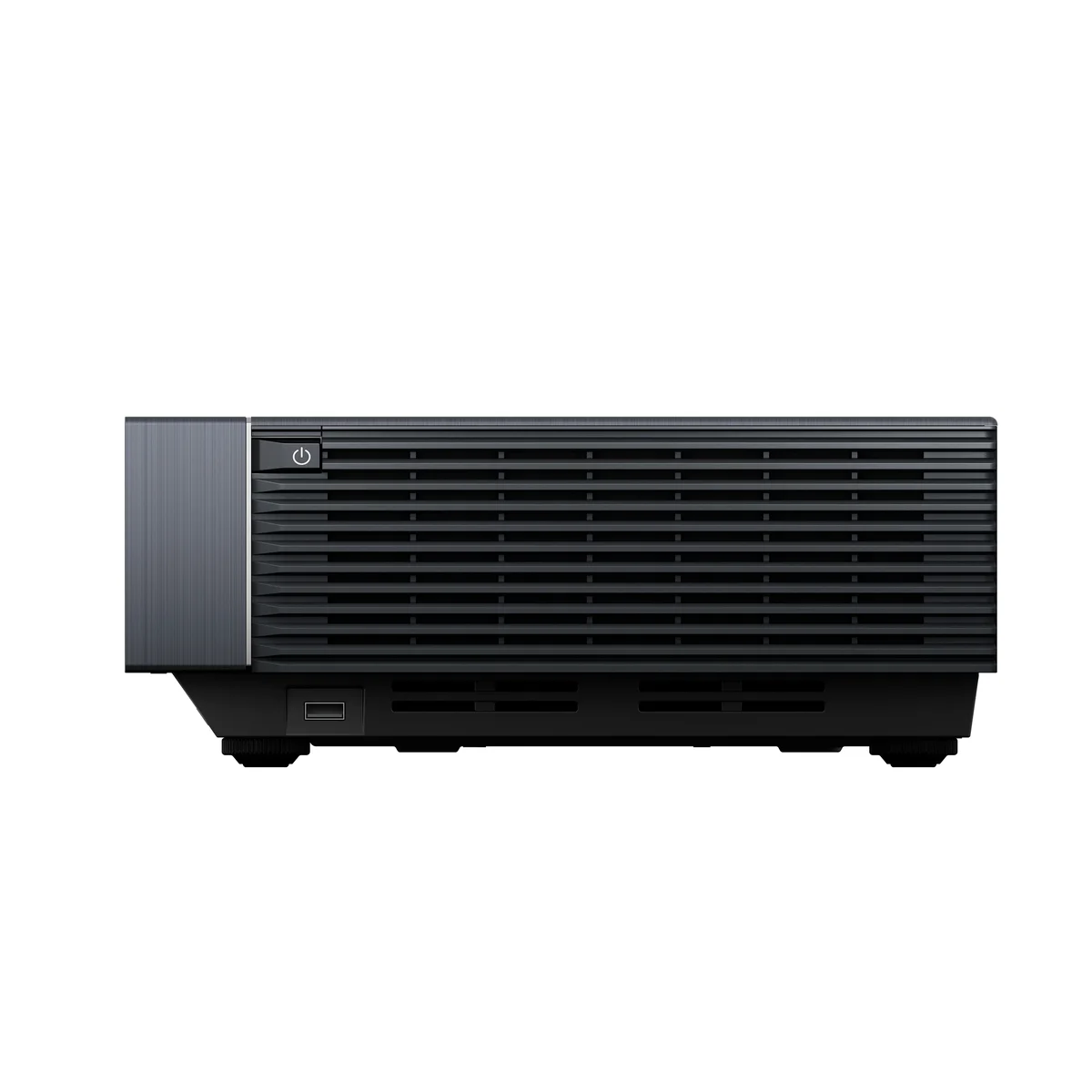
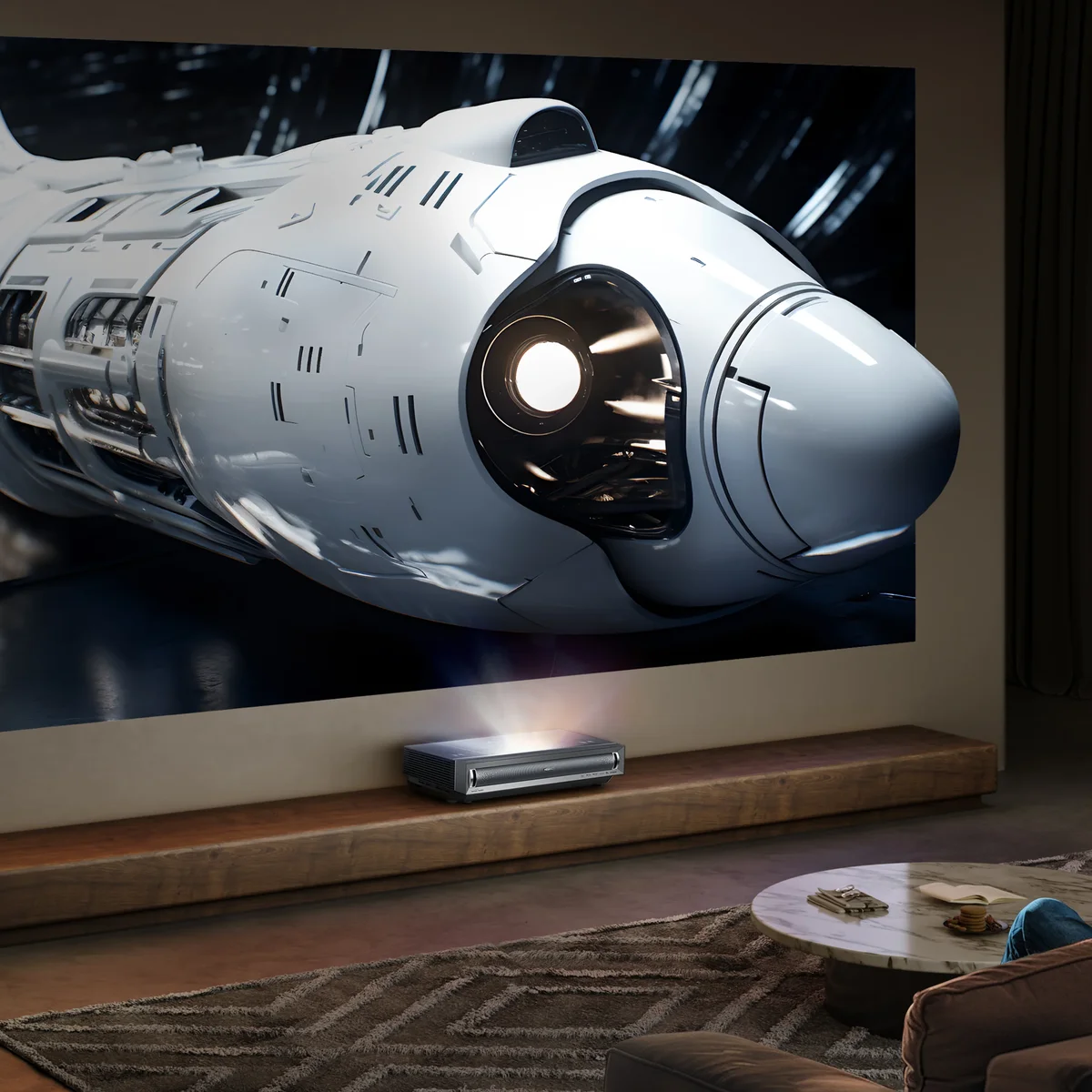
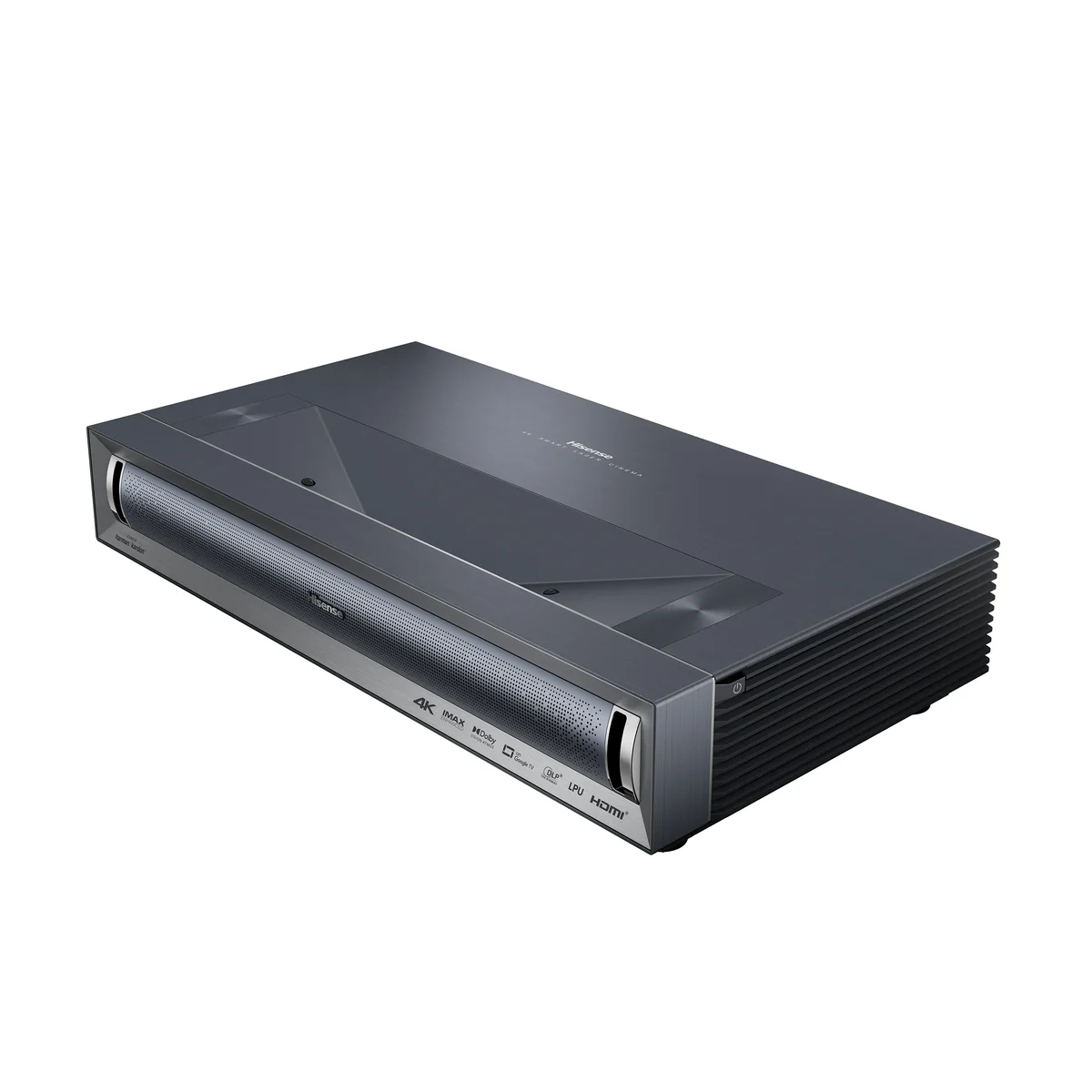
Hisense PX3-Pro
“The UST that nails bright rooms, dark rooms, and gaming at once”
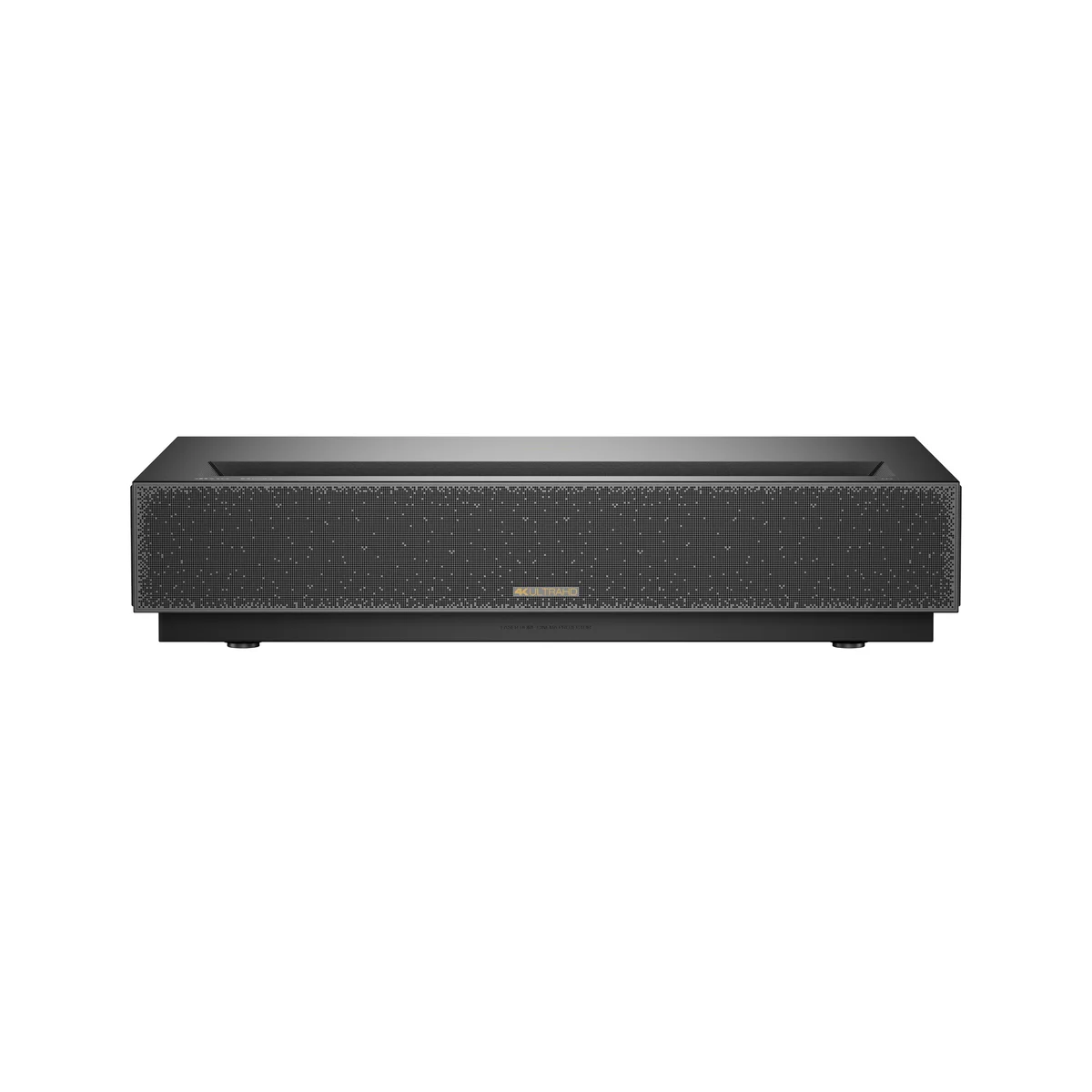
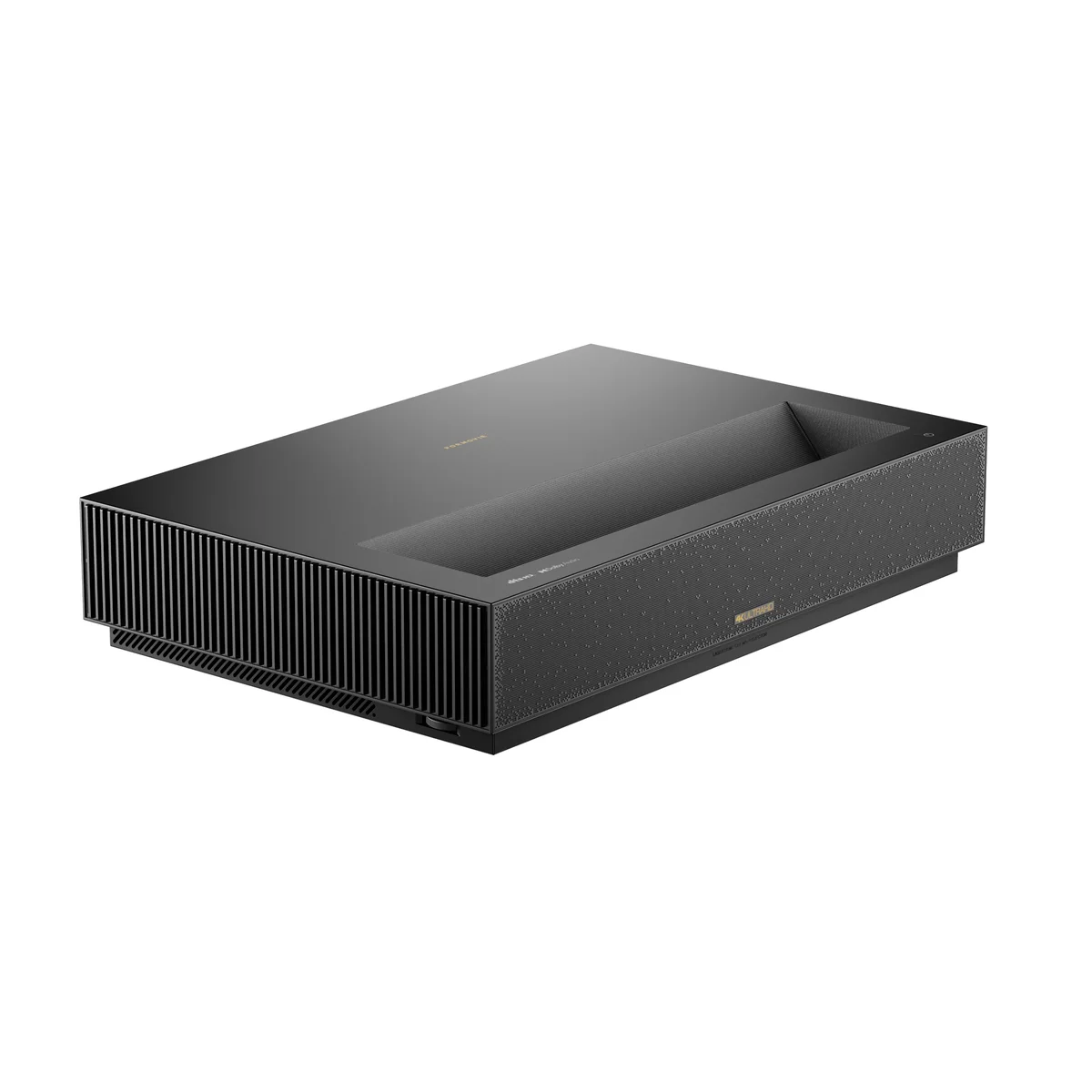
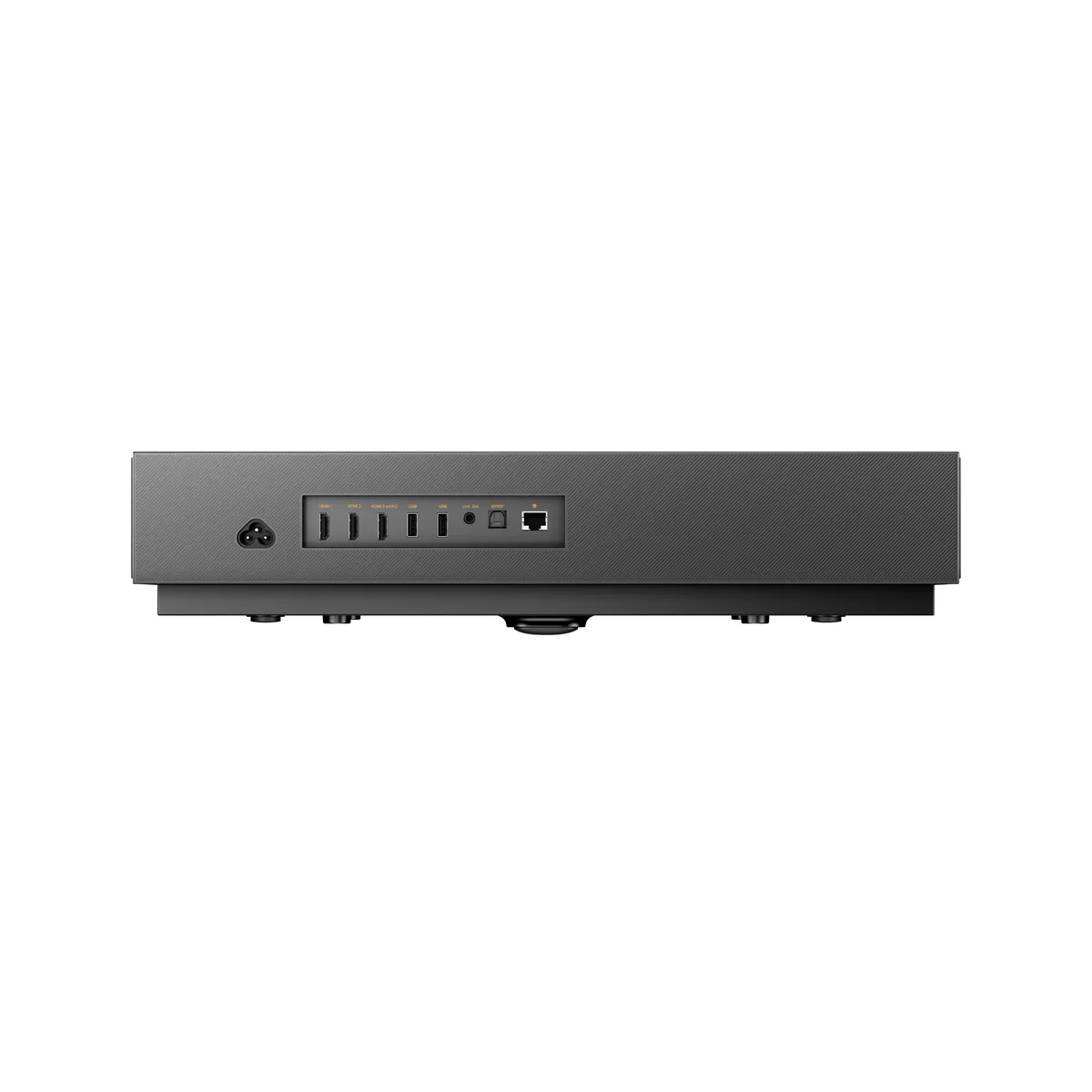
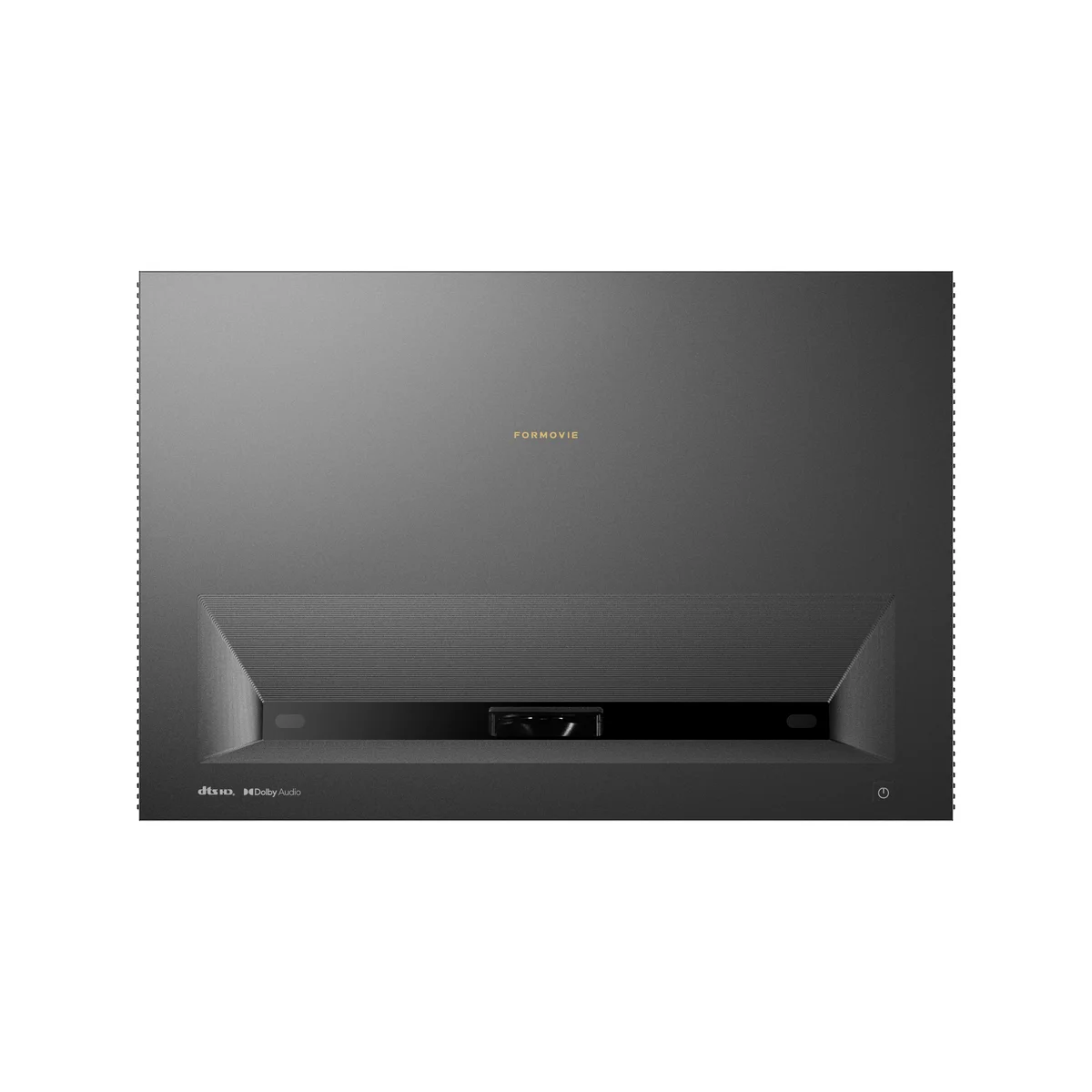
Formovie Cinema Edge
“A 100-inch laser picture for well under two grand”
Head-to-Head Breakdown
Strengths & Weaknesses
Hisense PX3-Pro
- The Hook Up called it the most well-rounded UST, strong for daytime sports and dark-room movies alike
- Tanmay Mehta measured 110% BT.2020 color, so HDR and Dolby Vision content looks vivid
- TechByTravis clocked its Xbox-certified gaming at 4K 120Hz with dual HDMI 2.1 and sub-5ms lag at 240Hz
- The Hook Up notes the pure RGB laser causes speckle and needs a lenticular screen, not a Fresnel
- Dynamic contrast only kicks in at full laser power, which lifts the black floor a touch (The Hook Up)
- Some regions ship it with Vidaa OS instead of Google TV, so you add a streaming stick (Tanmay Mehta)
Formovie Cinema Edge
- The Hook Up crowned it the budget pick over its WiiMax twin thanks to a firmware update that added frame-packed 3D
- Its hardware measured over 2,200 usable lumens, enough for a living room with some light (The Hook Up)
- The single laser avoids the speckle and color-blindness issues of pricier RGB units (The Hook Up)
- Black levels are muddy, with a low 300:1 native contrast that crushes shadow detail (The Hook Up)
- It supports only HDR10, so you miss Dolby Vision tone mapping (The Hook Up)
- Gaming drops frames past 60Hz, so it is a poor fit for high-refresh play (The Hook Up)
The Verdict
Our Bottom Line
The Hisense PX3-Pro wins because it refuses to specialize. The Hook Up called it the most well-rounded UST projector on the market, strong for daytime sports and dark-room movies in the same living room. That matters, because most people who buy a laser TV put it in a real room with windows, not a light-sealed theater. At around 3,000 lumens, and often more when its brightness enhancer is on, it cuts through ambient light and still holds shadow detail after dark.
Hisense PX3-Pro
The Hisense PX3-Pro wins because it refuses to specialize. The Hook Up called it the most well-rounded UST projector on the market, strong for daytime sports and dark-room movies in the same living room. That matters, because most people who buy a laser TV put it in a real room with windows, not a light-sealed theater. At around 3,000 lumens, and often more when its brightness enhancer is on, it cuts through ambient light and still holds shadow detail after dark.
- You want one projector for both bright and dark rooms
- You watch a mix of sports, movies, and HDR content
- You game on a console and want 4K 120Hz
- You can spend around $3,000
- You want vivid, wide-gamut color
Formovie Cinema Edge
The Formovie Cinema Edge gets you a real UST laser picture for well under two grand. The Hook Up picked it as the budget champion over its hardware twin, the WiiMax Nova Pro, because Formovie shipped a firmware update that added frame-packed 3D the WiiMax never got. Same panel, better software, lower stress.
- You want a big laser picture for under $2,000
- You watch mostly with some ambient light
- You care about a bright, punchy image over inky blacks
- You are new to UST projectors
- You do not need Dolby Vision or high-refresh gaming