
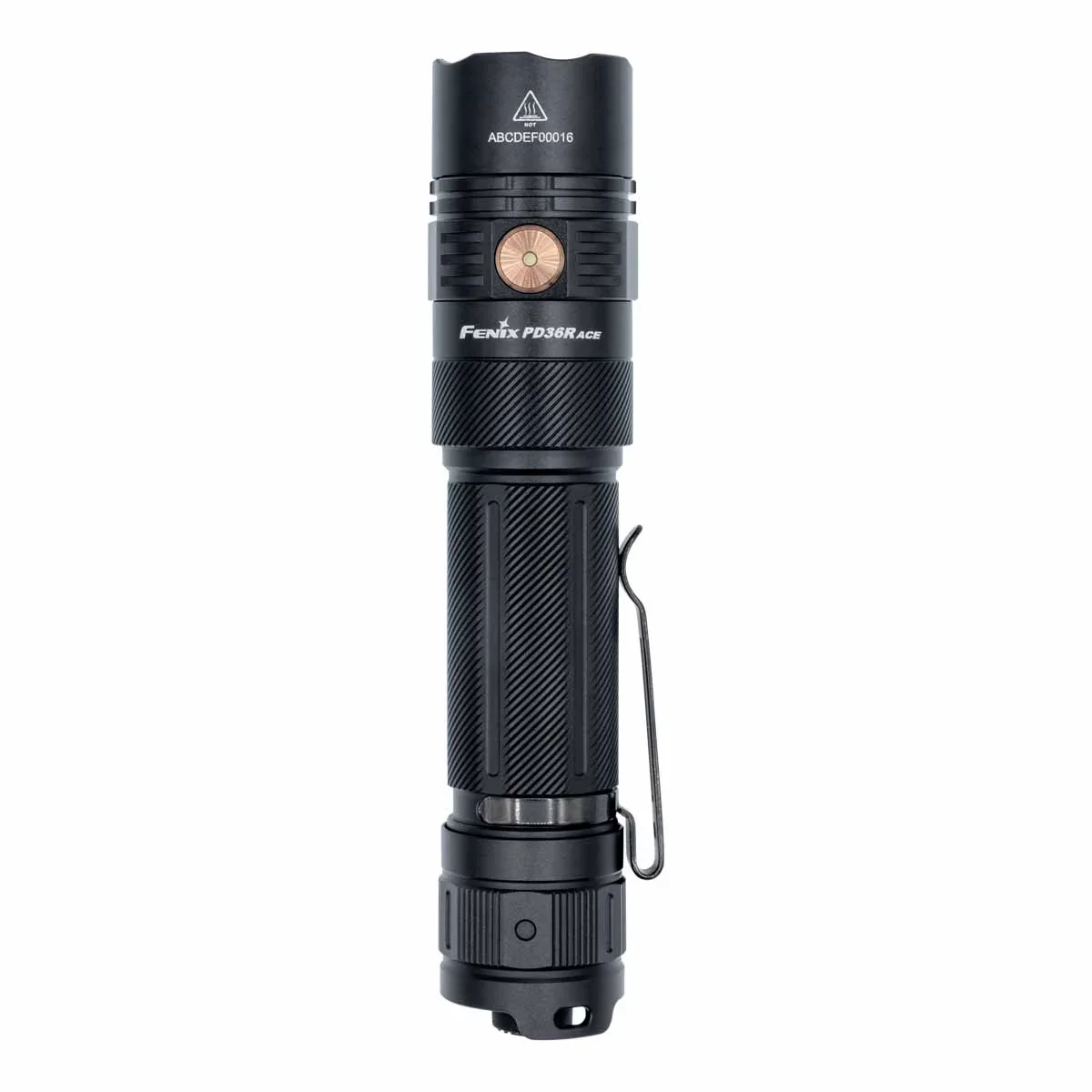
Four of the eight 2026 flashlight roundups we read put the Fenix PD36R ACE in the #1 slot — Sean McCoy at GearJunkie (after testing ~65 lights over 13 years), Bob Vila's editorial team, and Survival Life's lab-test pick. Alex Rennie at CNN Underscored ranked the PD36R V2.0 #2 of 26 tested, just behind a budget pick chosen specifically for ease of use.
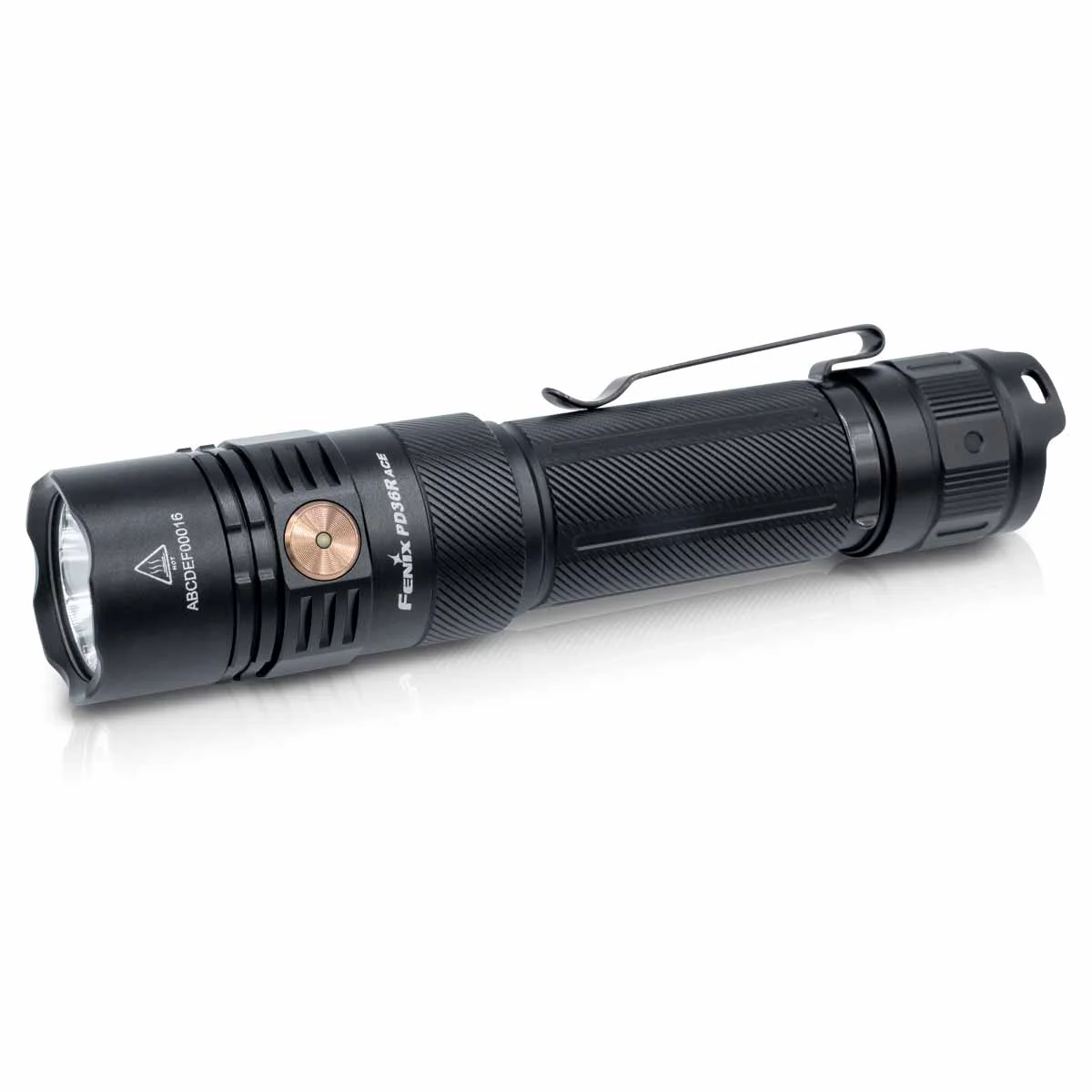
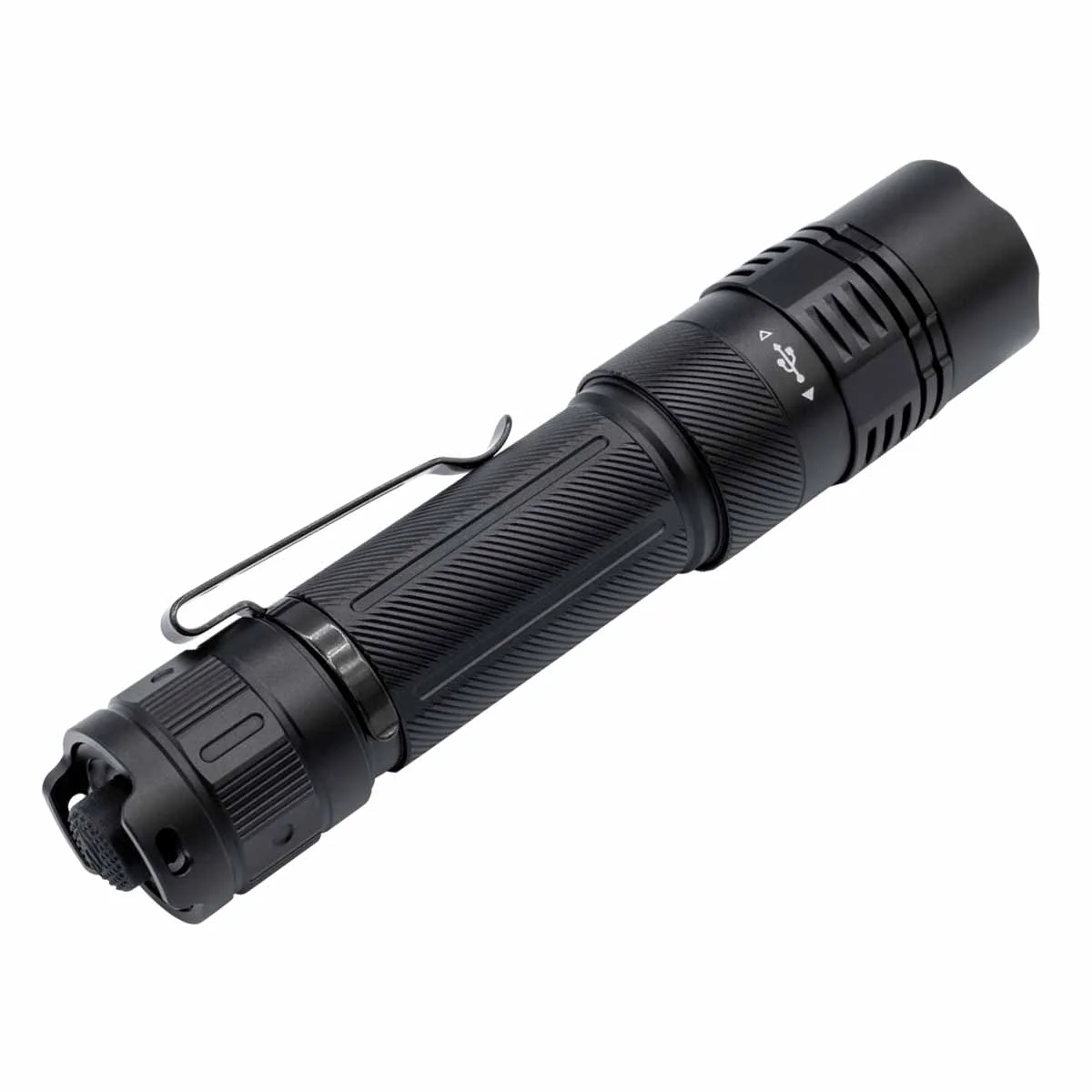
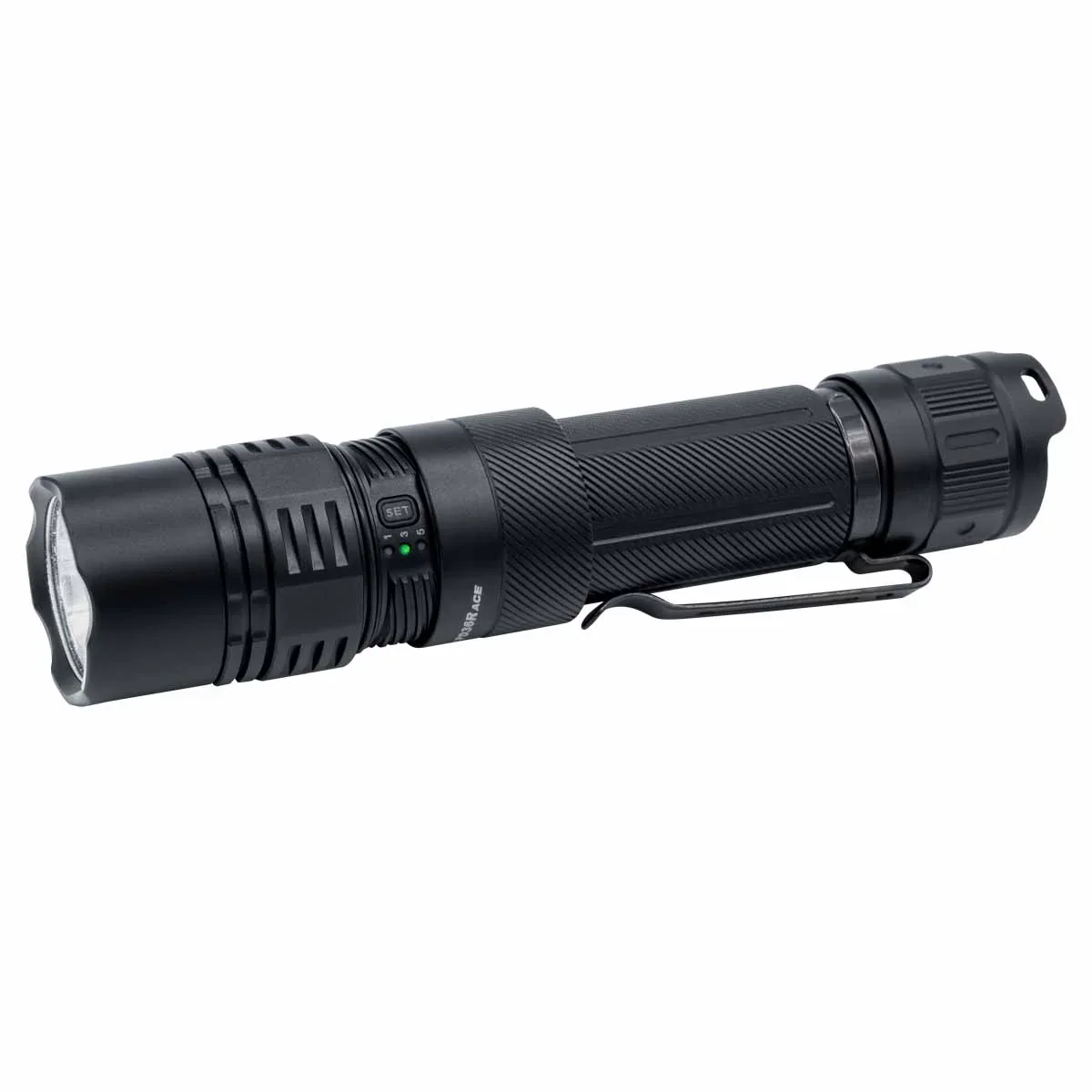
The argument is consistency. The PD36R ACE delivers 3,000 lumens with 415m throw, IP68 weather sealing, USB-C charging through the light body, and a 5,000 mAh 21700 cell that CNN measured at 'over four hours on high and nine hours total before shutting off.' Survival Life's lab tests verified the sustained output — most competitor lights step down in 30–60 seconds. The PD36R ACE holds the high mode through real-world use.
The new ACE SET side button is the 2026 upgrade. You program three preferred modes into the side button instead of cycling through the factory sequence. Sean McCoy at GearJunkie called the resulting UI 'fantastic'; Survival Life noted the side button can be hard to find with gloves on, which is a fair tactical-use caveat.
What It Won't Do
At $110, the PD36R ACE sits at the top of the everyday-use price ladder. The Acebeam TAC 2AA delivers IP68 sealing and 1,600 lumens for $50, and that's enough light for most people. The PD36R is also a 6.4 oz / 1.0-inch-diameter tube — CNN noted the 'wider diameter and heavier weight make it less convenient to carry in a pocket' than slimmer EDC options. This is a truck-cabin, gear-bag, or duty-belt light, not a slim-jeans EDC.
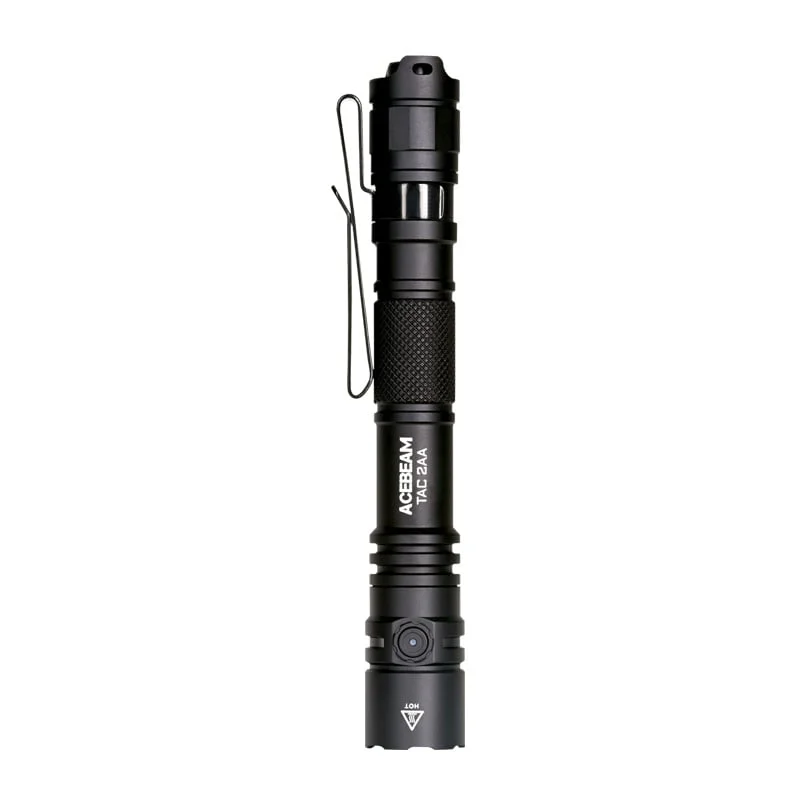
The Acebeam TAC 2AA is the rare $50 flashlight that reviewers actually rank in the top three of the entire category. Sean McCoy at GearJunkie put it at #2 of 65 lights tested. Bob Vila's panel ranked it #3 of 17 tested with a 4.3/5 build score. Survival Life made it their #2 tactical pick for 2026.
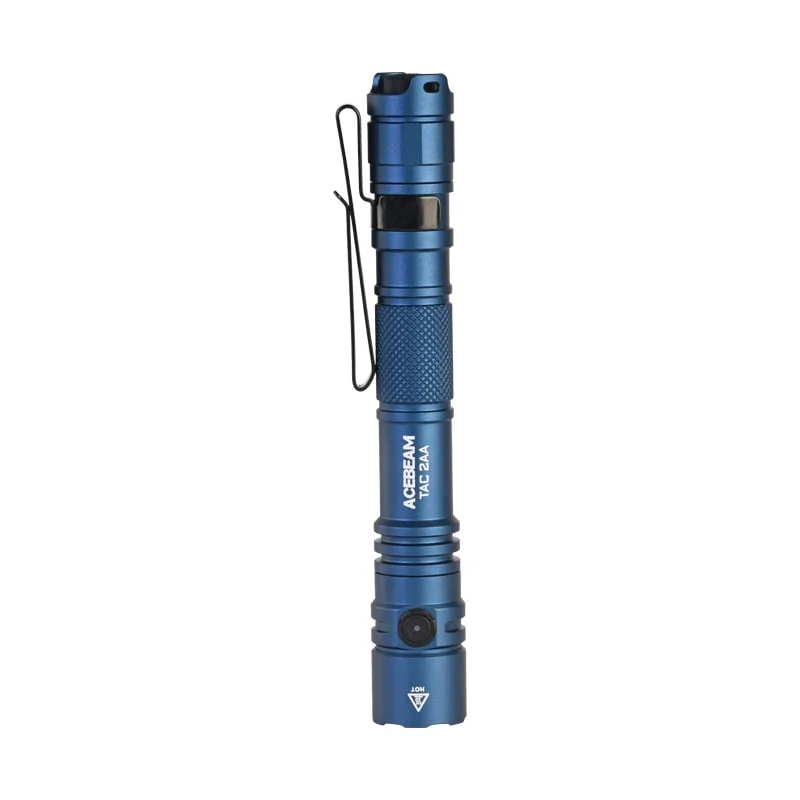
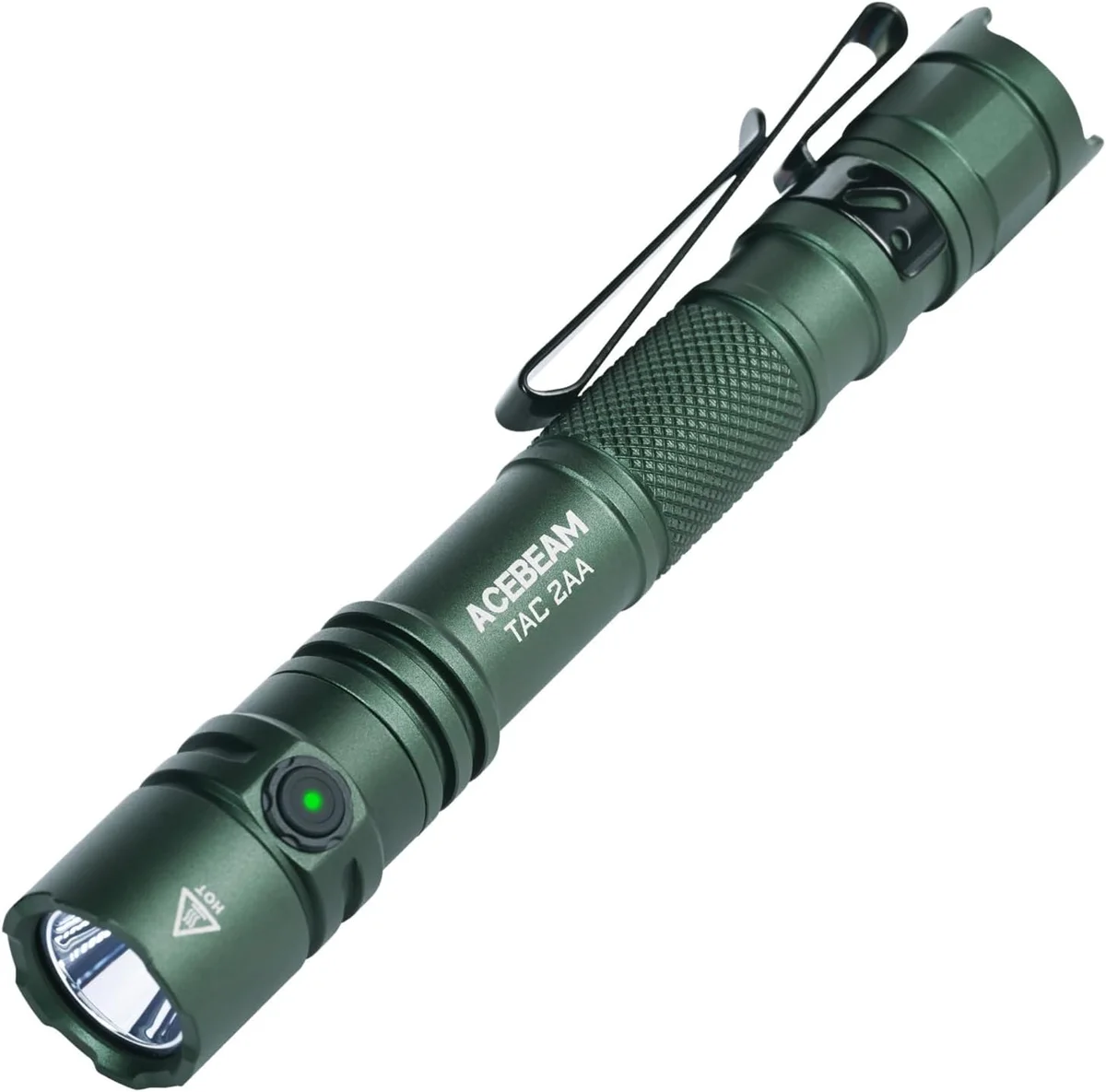
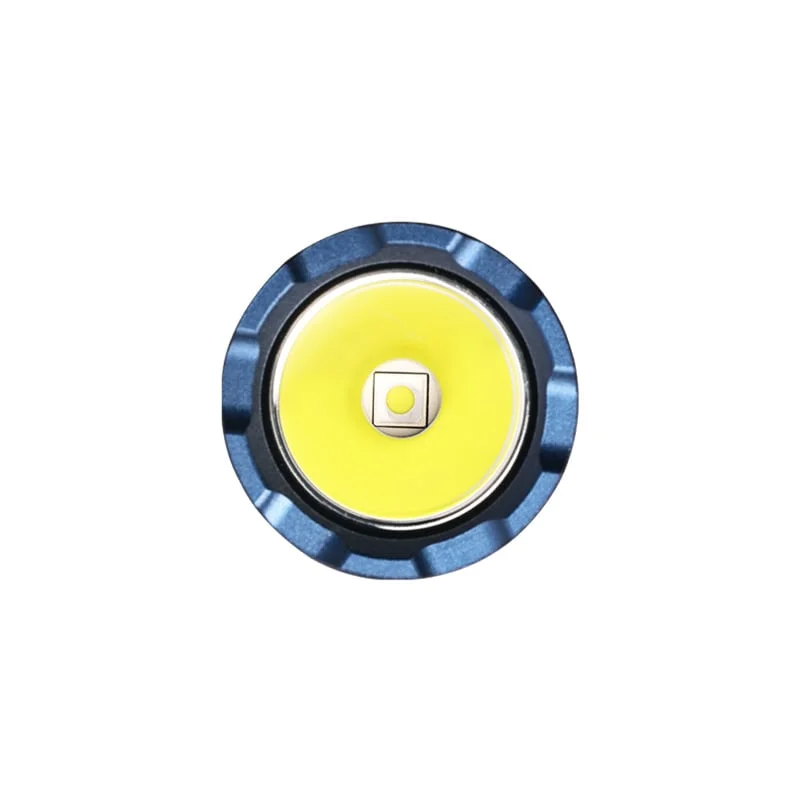
The spec sheet explains why. 1,600 lumens / 8,190 candela / 181m throw is genuinely capable — Survival Life called it 'tactically capable in a 2AA footprint.' IP68 weather sealing matches the $110 Fenix. The dual-fuel battery system ships with a USB-C-rechargeable 14100P lithium cell that hits the full 1,600 lm, and falls back to 2x AA alkaline or NiMH at lower output if the lithium dies. Bob Vila highlighted the dual-fuel as the standout feature: USB-C convenience in normal use, plus the gas-station AA fallback for emergency or rural use.
The weight is 3.7 oz versus the Fenix's 6.4 oz, and the 2AA-tube form factor is genuinely pocketable — Survival Life called the carry profile 'ultra-slim.'
What It Won't Do
181m throw is less than half the Fenix's 415m, which Survival Life specifically flagged for long-distance scanning. Bob Vila noted the 'head gets warm on high mode' — thermal step-down on Turbo kicks in faster than larger-cell lights. The USB-C port is on the battery, not the light body, so you have to unscrew the tube to charge if you don't have a spare cell.
Who Should Buy Which
Fenix PD36R ACE
The flashlight the reviewers can't stop ranking #1
- Anyone buying one flashlight to handle car emergencies, power outages, camping, and yard-search tasks
- Duty users (security, public safety, outdoor industry) who need IP68 + 400m+ throw
- Hikers and overlanders who want a 5,000 mAh runtime in one cell
- Buyers who want the most reviewer-validated pick in the category and don't mind the $110 sticker
- Anyone who hates the proprietary chargers on Olight and similar competitors — the PD36R ACE charges via USB-C directly
Acebeam TAC 2AA
Half the price of the Fenix, dual-fuel USB-C or AA, still IP68
- First-time buyers who want a serious flashlight under $50
- Travelers and rural-emergency-kit buyers who want gas-station AA fallback
- Light-pocket EDC users who can't carry a 6.4 oz tube every day
- Anyone outfitting multiple emergency kits at home, car, and bug-out bag at one go
- Buyers who don't need 400m+ throw and would rather have IP68 in a 3.7 oz body