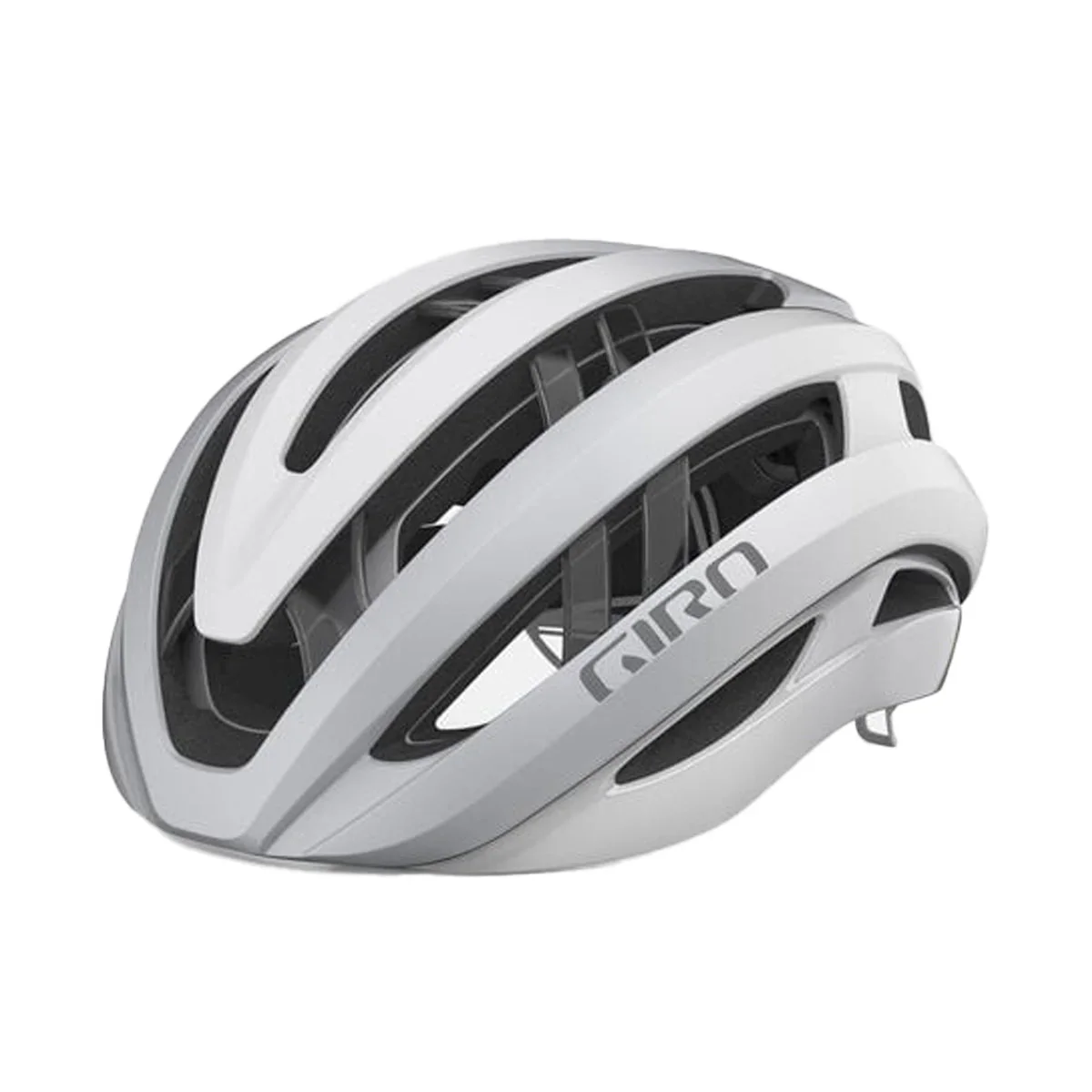
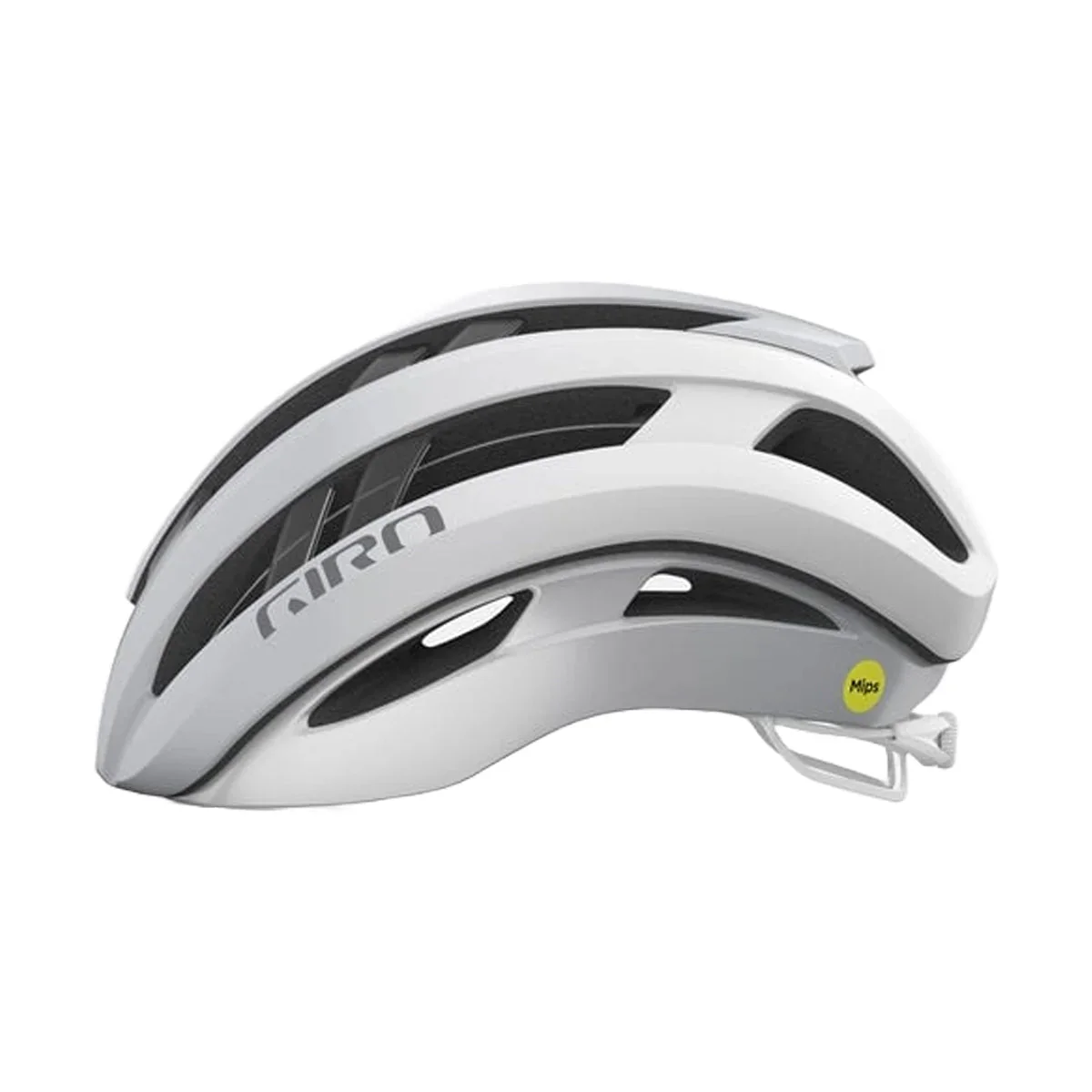
The Giro Aries Spherical meets
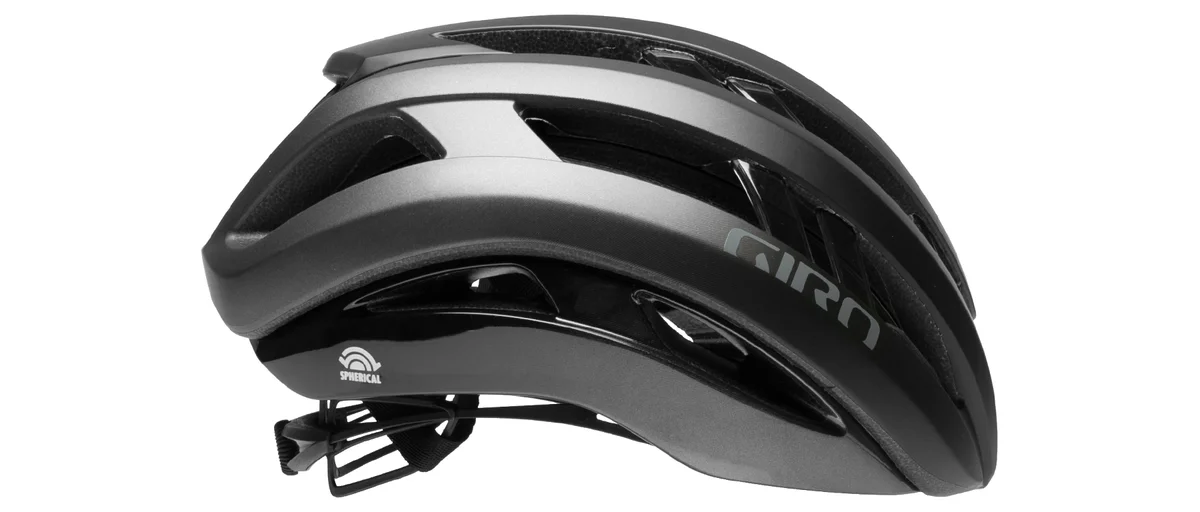
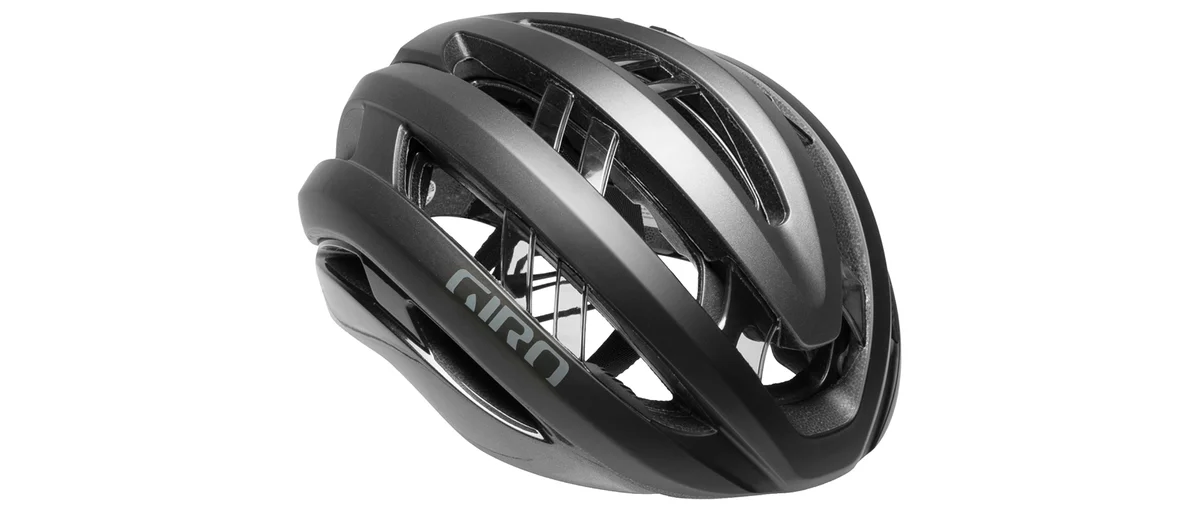
the Trek Starvos WaveCel
Top-tier safety and class-leading ventilation in one premium lid. We tested it head-to-head against the Trek Starvos WaveCel across 7 key dimensions.
Giro Aries Spherical
“Top-tier safety and class-leading ventilation in one premium lid”
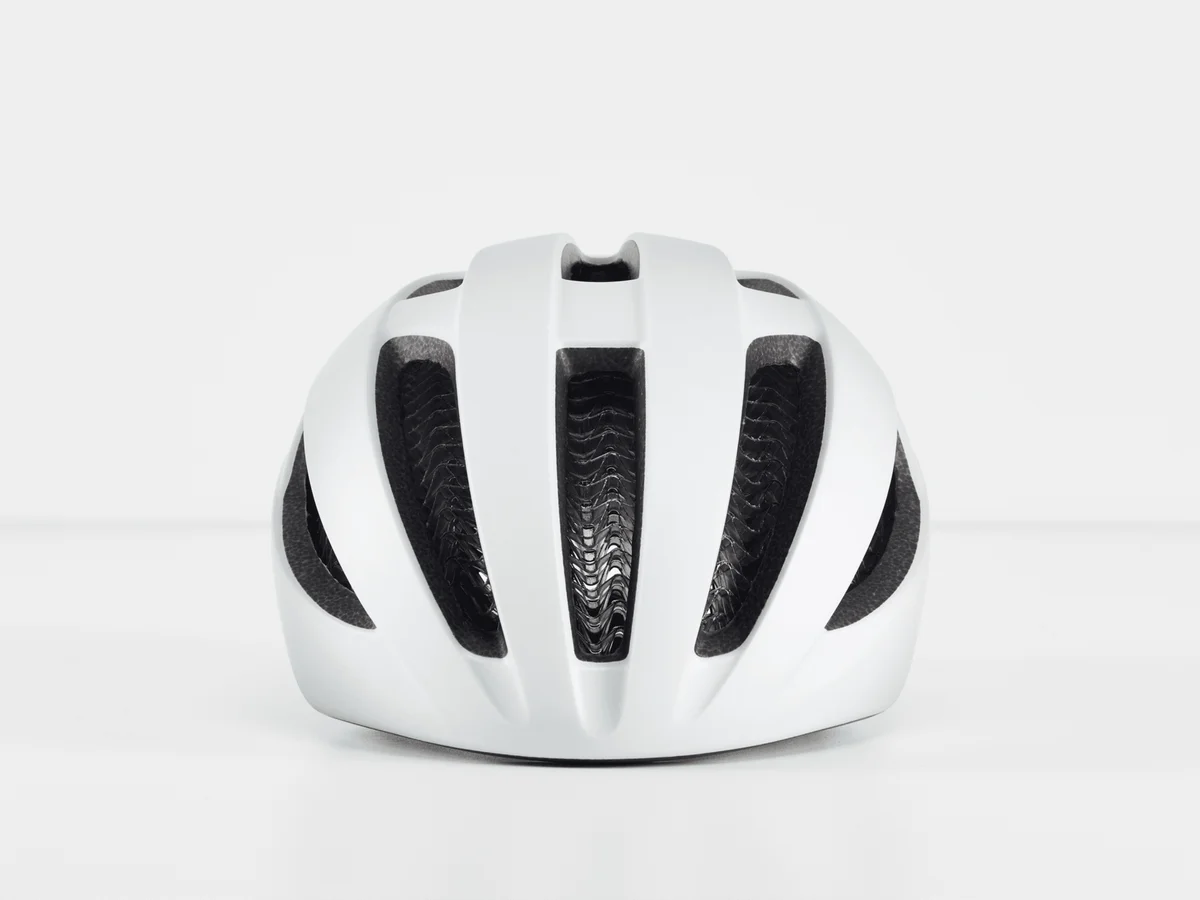
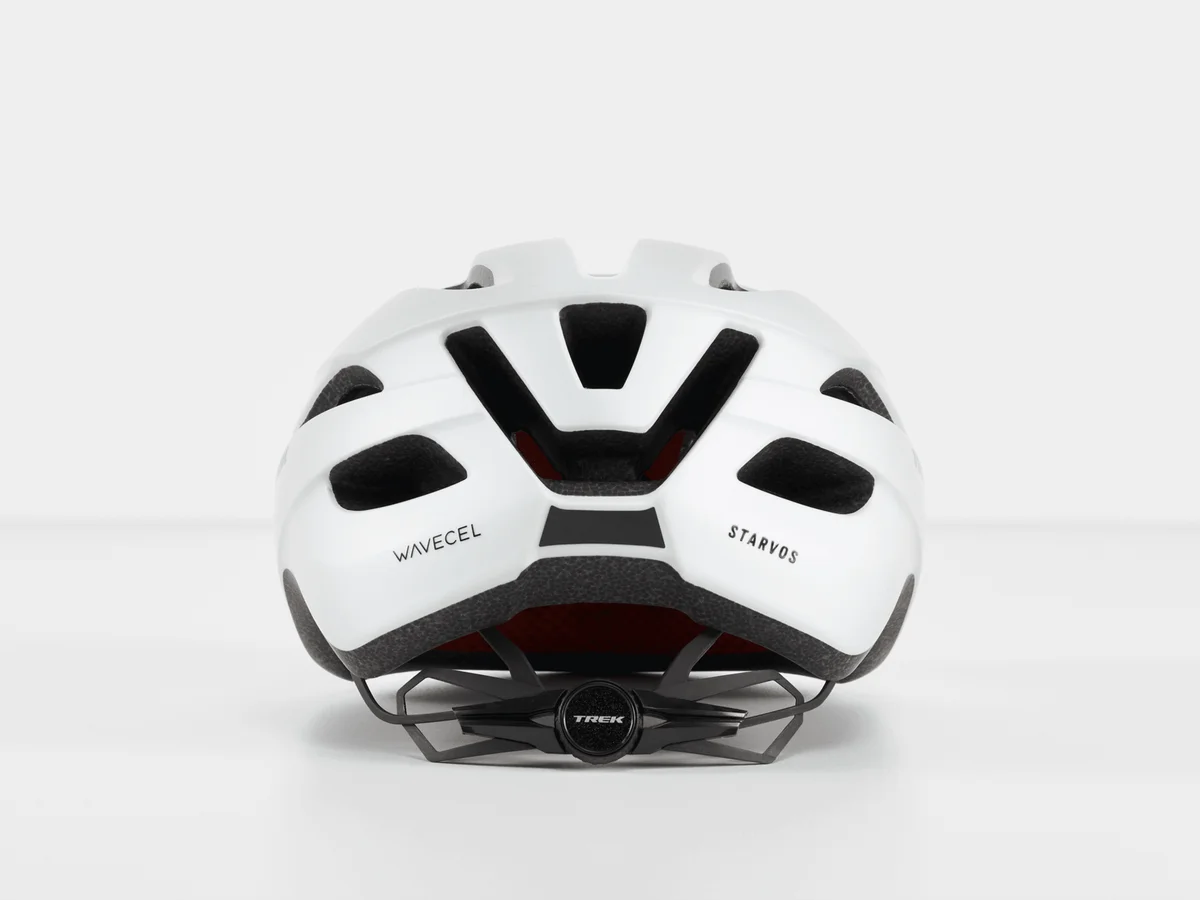
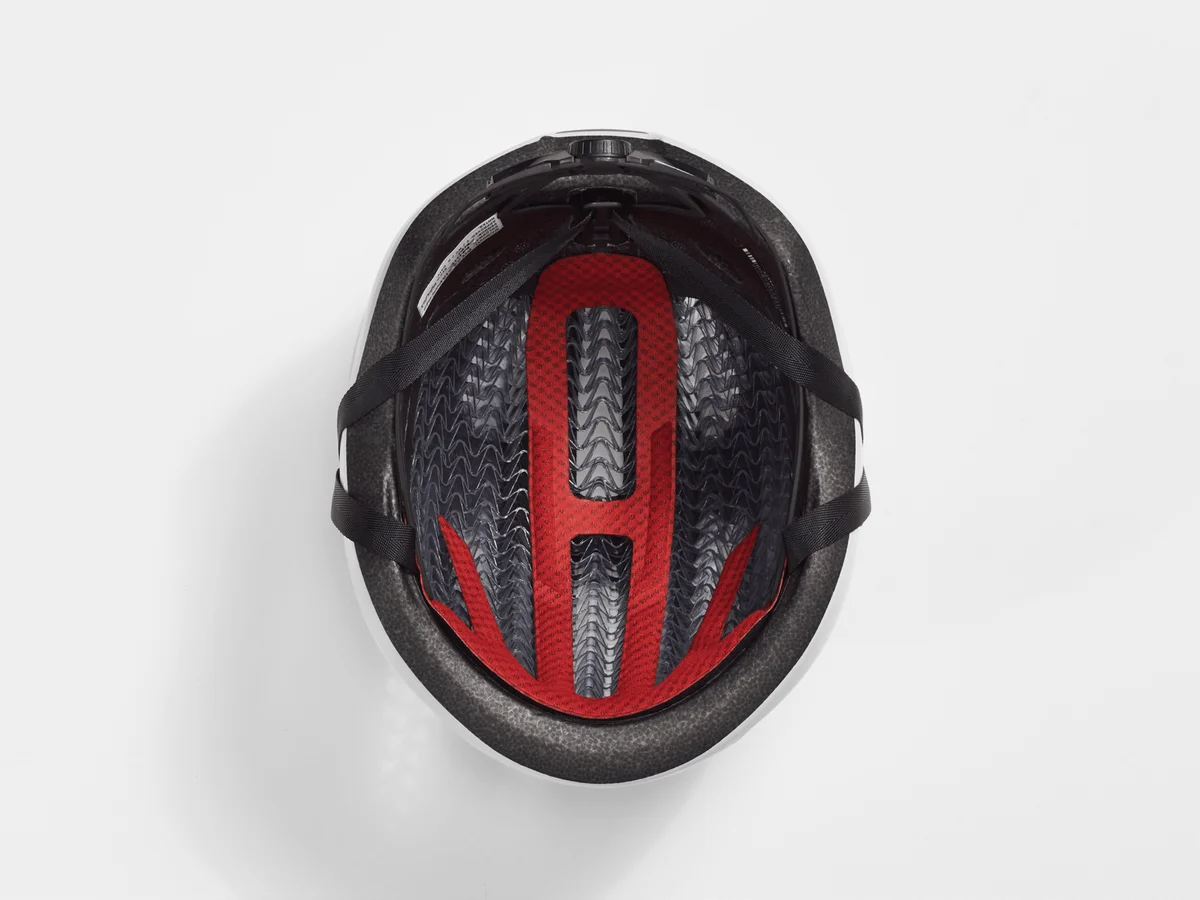
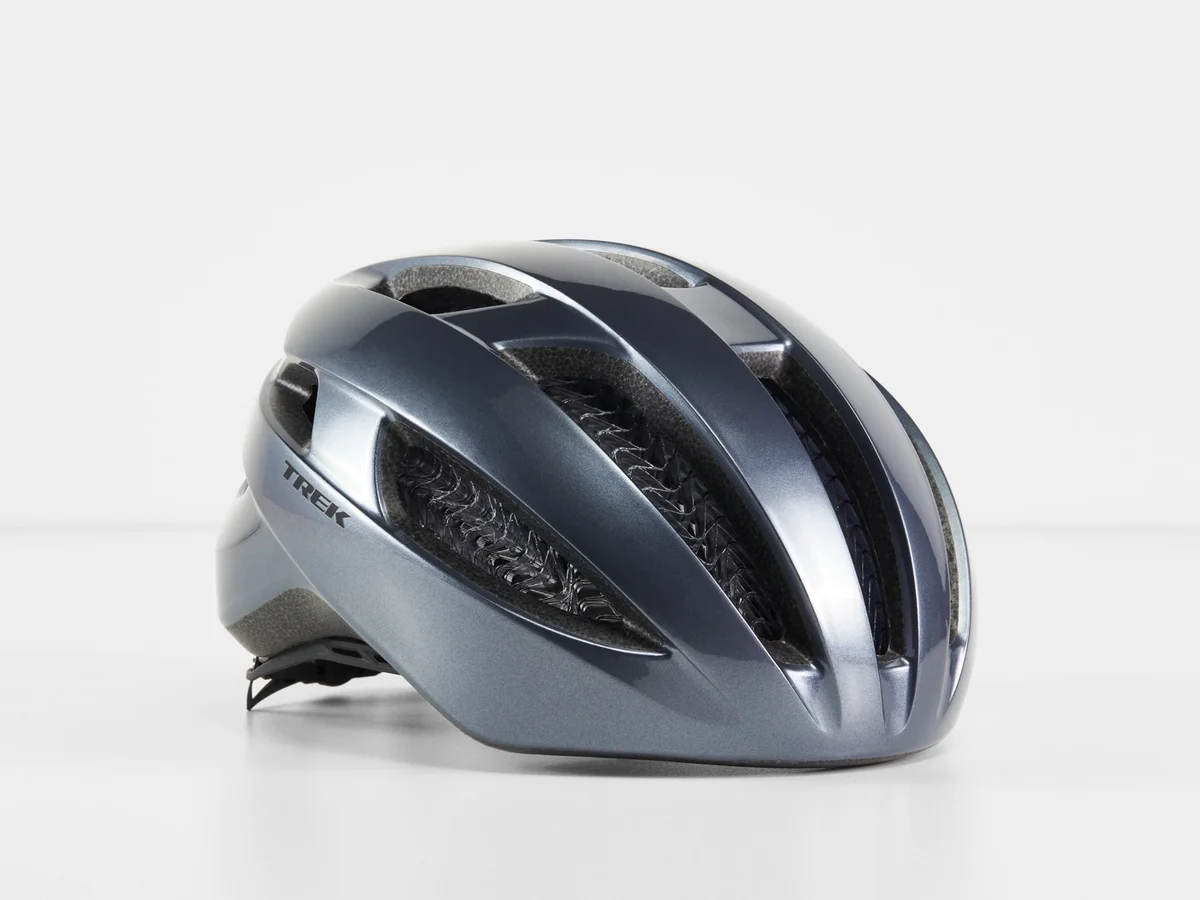
Trek Starvos WaveCel
“WaveCel crash protection at a fraction of premium prices”
Head-to-Head Breakdown
Strengths & Weaknesses
Giro Aries Spherical
- Earned a 5-star Virginia Tech rating and ranks as a top-four road helmet for safety
- Best-ventilated helmet Wirecutter reviewed, with big AURA II reinforced vents
- Among the lightest premium road helmets, with a luxurious Roc Loc 5 fit (Bikerumor)
- The most expensive pick by a wide margin (Wirecutter)
- The ball-and-socket Spherical liner can rub on long rides when you push it up (Velo)
- Overkill for casual riders who do not need race-level aero and venting
Trek Starvos WaveCel
- Consumer Reports ranked it the number one bike helmet overall at 90 out of 100
- WaveCel cellular liner adds rotational-impact protection beyond standard foam
- Lightweight and aerodynamic with an excellent crash-replacement policy (Wirecutter)
- Does not breathe as well in an upright riding position (Wirecutter)
- Less versatile than top road picks for fast group rides (Wirecutter)
- Its Virginia Tech score trails the 5-star race helmets
The Verdict
Our Bottom Line
The Giro Aries Spherical wins because it refuses to trade safety for comfort or speed. Virginia Tech's helmet lab, the most cited independent crash-testing program in cycling, gave it a 5-star rating and ranked it among the four safest road helmets it has tested. Wirecutter went further, noting it topped Virginia Tech's safety results at the time of testing while also being the lightest and best-ventilated helmet in their group. That combination is rare. Most helmets that vent this well give up structure, and most that test this safe feel hot. The Aries uses Giro's Spherical liner, a ball-and-socket design built on MIPS that lets the shell rotate slightly during an angled impact, plus AURA II reinforcement arches that let Giro cut huge vents without weakening the shell. Bikerumor called the fit luxurious and singled out the Roc Loc 5 dial, and Velo praised the deep, open channels that pull air across your scalp. It is a helmet that disappears on your head, which is exactly what you want on a long ride.
Giro Aries Spherical
The Giro Aries Spherical wins because it refuses to trade safety for comfort or speed. Virginia Tech's helmet lab, the most cited independent crash-testing program in cycling, gave it a 5-star rating and ranked it among the four safest road helmets it has tested. Wirecutter went further, noting it topped Virginia Tech's safety results at the time of testing while also being the lightest and best-ventilated helmet in their group. That combination is rare. Most helmets that vent this well give up structure, and most that test this safe feel hot. The Aries uses Giro's Spherical liner, a ball-and-socket design built on MIPS that lets the shell rotate slightly during an angled impact, plus AURA II reinforcement arches that let Giro cut huge vents without weakening the shell. Bikerumor called the fit luxurious and singled out the Roc Loc 5 dial, and Velo praised the deep, open channels that pull air across your scalp. It is a helmet that disappears on your head, which is exactly what you want on a long ride.
- You ride road or fast all-round miles and want proven top-tier safety
- Hot-weather comfort matters, so class-leading ventilation is worth paying for
- You want one of the lightest premium helmets on the market
- You will spend $300 for the best blend of safety, cooling and fit
- You value an established brand with a polished dial-fit system
Trek Starvos WaveCel
The Trek Starvos WaveCel proves you do not need to spend $300 to get advanced crash protection. Consumer Reports, which crash-tests helmets in its own lab, ranked it the number one bike helmet overall with a score of 90 out of 100. At roughly $115, it costs a third of our top pick. Its headline feature is WaveCel, a collapsible cellular liner that crumples and flexes on impact to blunt the rotational forces tied to concussions, an alternative to the MIPS approach most rivals use. Wirecutter named it a top pick and highlighted its low weight, aerodynamic shape and Trek's standout crash-replacement policy, which sends you a discounted replacement if you crash in it. For a commuter or everyday rider, that is a lot of protection and peace of mind for the money.
- You commute or ride daily and want strong crash protection on a budget
- Rotational-impact protection matters to you, in this case WaveCel
- You want a trusted brand and a crash-replacement guarantee
- Around $115 fits your budget far better than a $300 race helmet
- You ride at moderate speeds where maximum venting is less critical