The DJI RS4 Mini meets
the DJI Osmo Mobile 8
Flagship mirrorless stabilization shrunk into a grab-and-go body. We tested it head-to-head against the DJI Osmo Mobile 8 across 7 key dimensions.
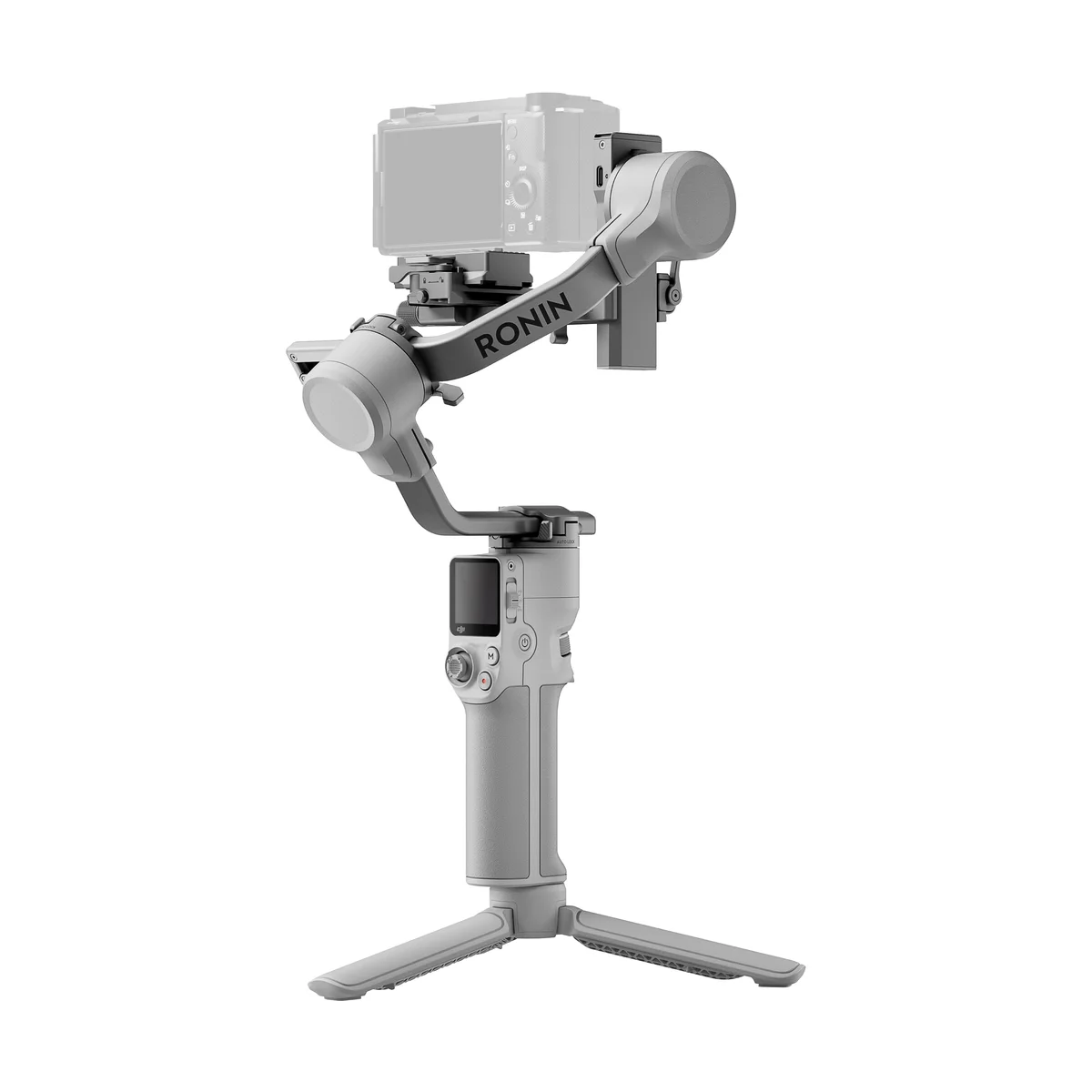
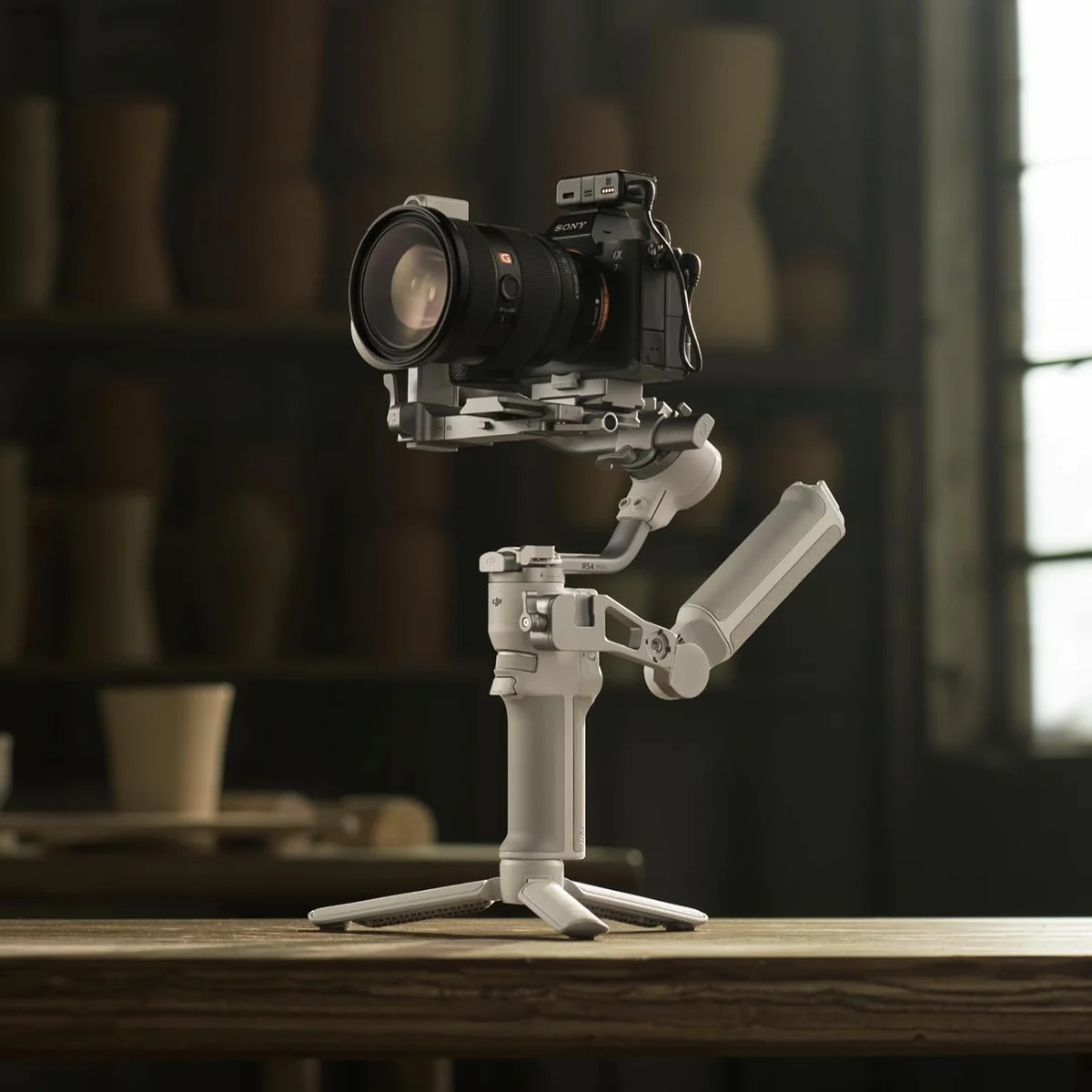

DJI RS4 Mini
“Flagship mirrorless stabilization shrunk into a grab-and-go body”
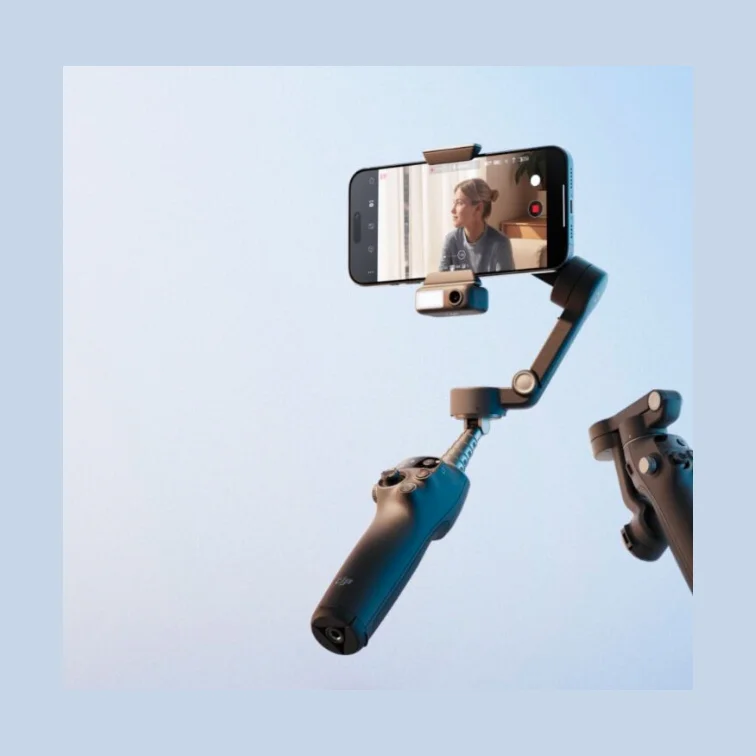
DJI Osmo Mobile 8
“The phone gimbal that bundles an AI tracker and a mic receiver for $149”
Head-to-Head Breakdown
Strengths & Weaknesses
DJI RS4 Mini
- Redesigned larger motors balanced a Sony A7S3 with heavy lenses without grumbling, per Jeven Dovey
- Auto-locking arms snap shut at power-off, which Matt Johnson called the fastest setup of any small gimbal
- One-knob horizontal-to-vertical swap needs no extra accessories, per Matt Johnson
- Magnetic AI tracker locks on by hand gesture with no phone app required, per Jeven Dovey
- The tracking module sits over the camera and has to come off during balancing, a gripe Mark Bennett raised
- Carbon-fiber arms and a swappable battery grip stay locked to the pricier RS4 Pro, per Matt Johnson
- Essential extras like the tracker and briefcase handle only ship in the costlier combo kit, per Mark Bennett
DJI Osmo Mobile 8
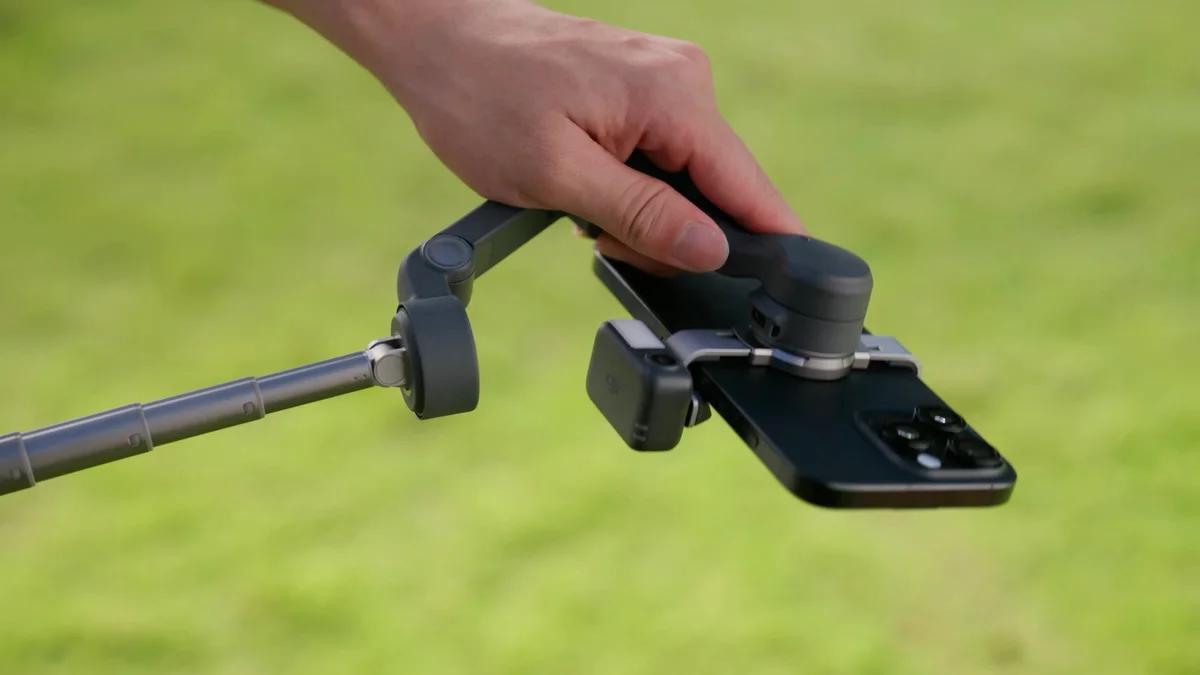
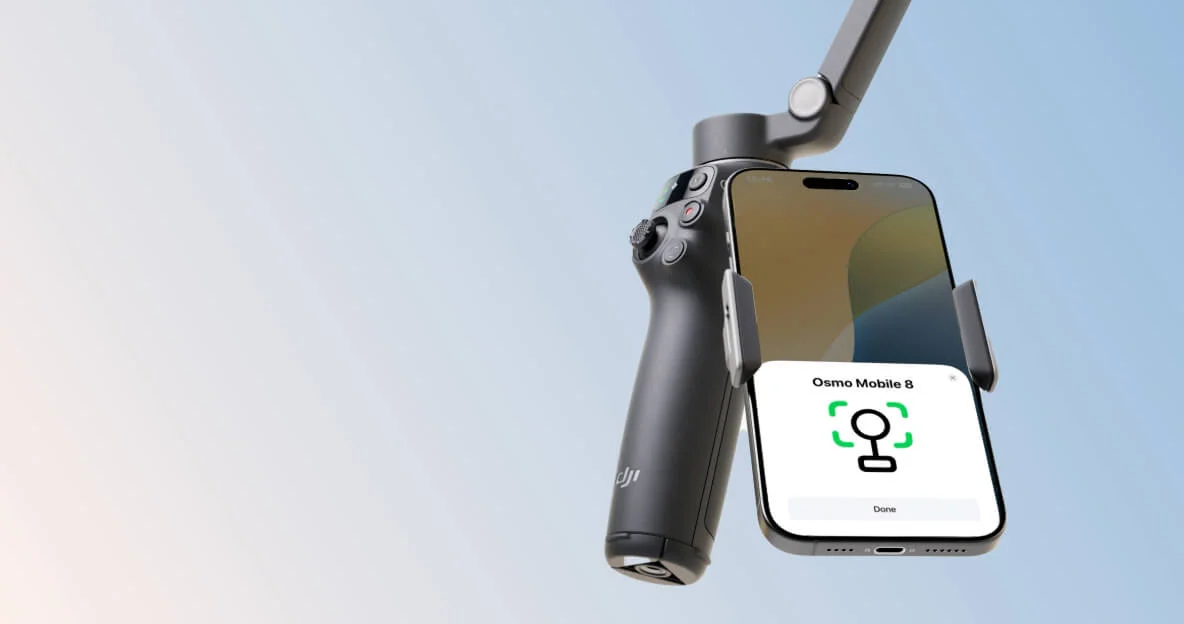
- AI tracker ships inside the $149 box and doubles as a DJI wireless mic receiver, per Versus, Think Media and MountMedia
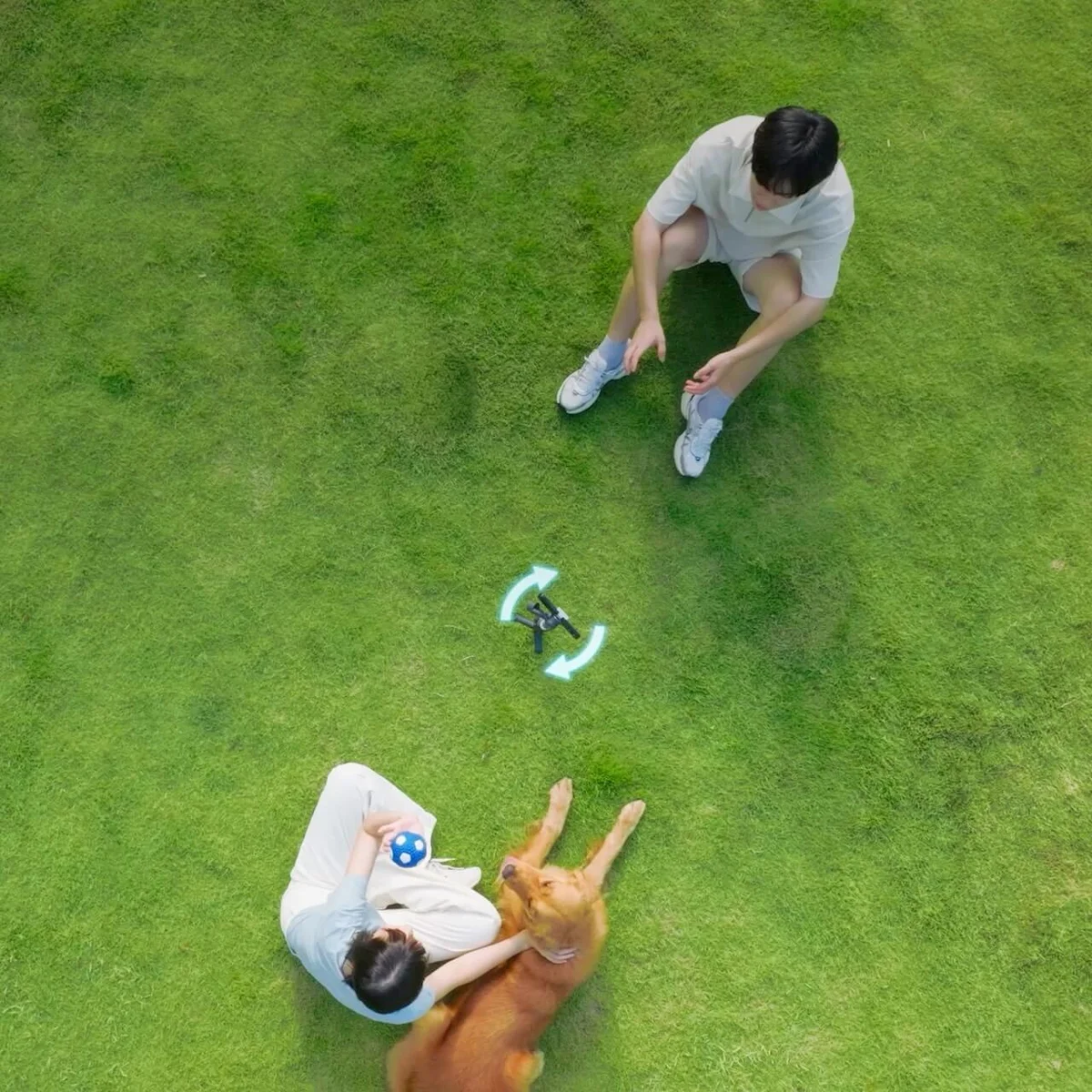
- Infinite 360-degree pan lets it follow you around a room from a tabletop, per FlytPath, MountMedia and Versus
- Native Apple DockKit tracking works inside the stock Camera, Instagram and TikTok apps, per FlytPath and MountMedia
- Tracking stayed locked while Versus sprinted and repeatedly ducked behind trees
- Built-in tripod legs are short and tip over easily when extended, per FlytPath and MountMedia
- Tilt range maxes out and glitches on steep crane shots, per MountMedia and Think Media
- It follows one selected face and cannot frame a group like the Insta360 rival, per FlytPath and Versus
The Verdict
Our Bottom Line
The DJI RS4 Mini wins because it brings the company's flagship gimbal engineering down to a body you will actually carry. Matt Johnson mounted a Sony A7S3 with a 24-70mm f/2.8, then pushed it further with a 135mm, and the redesigned larger motors held the rig without the grumbling he heard from the older RS3 Mini. Jeven Dovey went heavier still with a 28-70mm f/2 and balanced it cleanly using the micro-adjustment plate.
DJI RS4 Mini
The DJI RS4 Mini wins because it brings the company's flagship gimbal engineering down to a body you will actually carry. Matt Johnson mounted a Sony A7S3 with a 24-70mm f/2.8, then pushed it further with a 135mm, and the redesigned larger motors held the rig without the grumbling he heard from the older RS3 Mini. Jeven Dovey went heavier still with a 28-70mm f/2 and balanced it cleanly using the micro-adjustment plate.
- You shoot on a mirrorless or DSLR body and need real motor strength
- You balance heavier setups like a full-frame camera with a 24-70mm f/2.8
- You want flagship DJI features without carrying a full-size pro rig
- You film yourself solo and want app-free gesture tracking
- You earn money from your footage and value fast setup between takes
DJI Osmo Mobile 8
The DJI Osmo Mobile 8 delivers the most gimbal per dollar because DJI stopped charging extra for the parts that matter. Versus chose it for value outright, noting that the AI tracker is in the $149 box while Insta360 charges $20 to $30 more for its module. That tracker pulls double duty as a receiver for DJI's wireless microphones, so Think Media and MountMedia could pipe clean audio straight into a phone without bolting anything else onto the rig.
- You shoot exclusively on a smartphone
- You are a travel vlogger or social creator on a budget
- You want the AI tracker and wireless mic receiver included, not as add-ons
- You value all-day, fatigue-free carry at 370 grams
- You record in stock apps and want native DockKit tracking