The Best Yoga Mats
Verified by
 Ryan V. Editor-in-Chief
When you purchase through links on our site, we may earn an affiliate commission.
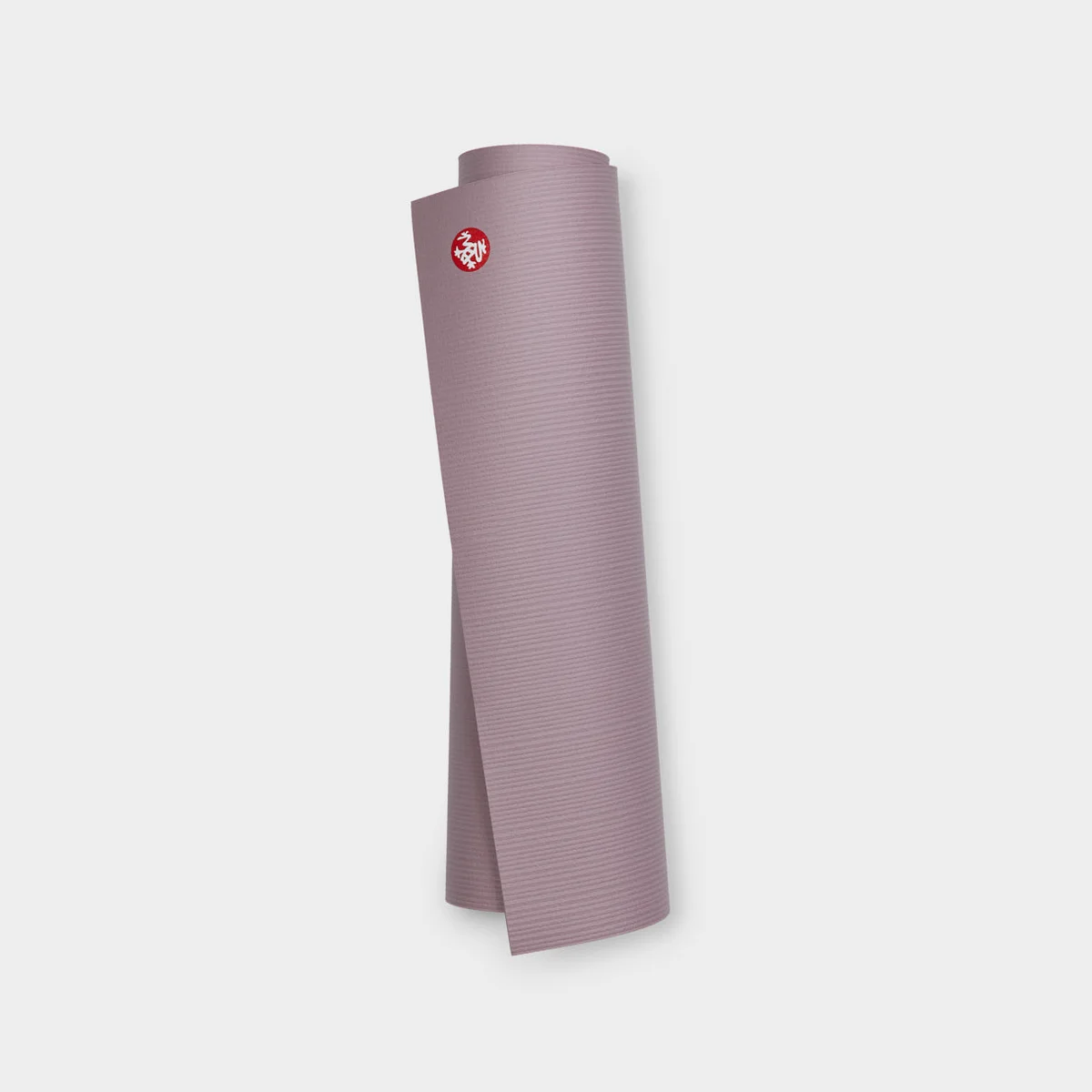
The Manduka PRO is the rare product that nearly every independent test agrees on. OutdoorGearLab ranked it first overall at 91 out of 100 after more than 200 hours of hands-on practice, and Treeline Review placed it second behind only a sweat-specialist mat. The reason is consistency. The dense 6mm closed-cell deck gives you the most stable, joint-friendly platform in the group, supportive enough for arm balances and inversions without the sponginess that makes thicker foam mats feel unstable.
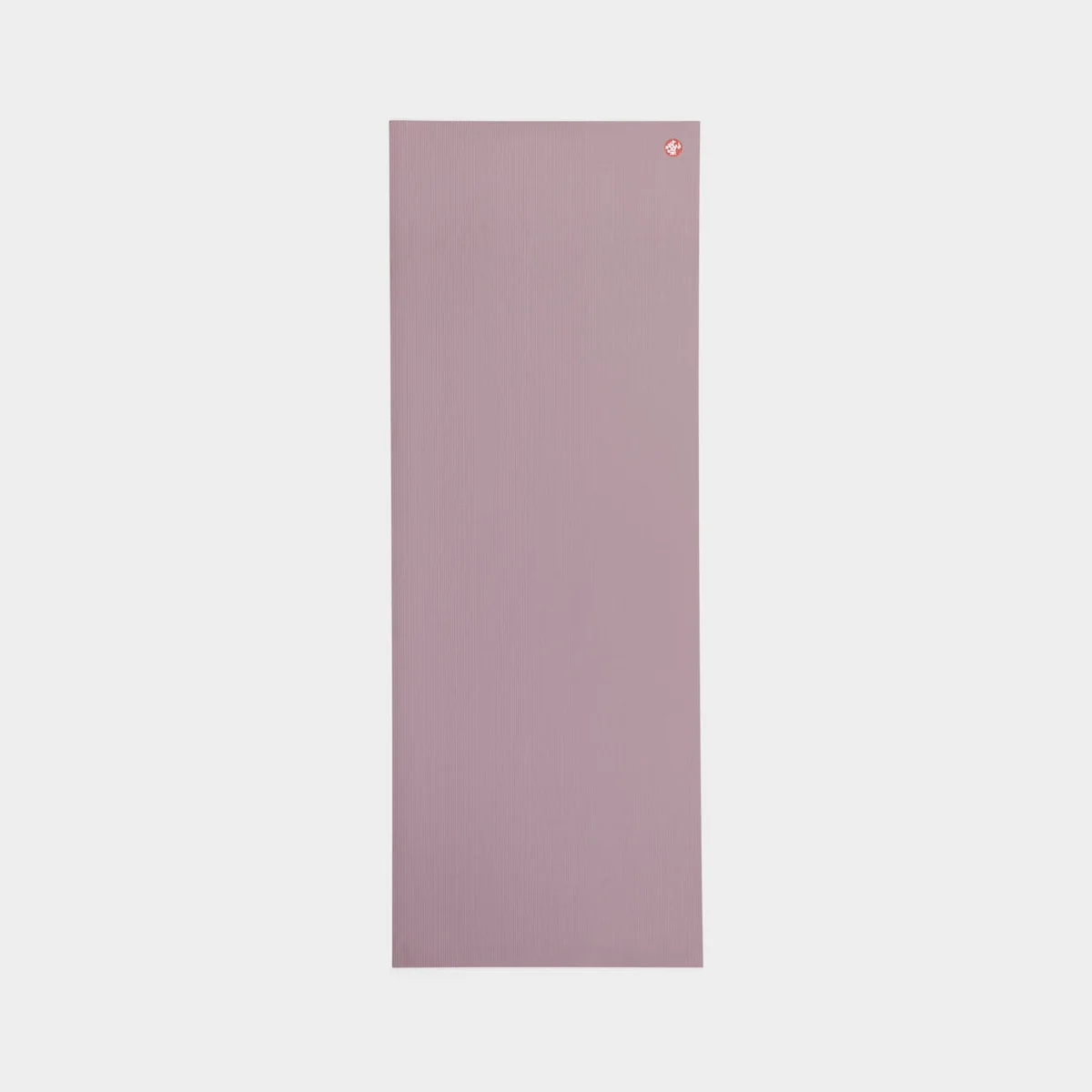
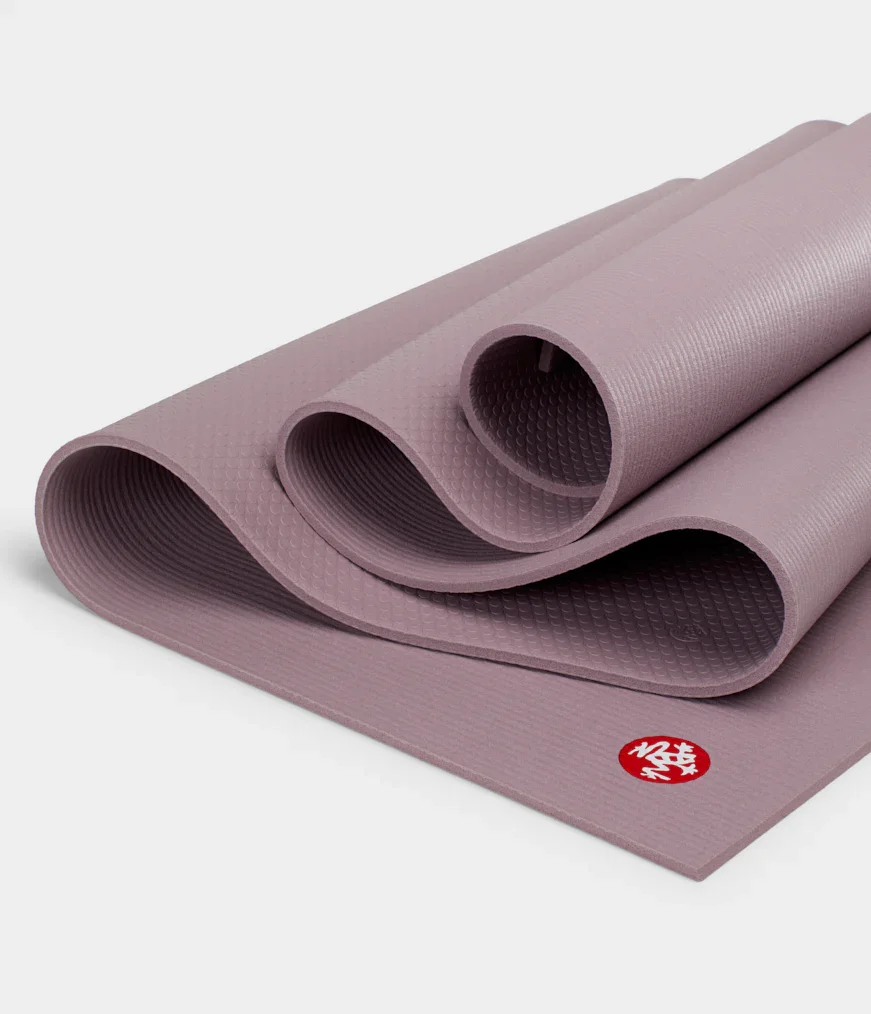
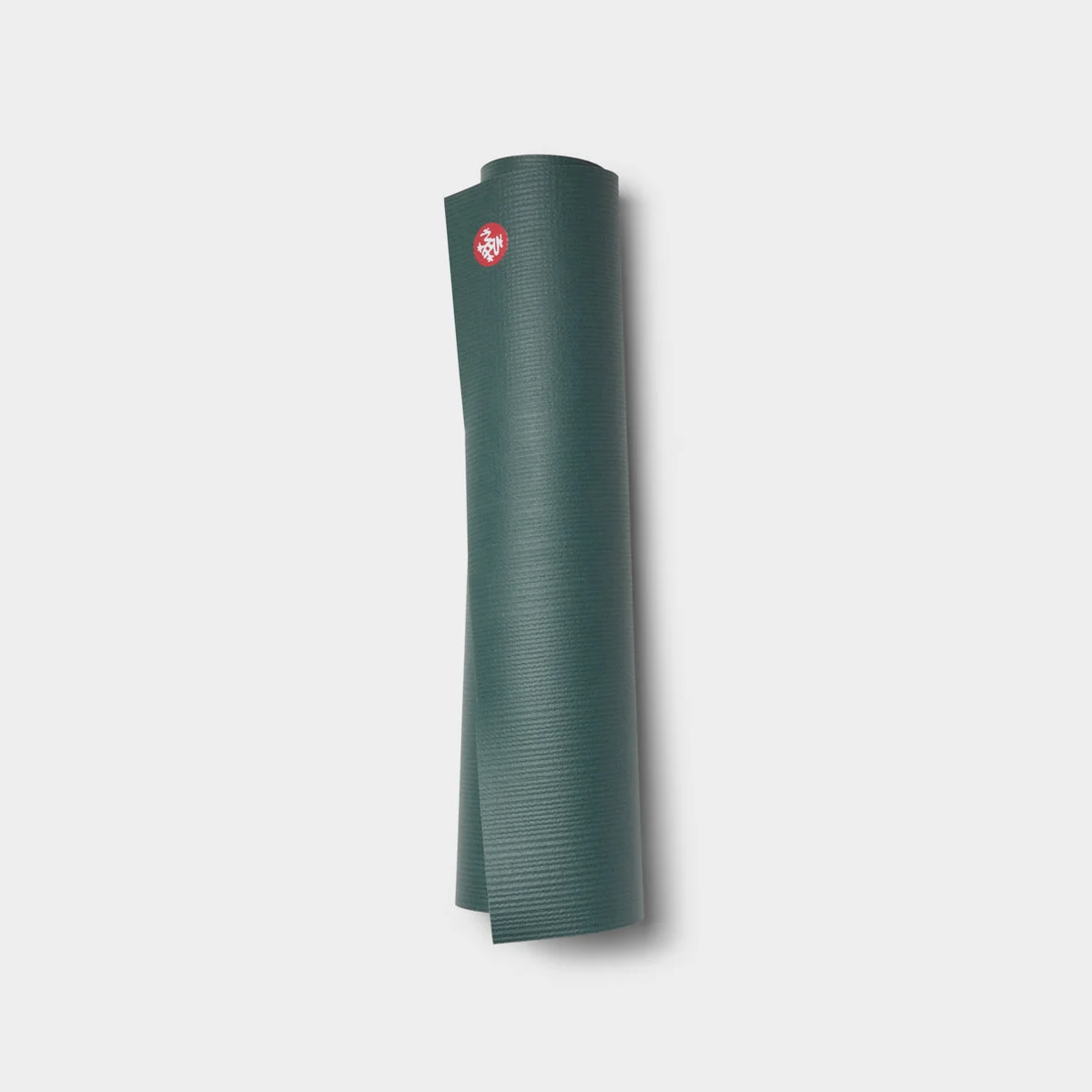
What separates the PRO from everything else is longevity. Yoga Journal calls it the mat "you will never need to replace," and Manduka backs that with a lifetime guarantee. EverydayYoga's sweat testing confirmed the closed-cell surface does not absorb moisture or bacteria the way open-cell rubber does, so it stays hygienic across years of daily use. Several reviewers who bought one a decade ago still practice on it.
The surface does ask for patience. OutdoorGearLab and other testers all mention a break-in period where the grip feels slick until the top layer is conditioned. Once broken in, traction is dependable for most practices. For a serious practitioner who wants one mat that earns its keep over the long run, the consensus across all six sources points here.
What It Won't Do
The PRO is heavy. At 7.5 lb it is the bulkiest mat we evaluated, and Treeline specifically steers travelers away from it. The grip also needs a genuine break-in stretch before it feels secure, which can frustrate buyers expecting instant traction out of the box.
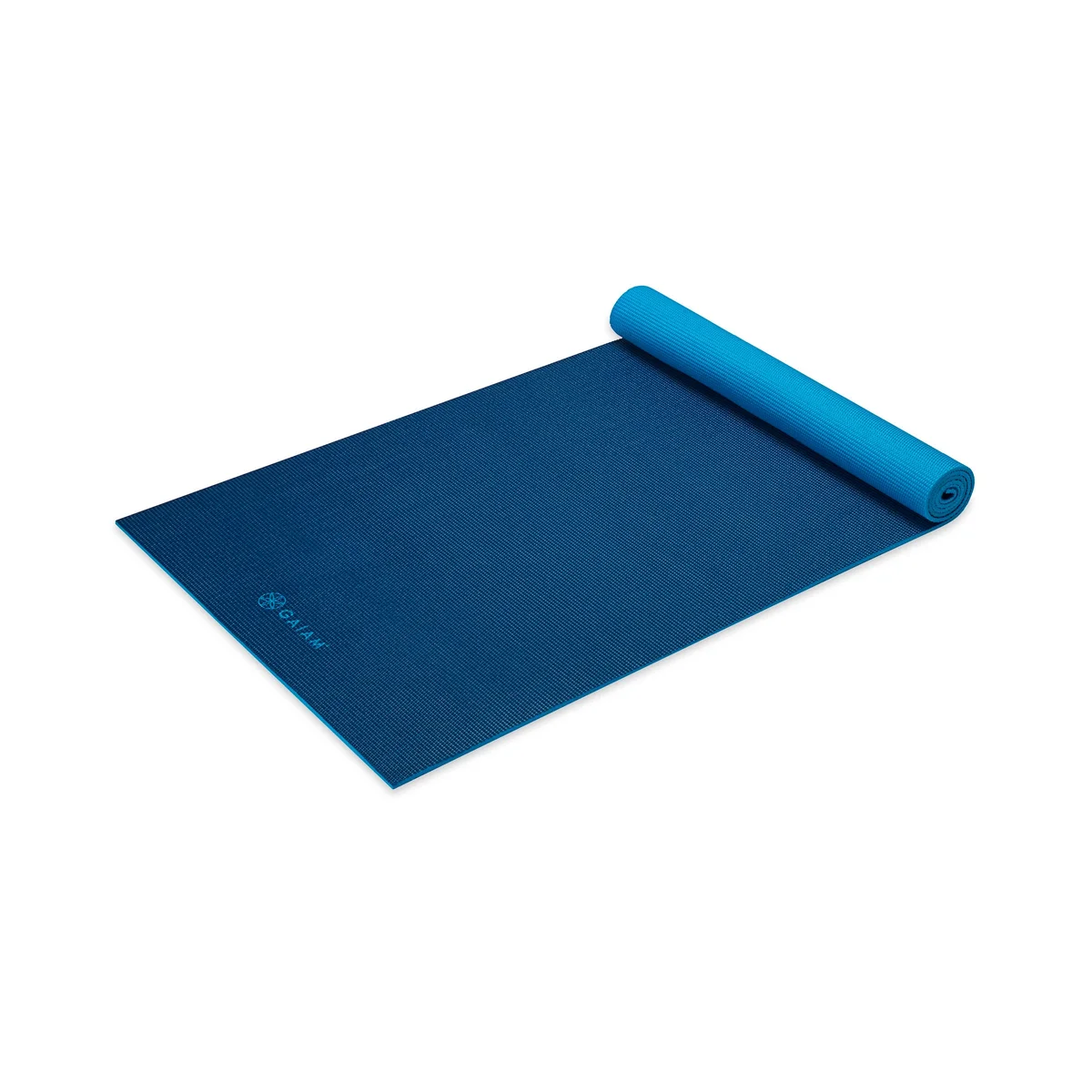
The Gaiam Premium proves you do not need to spend much to get a comfortable, usable mat. Yoga Journal named it the Best Budget pick at roughly 25 dollars, and Reviewed gave it the Best Value award outright. The 6mm foam delivers forgiving cushion that OutdoorGearLab recommended specifically for beginners, and at 3.26 lb it is light enough to roll up and carry to class without a second thought.
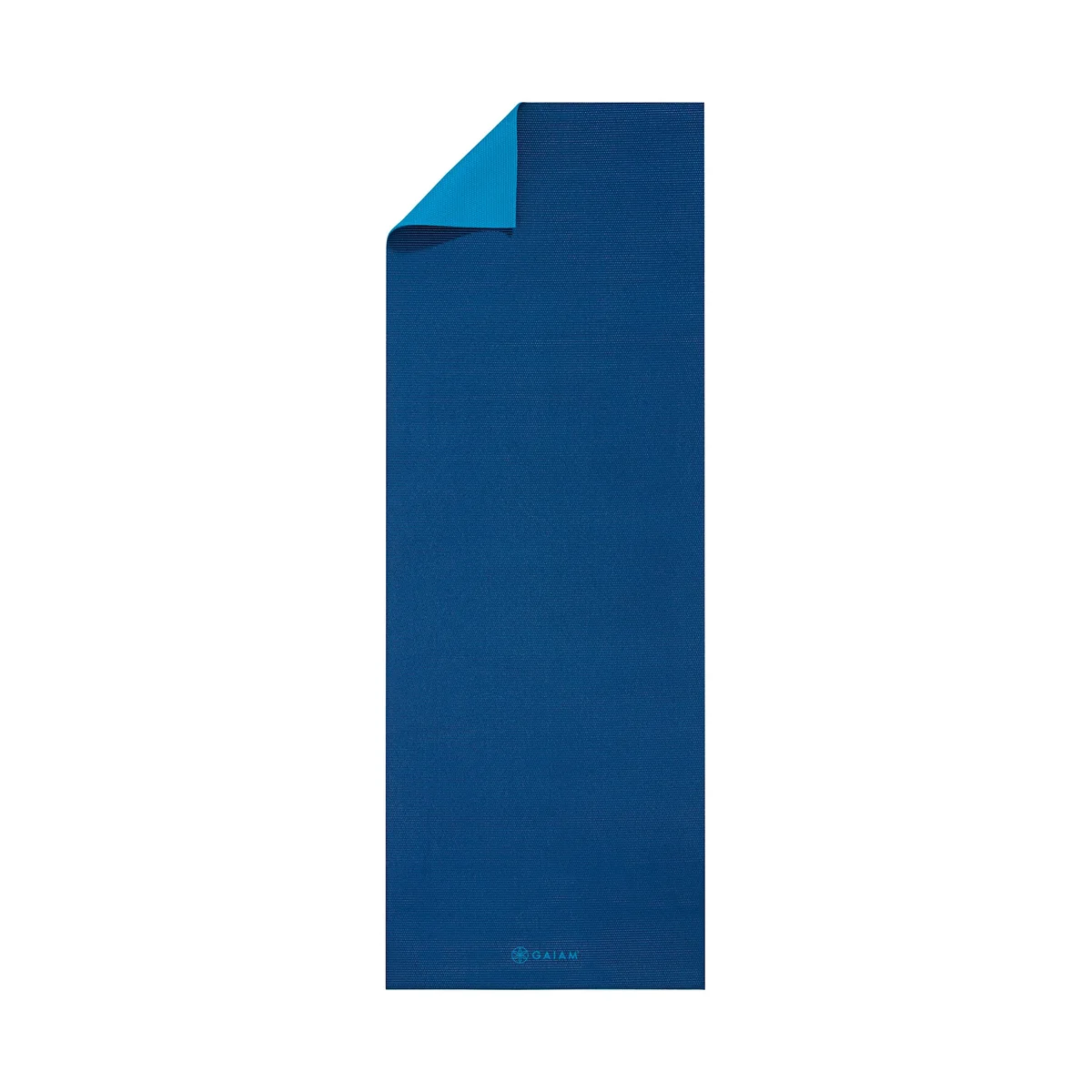
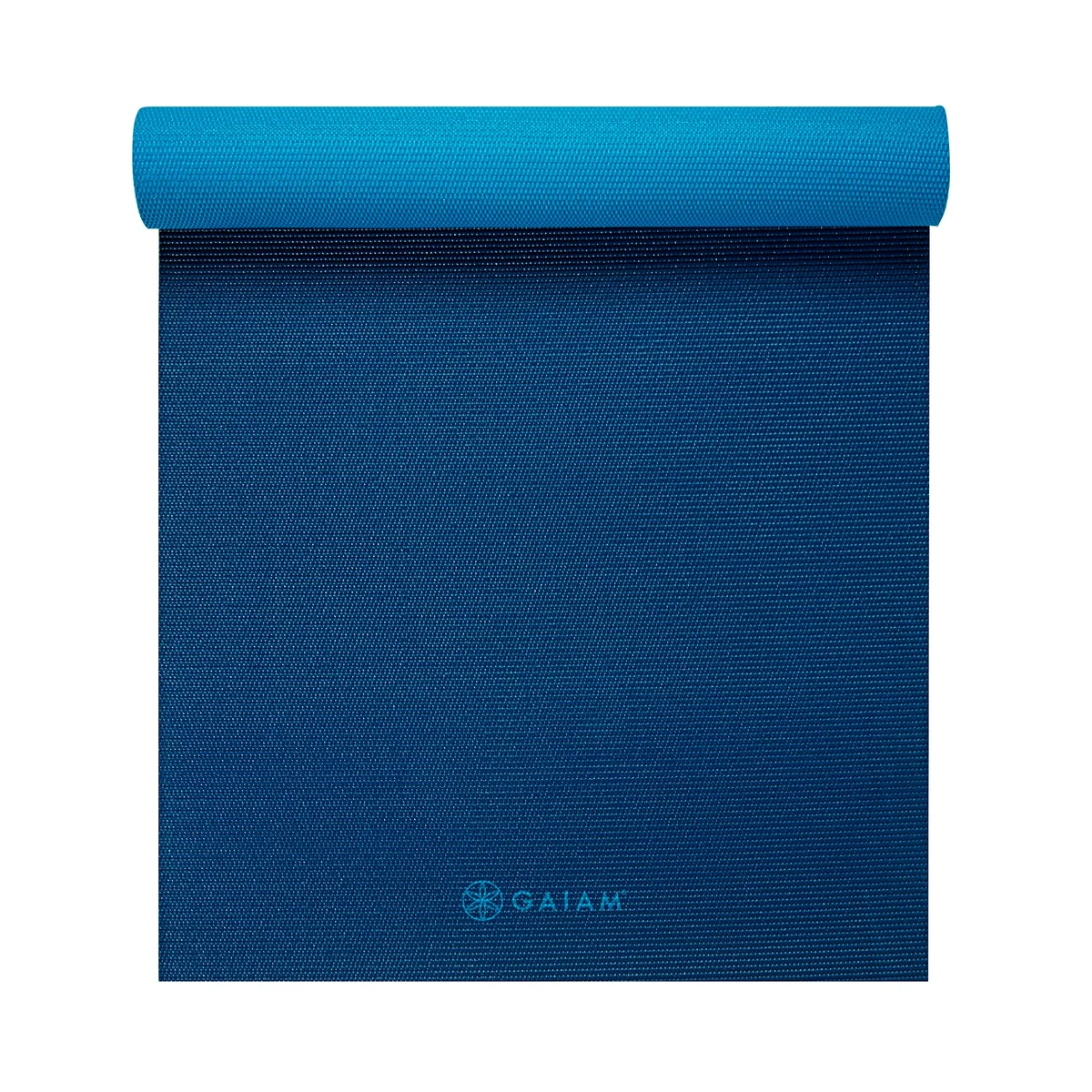
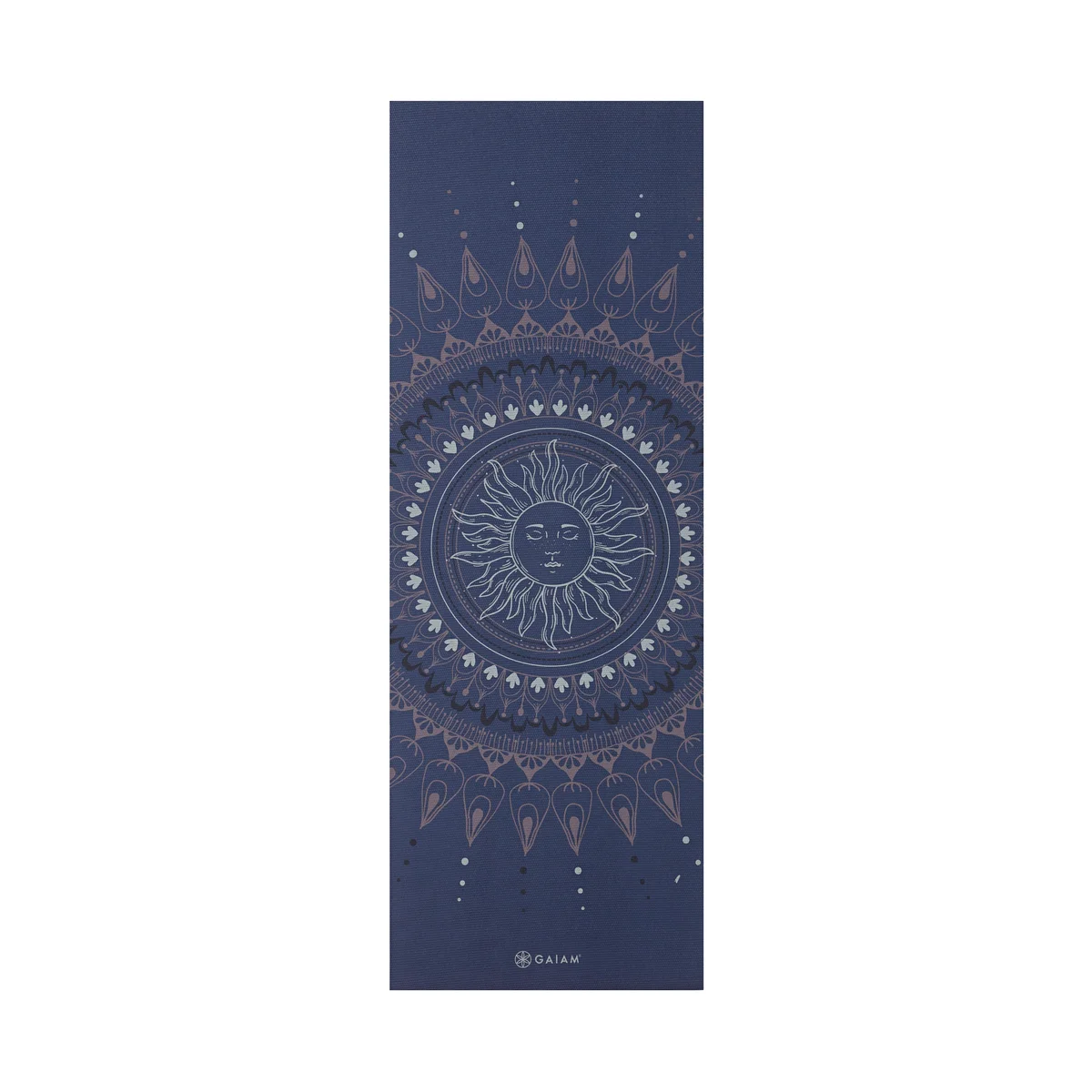
The value math is straightforward. You are paying less than a quarter of the Manduka PRO's price for a mat that handles gentle and moderate practice perfectly well. For new practitioners deciding whether yoga sticks, or occasional users who want something cushioned in the closet, it covers the essentials without waste.
The tradeoffs are honest and predictable. Reviewed found the foam surface turns slippery once sweat builds during faster flows, and OutdoorGearLab noted it picks up dirt and shows wear faster than rubber mats. This is a mat that does its job at its price, not one built to last a decade.
What It Won't Do
The foam gets slick when you sweat, so it struggles in hot yoga or fast vinyasa. It also wears noticeably faster than rubber or closed-cell mats, and the PVC build is the least eco-friendly material in our lineup.
Who Should Buy Which
Manduka PRO
The reference-standard mat that outlasts every trend.
- Practitioners who practice several times a week and want one mat for the long haul
- Anyone who values a stable, supportive deck for balances and inversions
- Buyers who want a lifetime guarantee and proven durability
- People who keep a dedicated home mat rather than carrying one daily
Gaiam Premium Yoga Mat
The entry mat that reviewers keep naming the smart budget buy.
- Beginners testing whether a regular yoga habit will stick
- Occasional or gentle-practice users who want cushion without the cost
- Anyone who needs a light mat to carry to studio classes
- Shoppers on a tight budget who can replace a mat every couple of years