The ASUS RT-BE96U meets
the TP-Link Deco BE25
Tri-band Wi-Fi 7 powerhouse with no subscription paywalls. We tested it head-to-head against the TP-Link Deco BE25 across 6 key dimensions.
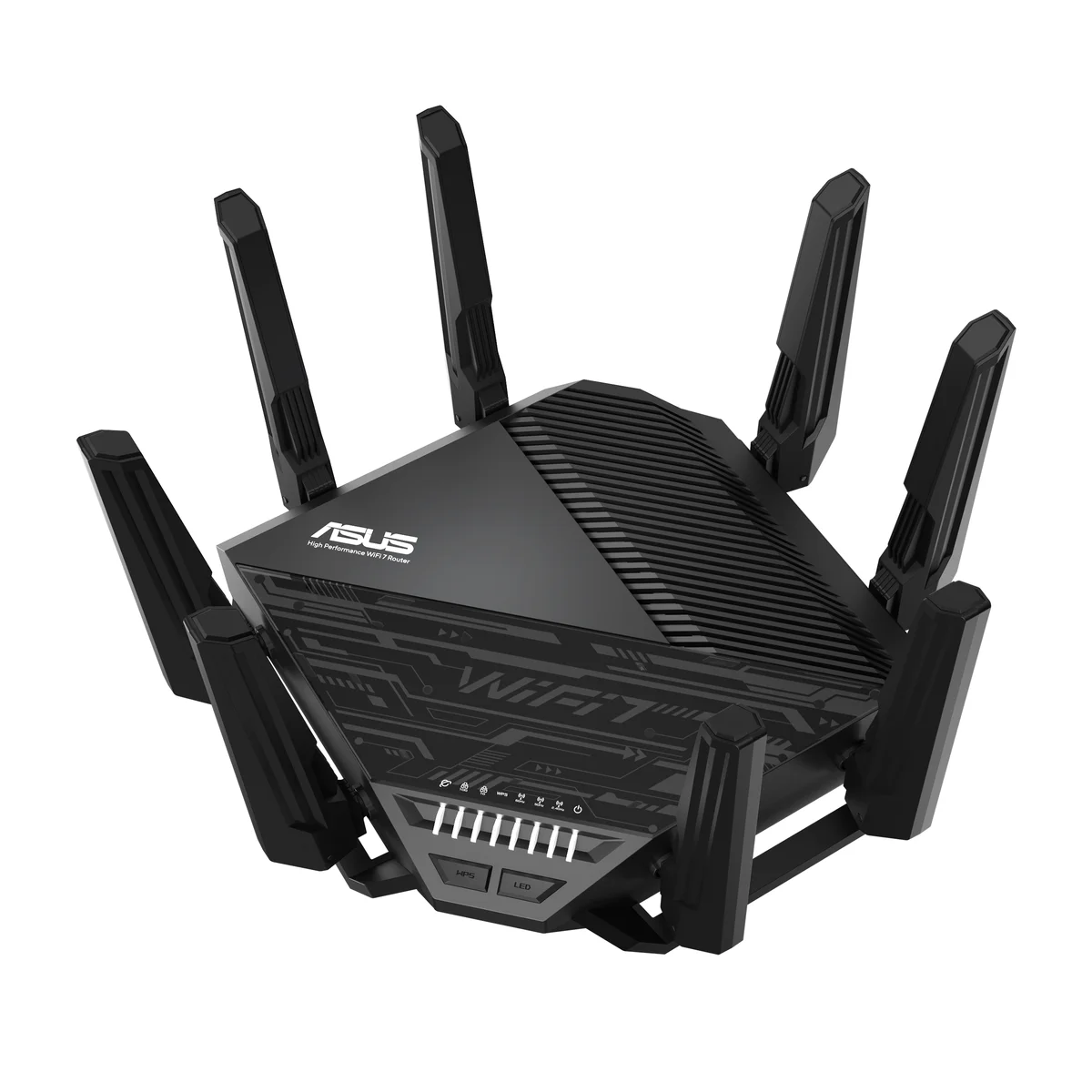
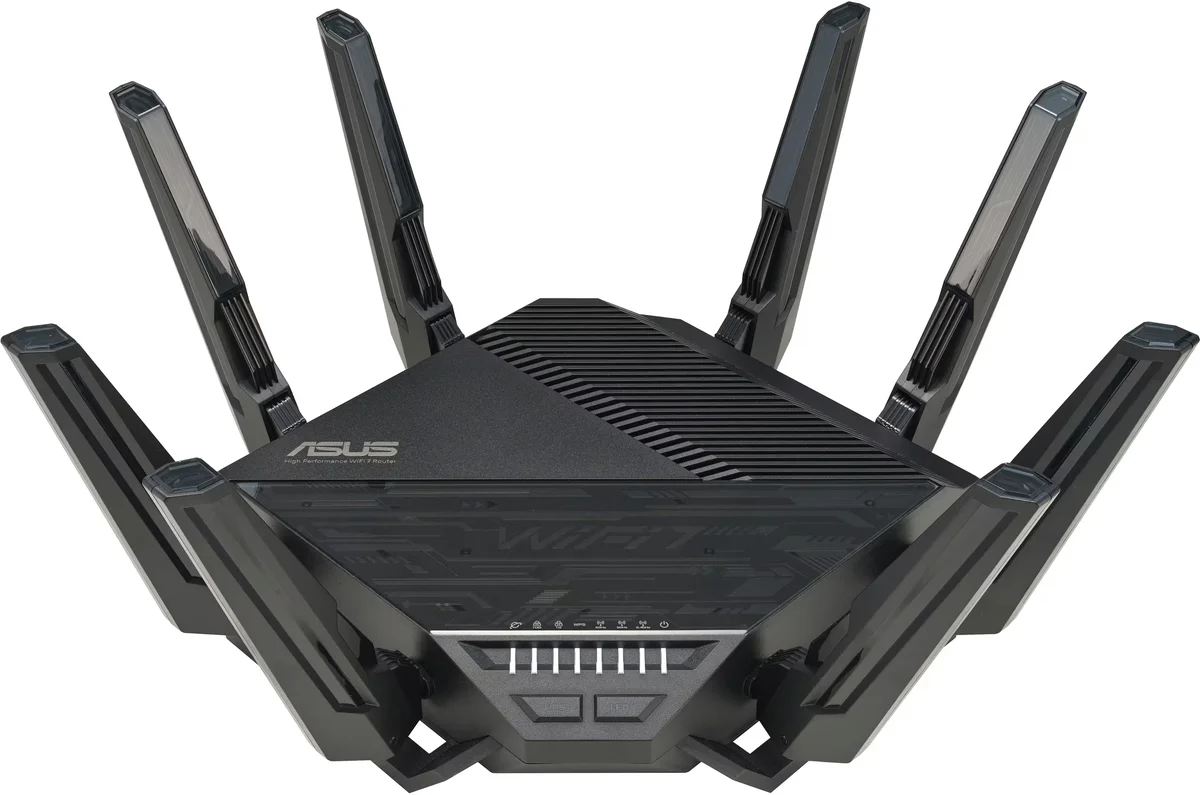
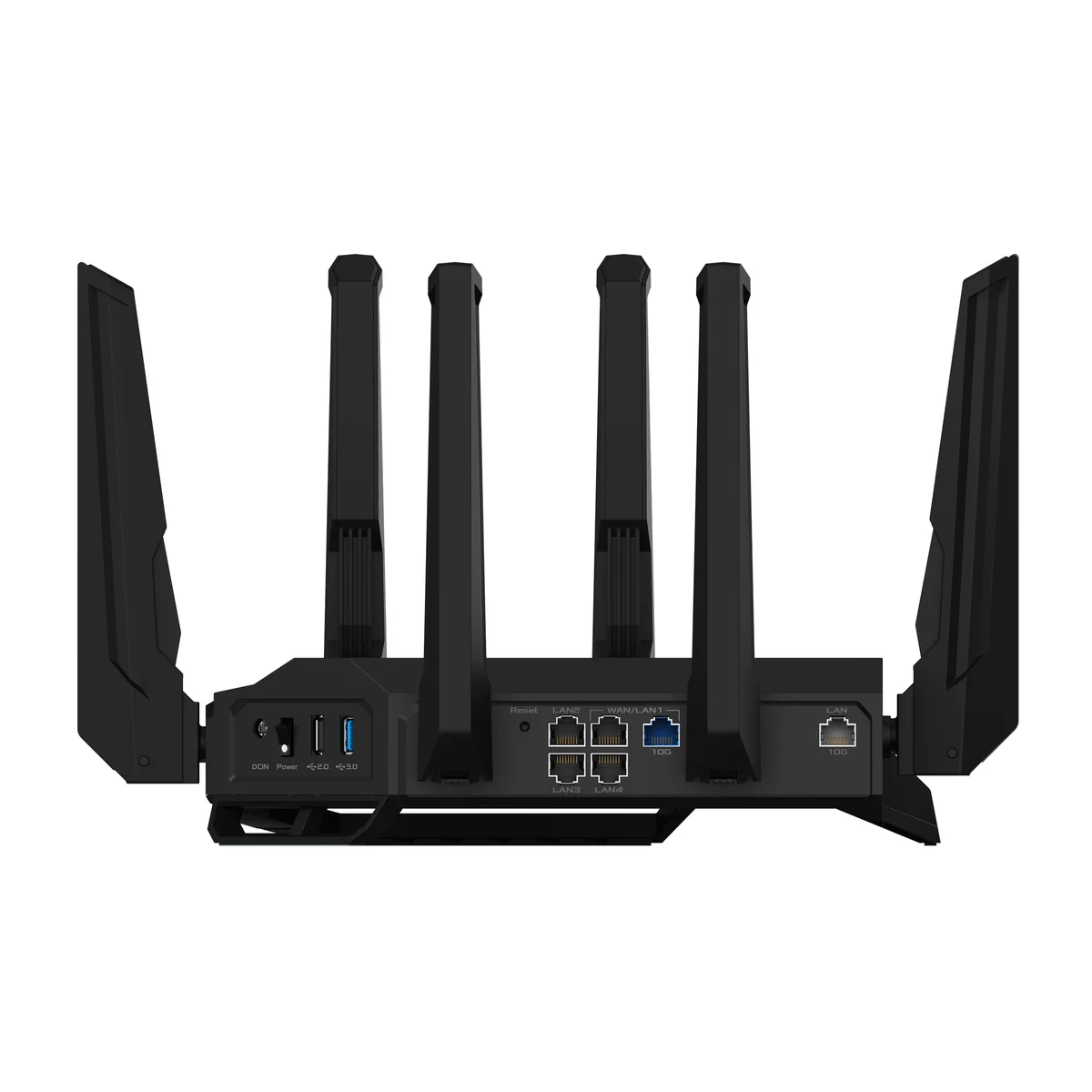
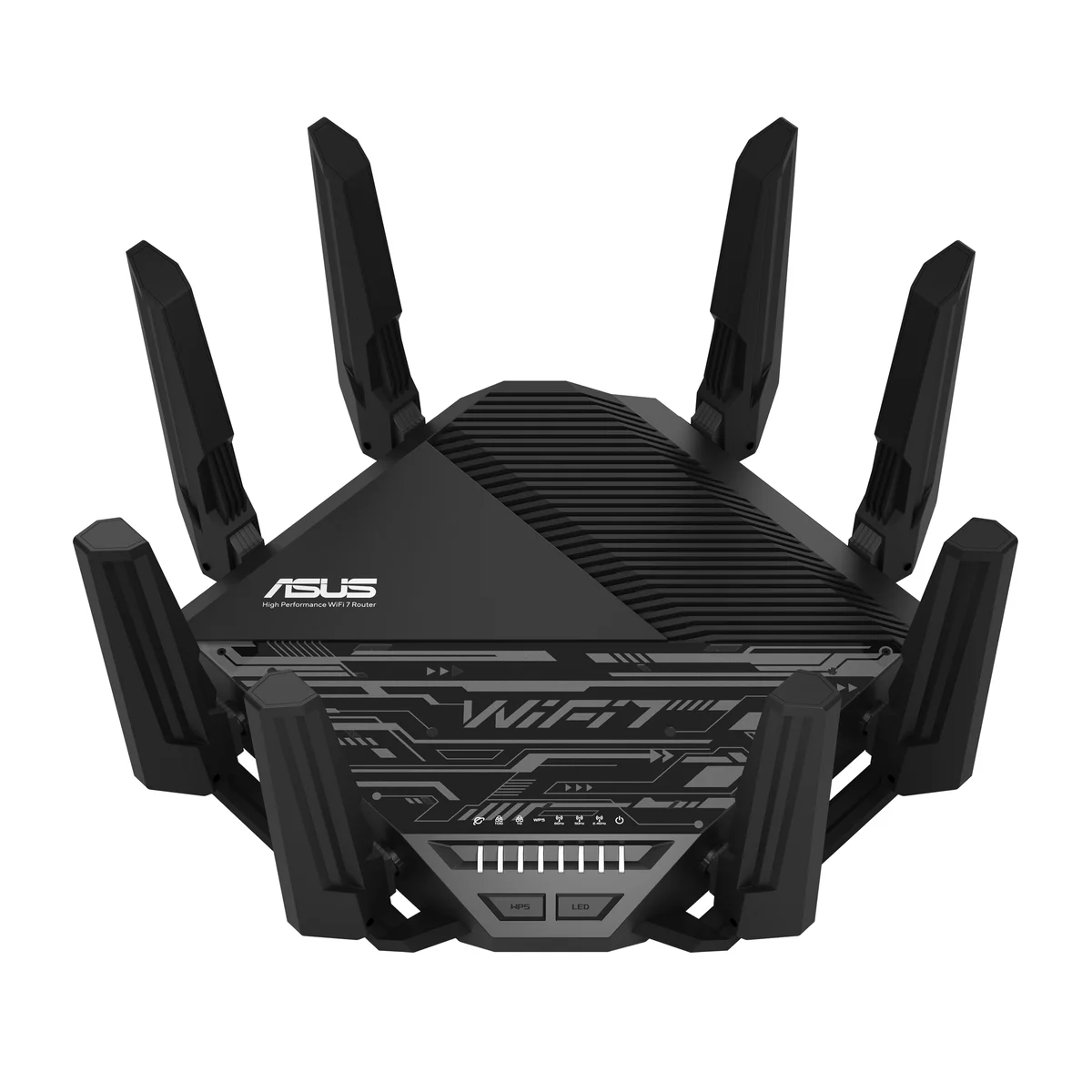
ASUS RT-BE96U
“Tri-band Wi-Fi 7 powerhouse with no subscription paywalls”
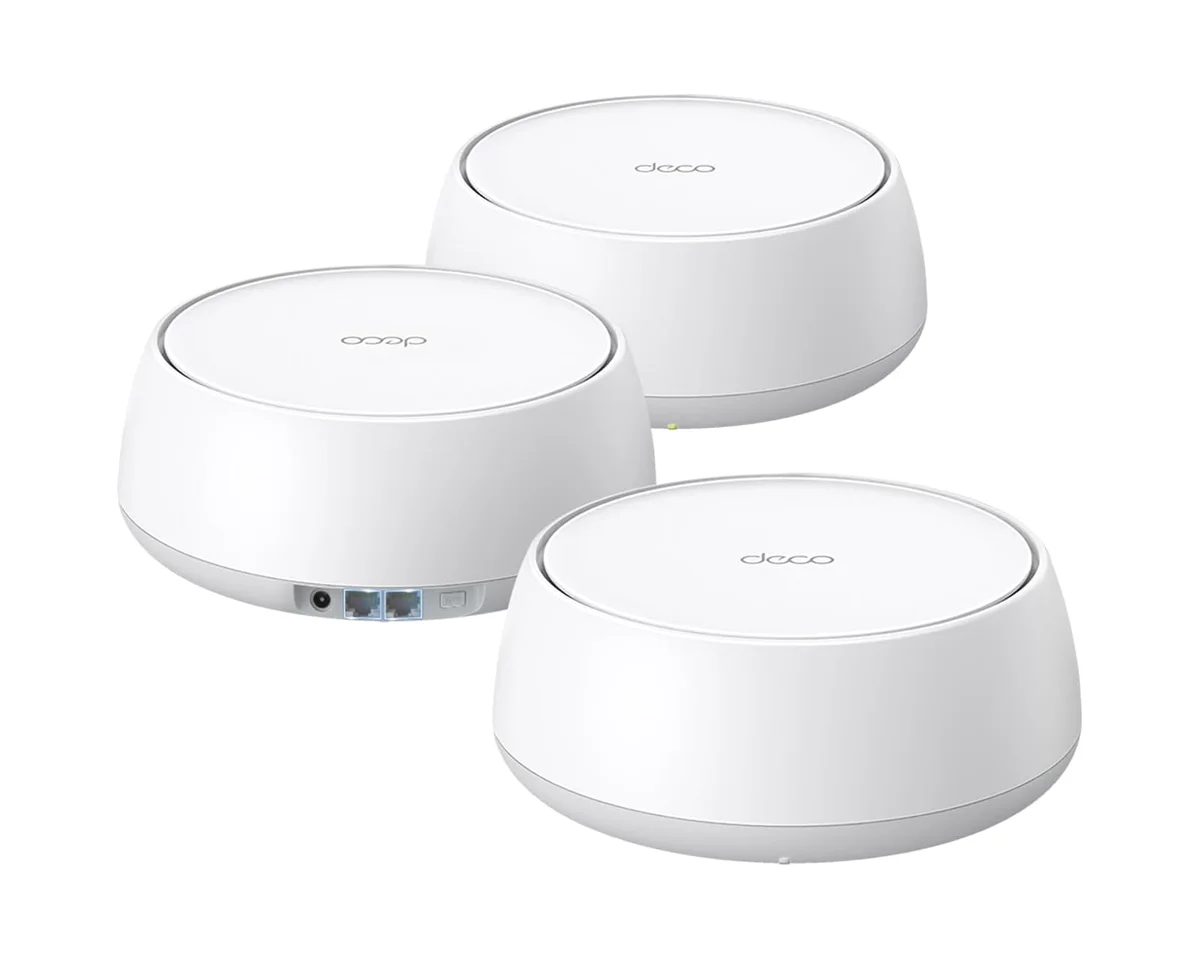
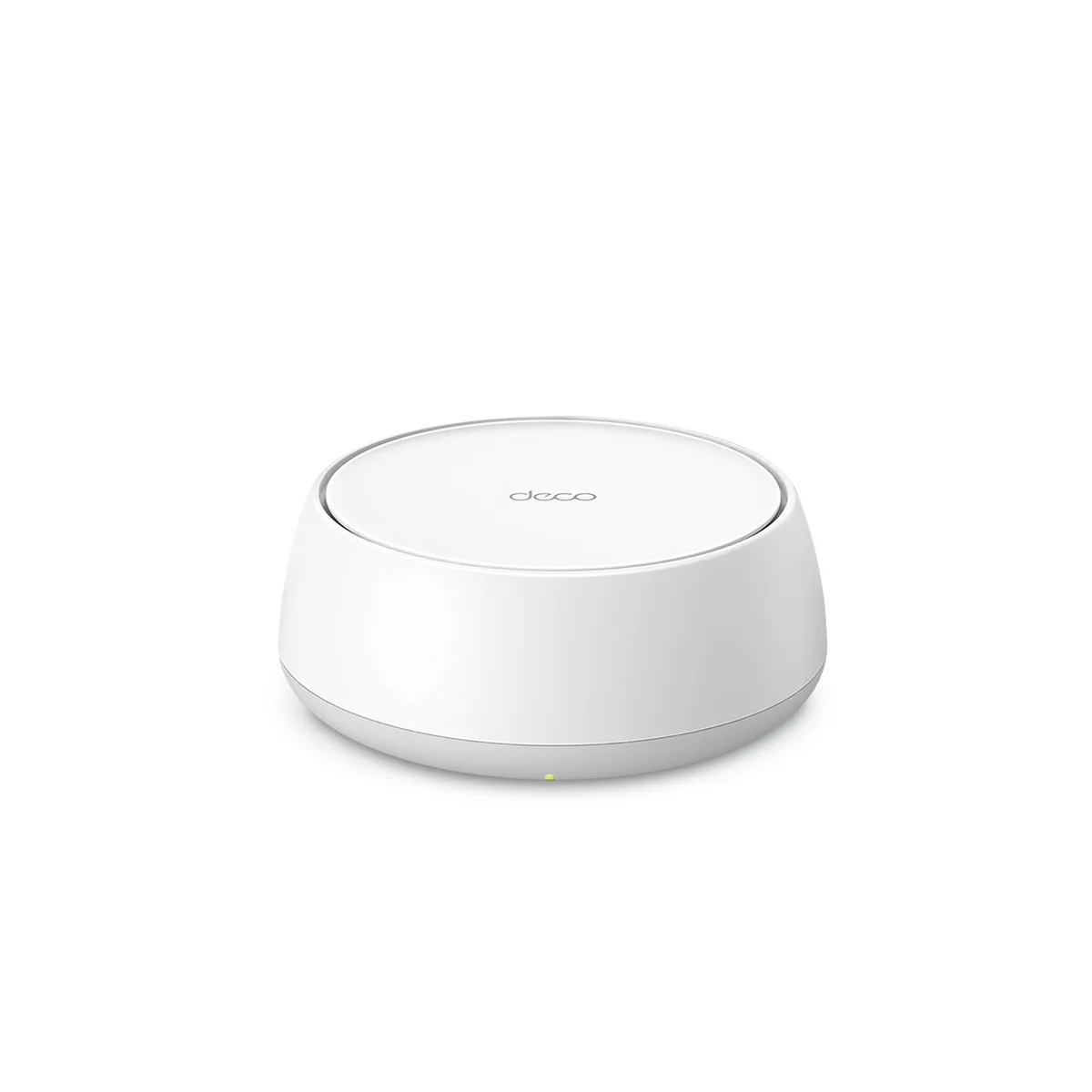
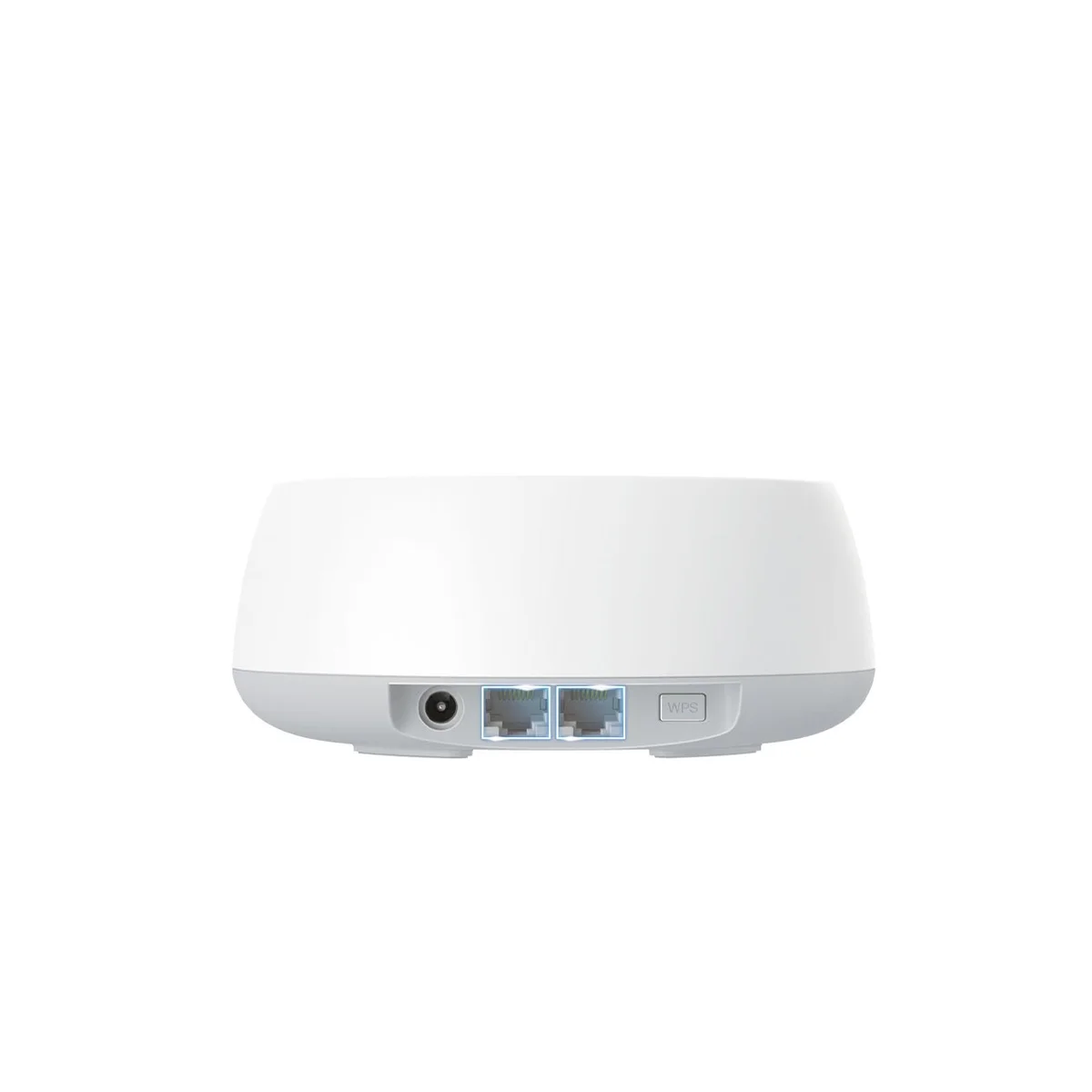
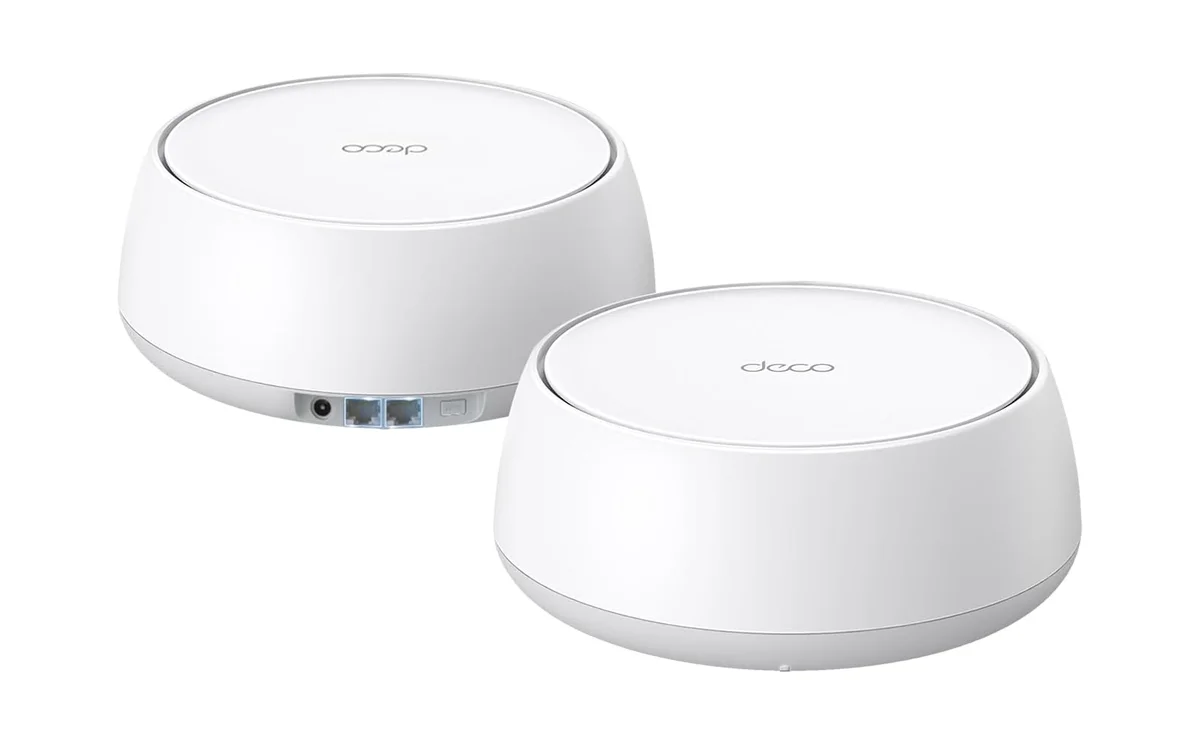
TP-Link Deco BE25
“Wi-Fi 7 mesh for the whole house under $300”
Head-to-Head Breakdown
Strengths & Weaknesses
ASUS RT-BE96U
- Dual 10 Gbps ports fully saturate multi-gig fiber and NAS setups (Ultimate Tech Hub, 10BestOnes)
- Every advanced feature, from VPN to parental controls, is subscription-free (10BestOnes, landpet)
- Tri-band Wi-Fi 7 with 6 GHz band delivered 2,167 Mbps in Ultimate Tech Hub's testing
- Massive 4-pound chassis with 8 antennas and no wall-mount option (10BestOnes)
- Four secondary LAN ports are 1 Gbps instead of the expected 2.5 Gbps (Ultimate Tech Hub)
- Single-router coverage can't match mesh systems in homes over 3,000 sq ft (Audioviser)
TP-Link Deco BE25
- Near-gigabit wireless speeds via Multi-Link Operation for under $200 (Steve DOES: 'shocked at the value')
- Every node includes dual 2.5 Gbps ports for wired backhaul (Ultimate Tech Hub)
- 3-pack covers 6,600 sq ft, solving whole-home dead zones in large or multi-story houses (Ultimate Tech Hub)
- No 6 GHz band; entirely dual-band system missing the fastest, least congested frequency (Ultimate Tech Hub)
- Advanced parental controls and network metrics locked behind paid HomeShield Pro subscription (Steve DOES)
- No USB ports and only 2 ethernet ports per node; need a switch for multiple wired devices (Ultimate Tech Hub)
The Verdict
Our Bottom Line
The RT-BE96U earned unanimous top picks from 10BestOnes, Ultimate Tech Hub, and landpet for one reason: it delivers everything a serious home network demands with zero recurring fees. Ultimate Tech Hub measured 2,167 Mbps on the 6 GHz band and maintained 2,006 Mbps at 40 feet with clear line-of-sight. Over its 10 Gbps ethernet port, wired throughput hit 6,181 Mbps. These are not theoretical numbers; they are real test results from reviewers who use local NAS servers to eliminate ISP variability.
ASUS RT-BE96U
The RT-BE96U earned unanimous top picks from 10BestOnes, Ultimate Tech Hub, and landpet for one reason: it delivers everything a serious home network demands with zero recurring fees. Ultimate Tech Hub measured 2,167 Mbps on the 6 GHz band and maintained 2,006 Mbps at 40 feet with clear line-of-sight. Over its 10 Gbps ethernet port, wired throughput hit 6,181 Mbps. These are not theoretical numbers; they are real test results from reviewers who use local NAS servers to eliminate ISP variability.
- Power users with multi-gigabit fiber internet who need dual 10G ports for NAS or link aggregation
- Competitive gamers in medium-to-large homes (2,500-3,500 sq ft) who want traffic prioritization without subscriptions
- Network enthusiasts who want VPN, AI protection, and deep customization at no recurring cost
- Home office workers running video calls, cloud backups, and large file transfers simultaneously
- Buyers who refuse to pay subscription fees for features that should be included
TP-Link Deco BE25
Steve DOES expected mediocre performance from a $200 Wi-Fi 7 mesh system and got the opposite. His local NAS tests recorded 811 Mbps download and 1,041 Mbps upload wirelessly, numbers that compete with tri-band systems at triple the price. Multi-Link Operation (MLO) is doing real work here, combining the 2.4 GHz and 5 GHz bands into aggregate throughput that a dual-band system shouldn't theoretically deliver. "I was shocked at the value," he said after running the tests three separate times to confirm.
- Families in large or multi-story homes with persistent WiFi dead zones
- Budget-conscious buyers who want Wi-Fi 7 speeds without spending over $300
- Households with 20+ connected devices spread across multiple floors
- Renters or homeowners who can't run ethernet cables to every room (wireless mesh solves this)
- First-time mesh buyers upgrading from a single aging router