The EcoFlow Delta Pro 3 meets
the Anker SOLIX C1000
The power station that replaces your generator. We tested it head-to-head against the Anker SOLIX C1000 across 7 key dimensions.
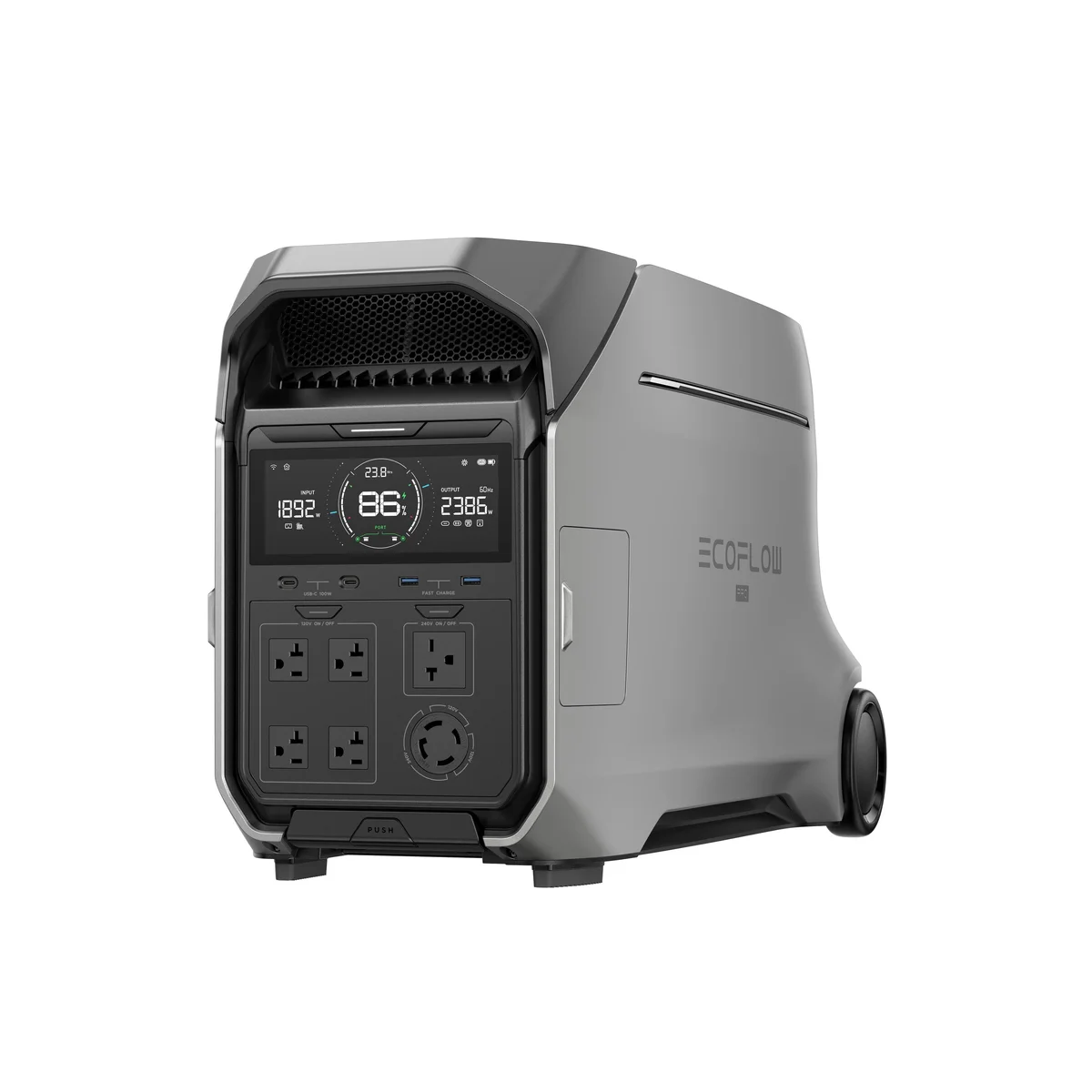
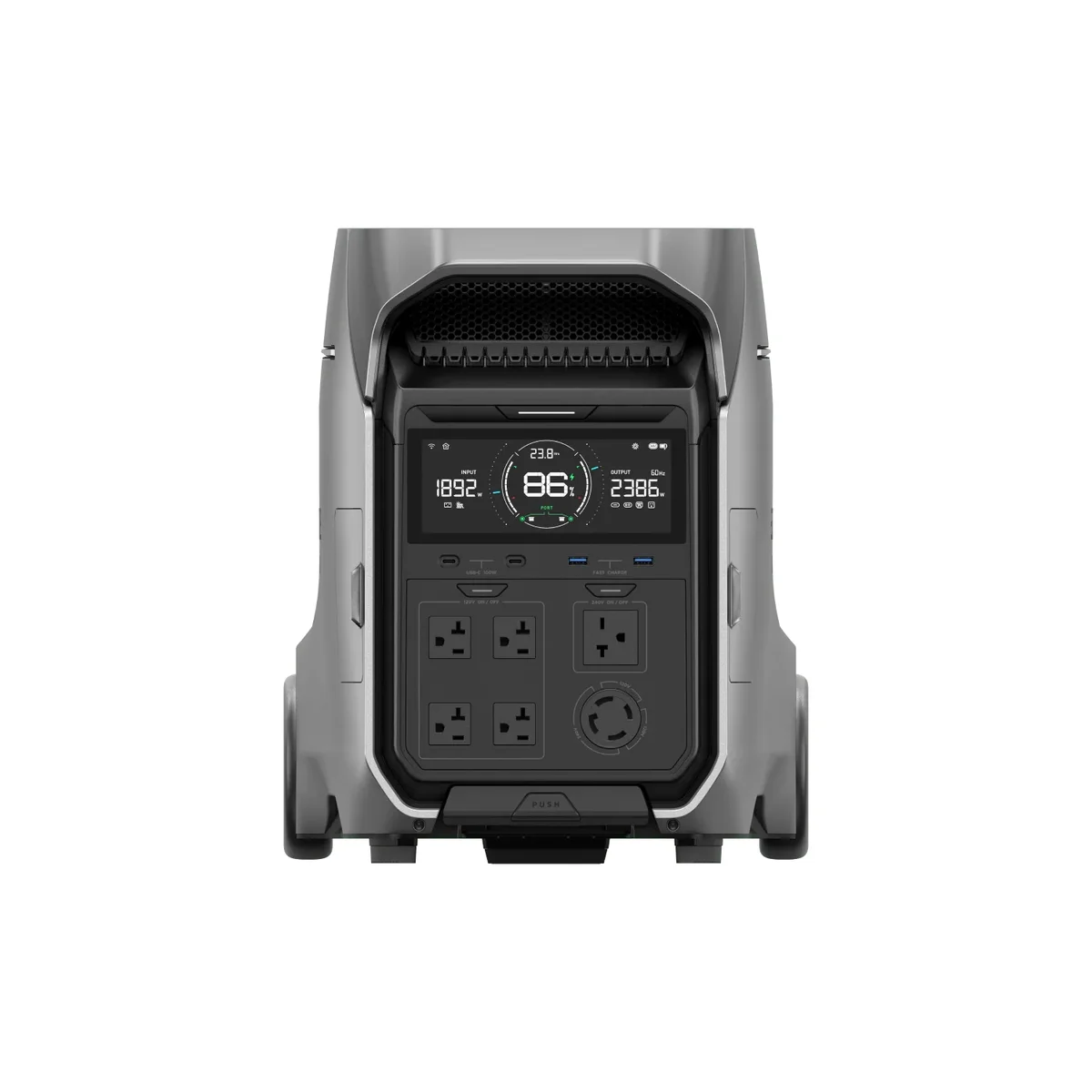
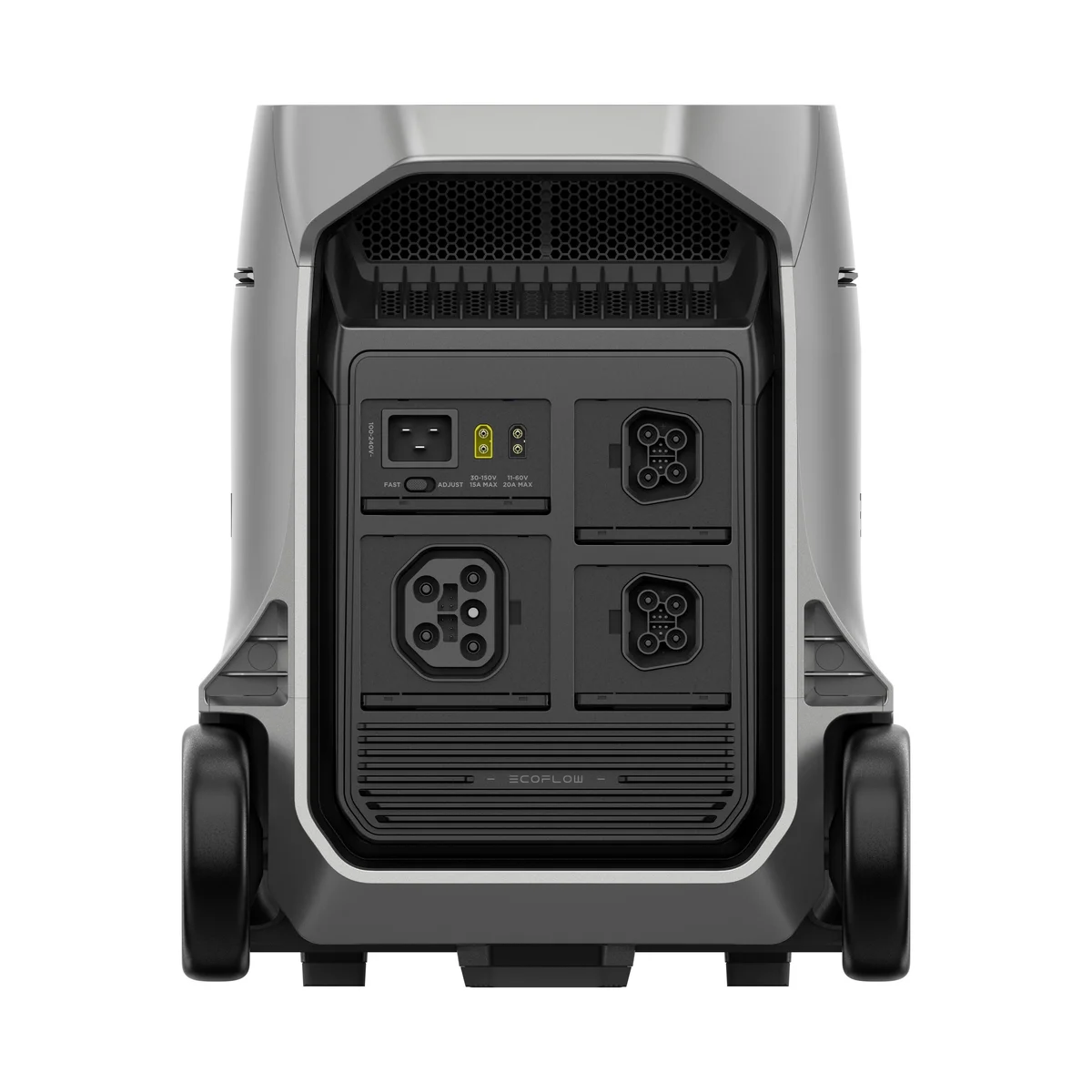
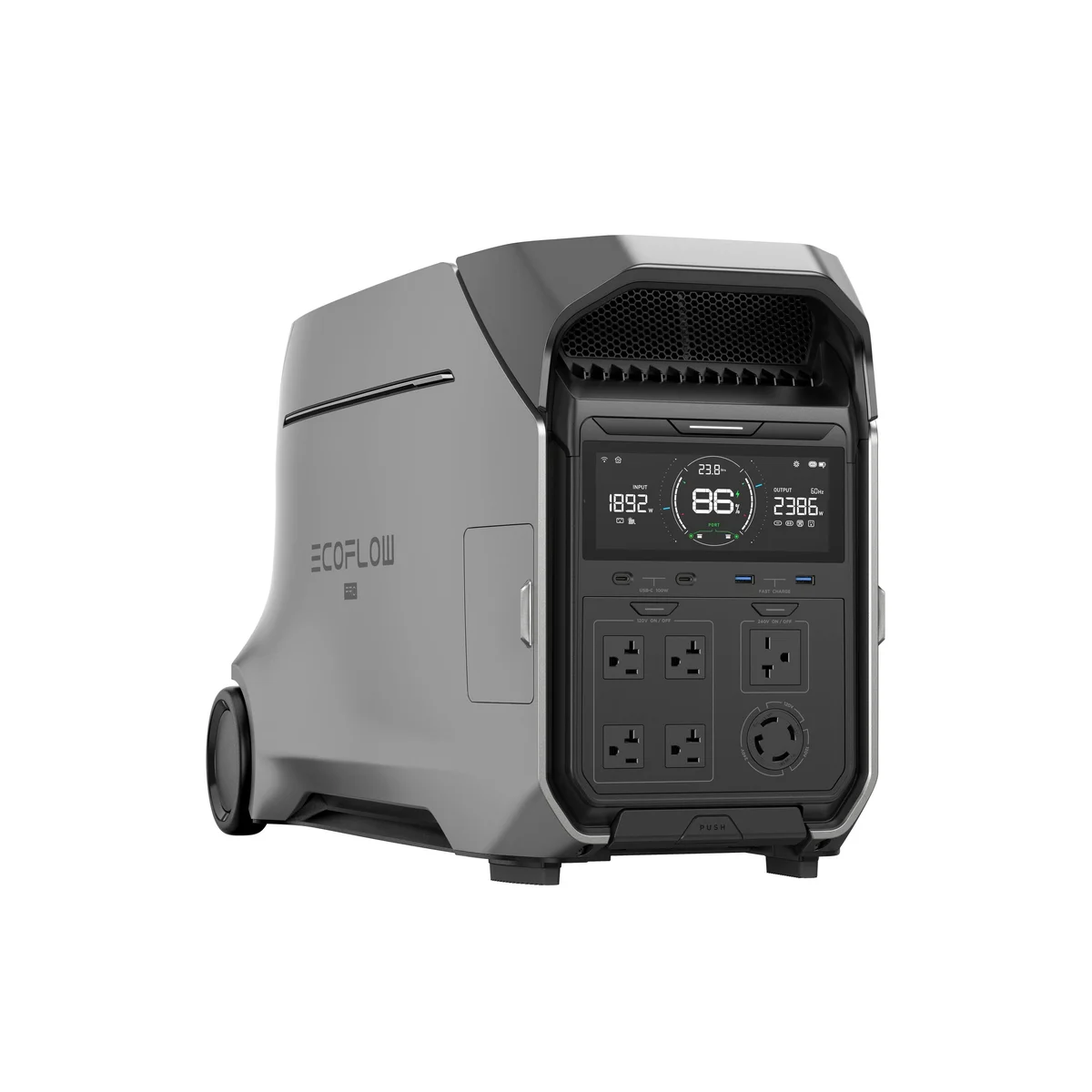
EcoFlow Delta Pro 3
“The power station that replaces your generator”
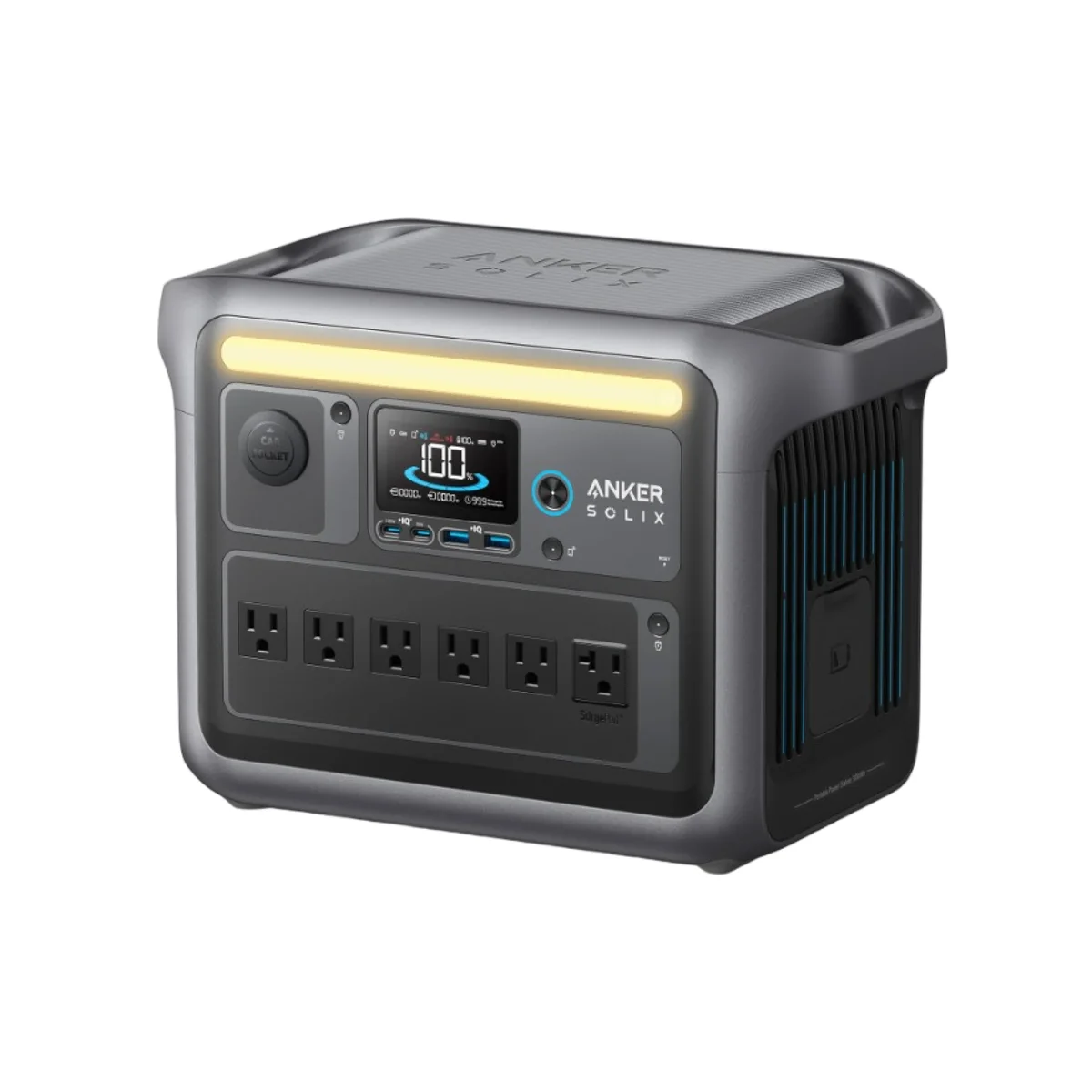
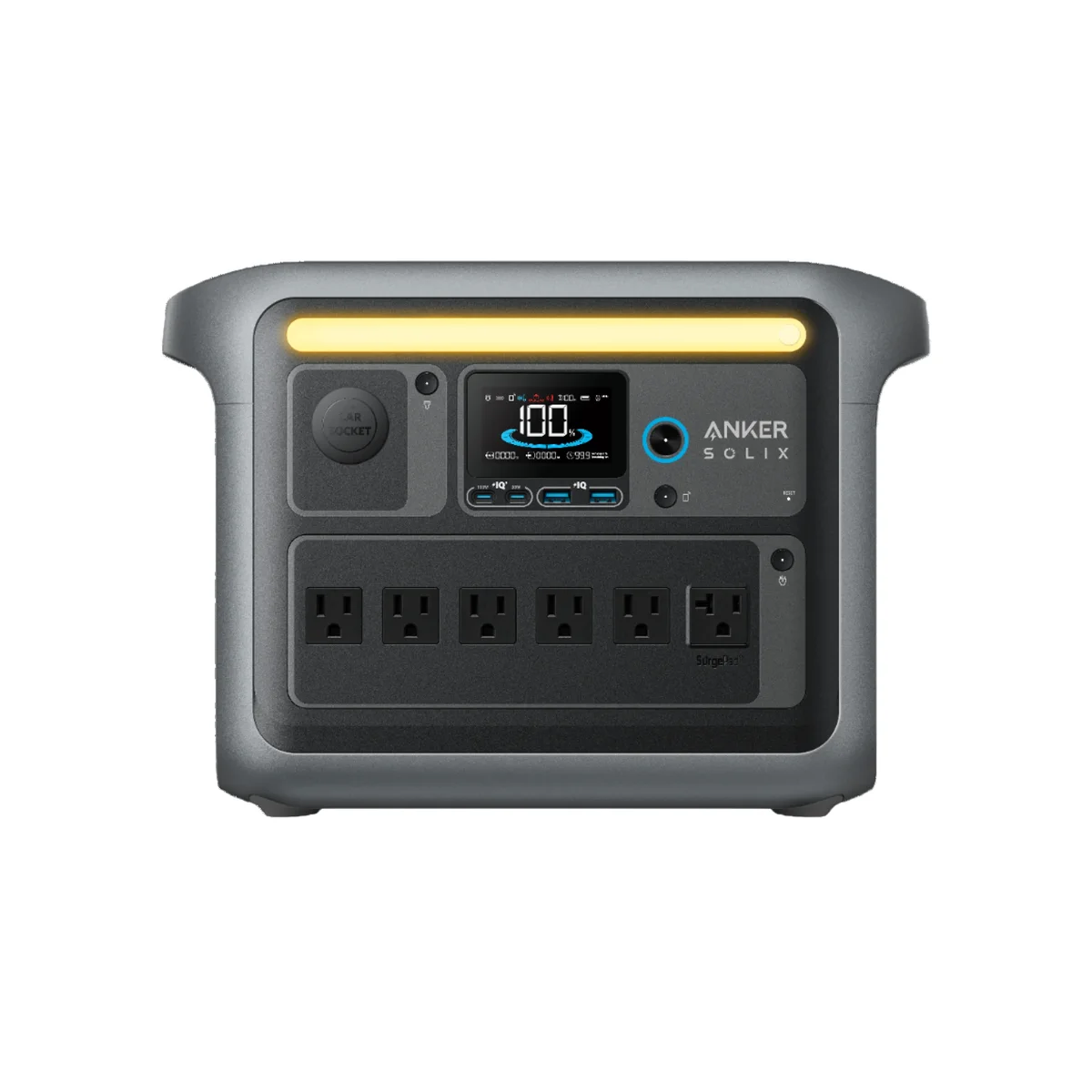
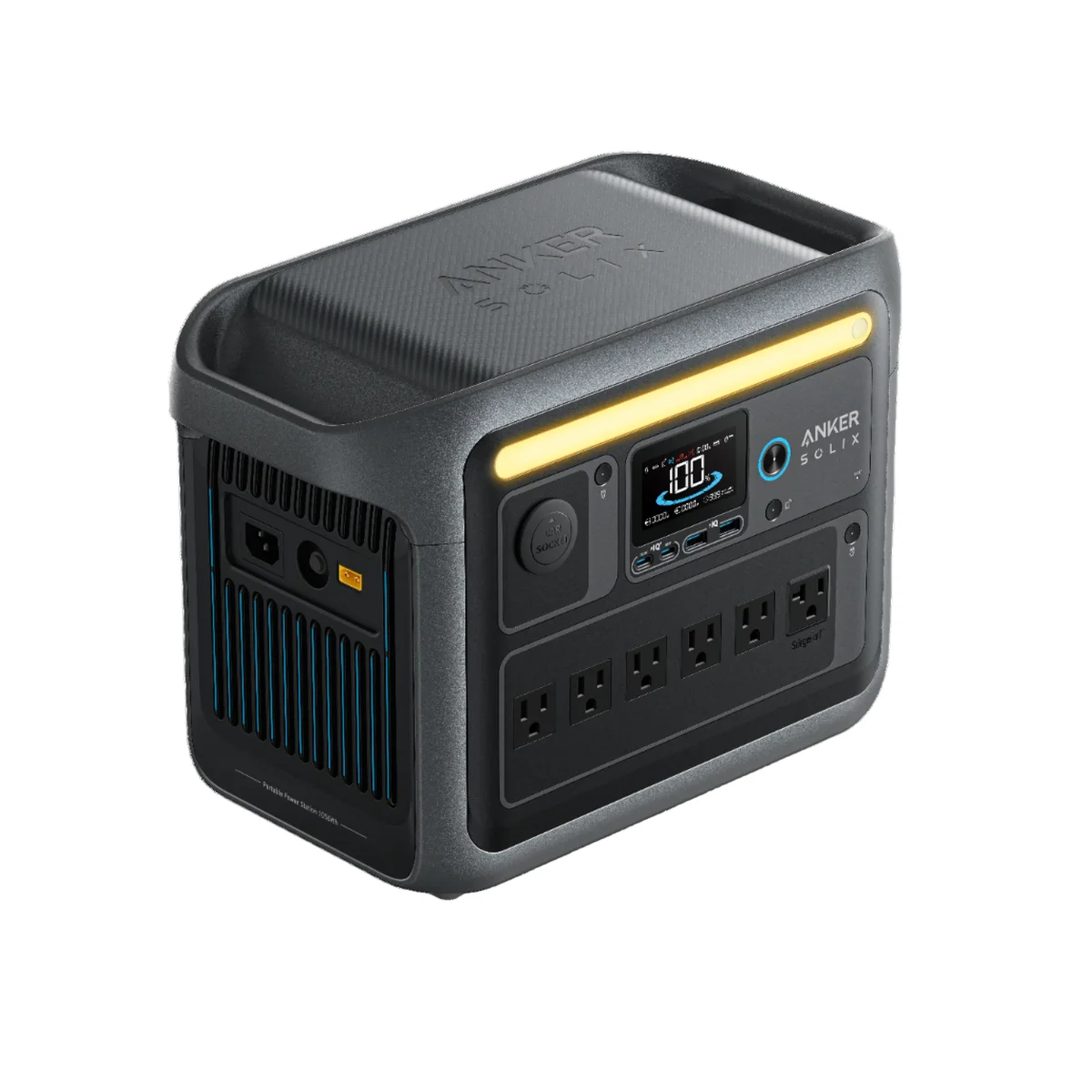
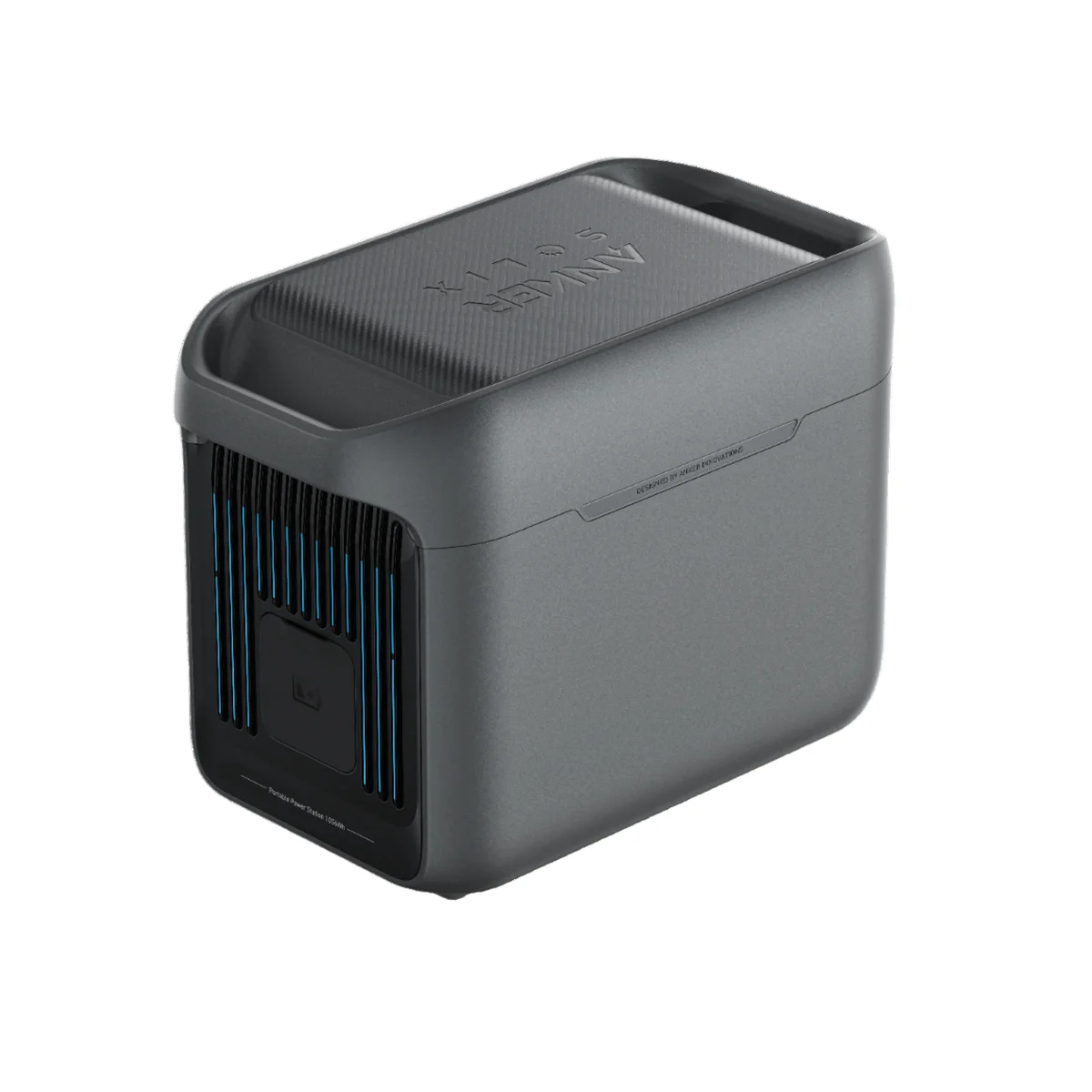
Anker SOLIX C1000
“The efficiency king you can actually carry”
Head-to-Head Breakdown
Strengths & Weaknesses
EcoFlow Delta Pro 3
- 4,000W continuous output with 8,000W surge handles anything including 3-ton AC units (Foremost Picks)
- Native 240V output with both L14-30 and 6-20R outlets for heavy equipment (The Solar Lab)
- Charges 0-100% in about an hour via EV adapter at 4,000W input (The Solar Lab)
- Expandable to 48kWh with stackable, slim expansion batteries (Foremost Picks)
- IP65-rated battery pack handles outdoor weather (The Solar Lab)
- Weighs 113.5 lbs and requires two people or a cart to move between locations (Foremost Picks)
- EcoFlow's confusing product lineup makes it easy to buy the wrong Delta model (The Solar Lab)
- The specific 240V plug choice frustrates users who want a more standard connector (The Solar Lab)
- AC wall charging takes ~2 hours at standard 2,000W input without the EV adapter (spec)
Anker SOLIX C1000
- Best-in-class 88% inverter efficiency means you get more usable power from every charge (Everyday Solar)
- Charges from empty to full on a wall outlet in under 58 minutes (Foremost Picks)
- Weighs just 28.4 lbs and is 15% smaller than competing 1,000Wh units (All About Survival)
- Two 140W USB-C ports eliminate the need for laptop power bricks entirely (CheapRVliving)
- Anker's customer support is considered the best in the power station industry (The Solar Lab)
- 600W single XT60 solar input limits off-grid recharge speed for serious nomads (CheapRVliving)
- Cannot start high-surge induction motors like circular saws or heavy water pumps (Foremost Picks)
- Gen 2 removed the expansion battery port, locking you into the base 1,056Wh capacity (Foremost Picks)
The Verdict
Our Bottom Line
The Anker SOLIX C1000 scores higher overall (86.8 vs 82.8) because it dominates Efficiency (95 vs 75) and Portability (90 vs 40), two dimensions where the Delta Pro 3's 113-pound, generator-class design naturally falls behind. We chose the Delta Pro 3 as Best Overall because its 4,000W continuous output, native 240V, and 48kWh expandability represent capabilities the C1000 physically cannot match. No amount of inverter efficiency makes a 1,800W unit power a central AC system or serve as whole-home backup during a three-day ice storm.
EcoFlow Delta Pro 3
The EcoFlow Delta Pro 3 won because it occupies a power class that none of the other contenders can touch. Project Farm's nine-unit comparison tested heavy surge loads, including kickstarting a 33-gallon air compressor alongside halogen lights, and units in the Delta Pro 3's weight class handled those spikes where mid-range stations tripped their inverters. The Solar Lab called its AC in/out port a standout feature: plug into an EV charger or generator twist-lock and pull 4,000W of input, filling the 4,096Wh battery from zero in roughly an hour.
- Homeowners who want whole-house backup during multi-day outages
- RV owners who need native 240V for air conditioning and heavy appliances
- Anyone building a scalable off-grid solar system they can expand over time
- Buyers who charge from EV stations, generators, or high-wattage solar arrays
- Storm-preparedness planners who refuse to compromise on power headroom
Anker SOLIX C1000
Everyday Solar ran the numbers that sealed this pick. Their load testing recorded 88% inverter efficiency on the Anker SOLIX C1000, the highest they'd measured in the 1,000Wh class. That means for every watt-hour stored, you get 88% back through the AC outlets. Competing units from EcoFlow and Bluetti tested lower. Low idle consumption was the other standout: the C1000 won't drain itself overnight just from having the inverter on standby.
- Weekend campers and tailgaters who need portable, grab-and-go power
- Apartment dwellers who want emergency backup for a fridge, router, and devices
- Budget-conscious buyers who want the highest efficiency per dollar spent
- Remote workers who need reliable laptop and phone charging away from outlets
- First-time power station buyers who want top-tier customer support if things go wrong