The Oatly Original Oat Milk meets
the Silk Organic Unsweetened Soy Milk
The oat milk that made oat milk mainstream. We tested it head-to-head against the Silk Organic Unsweetened Soy Milk across 6 key dimensions.
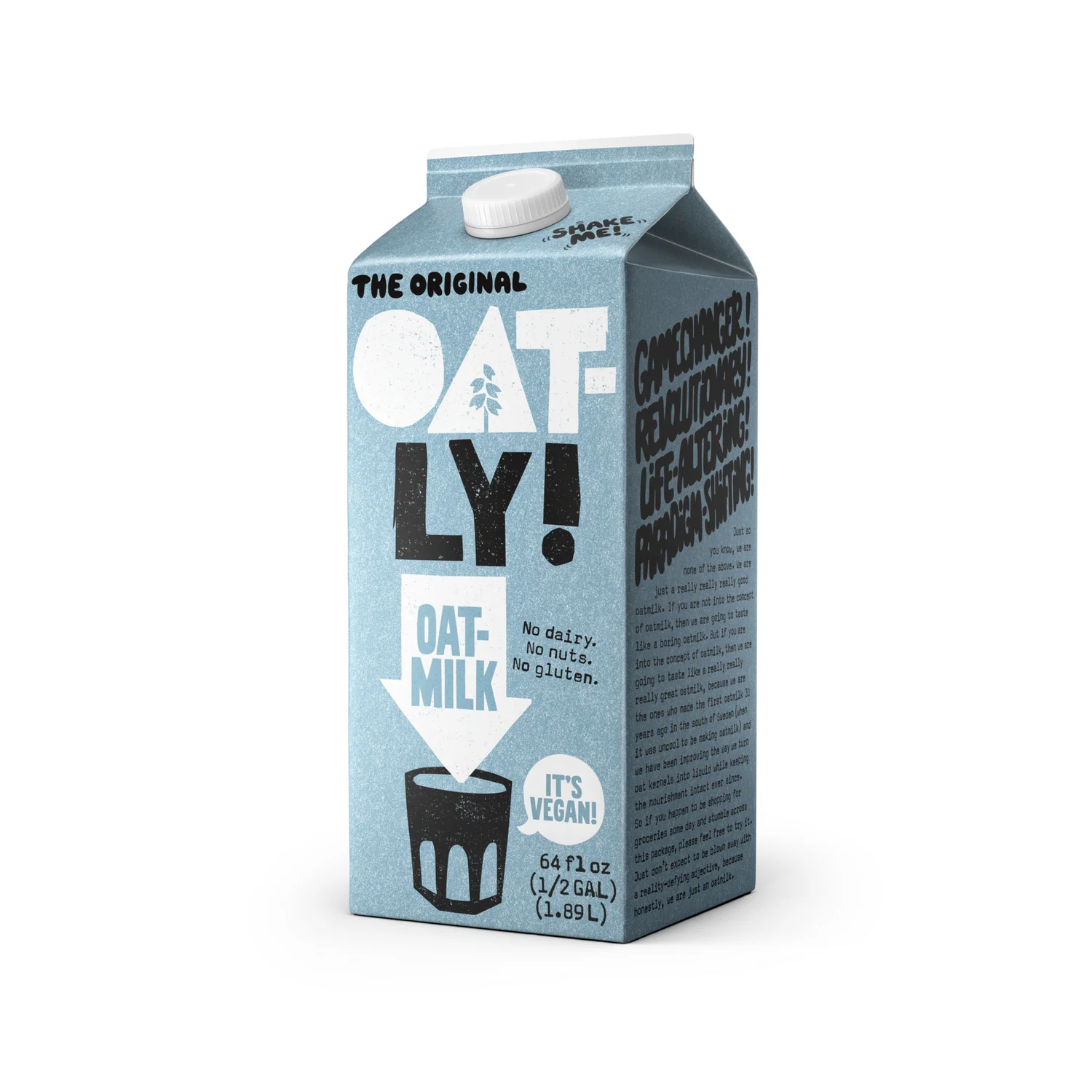
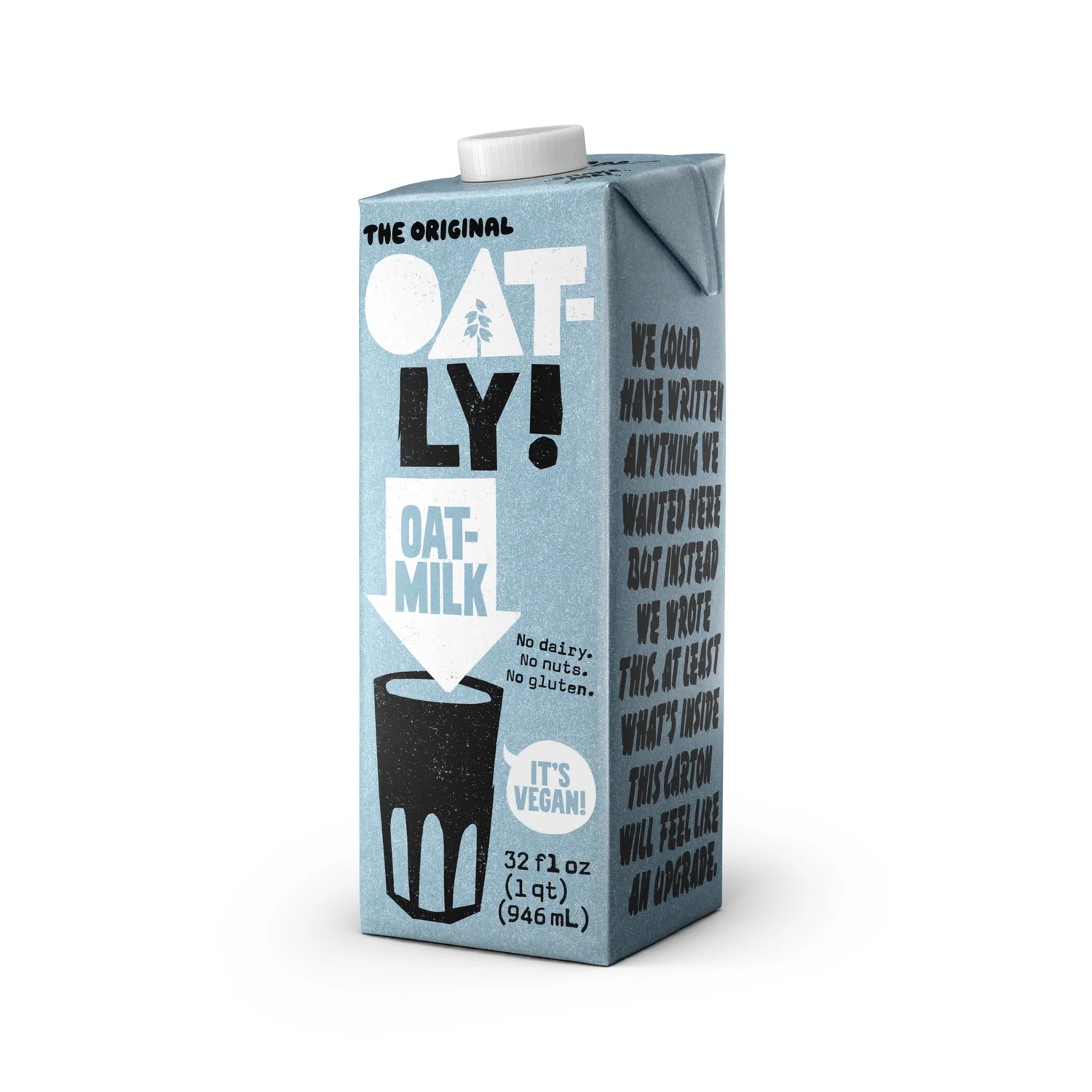
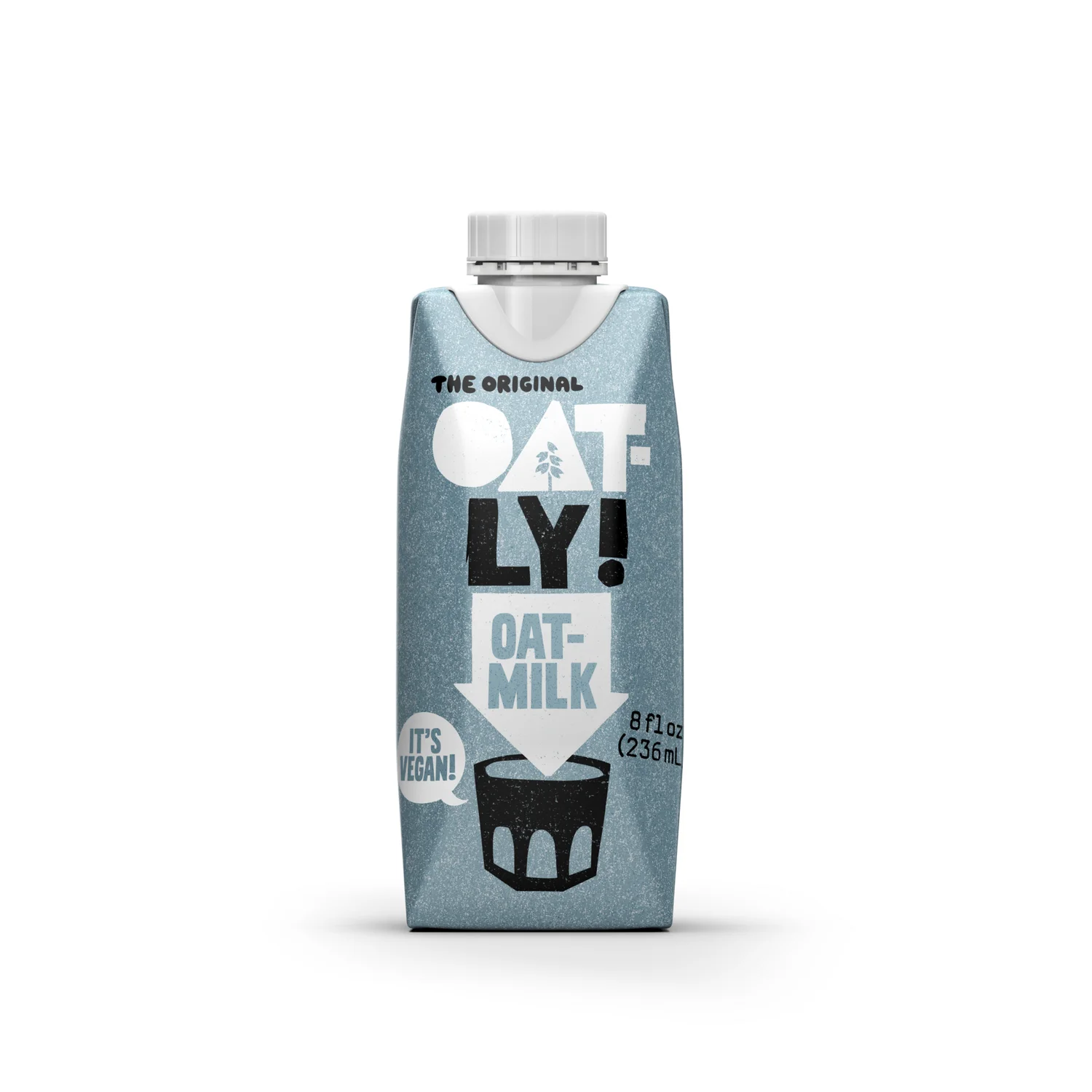
Oatly Original Oat Milk
“The oat milk that made oat milk mainstream”
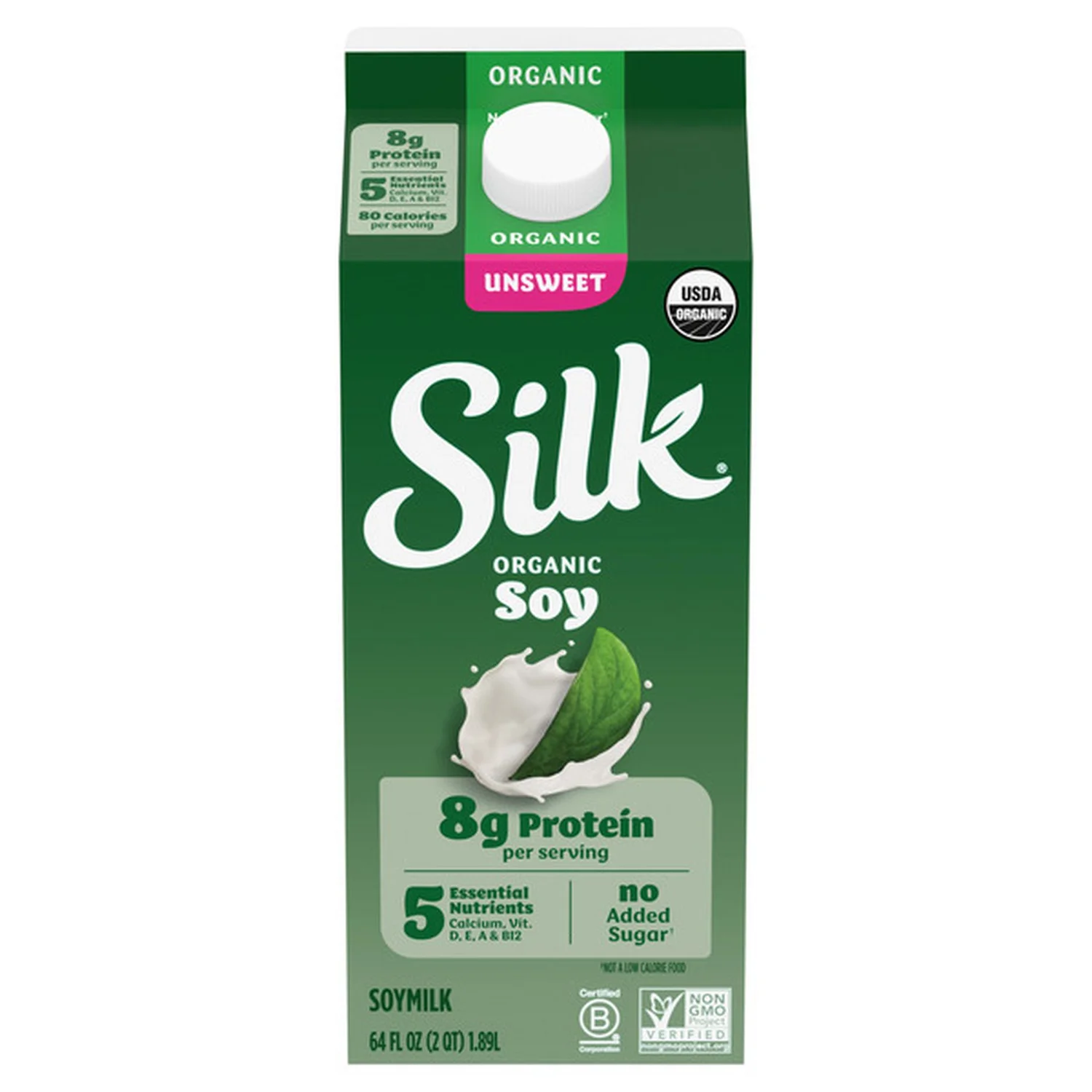
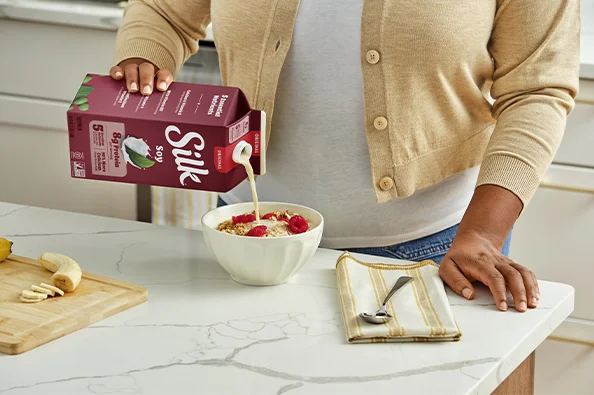
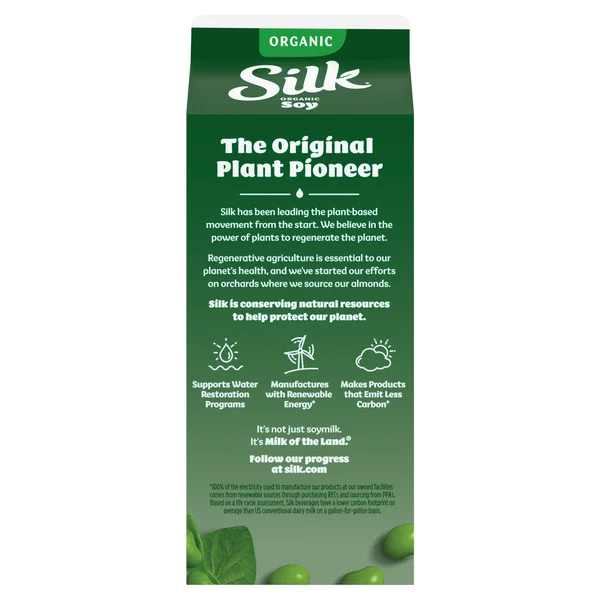
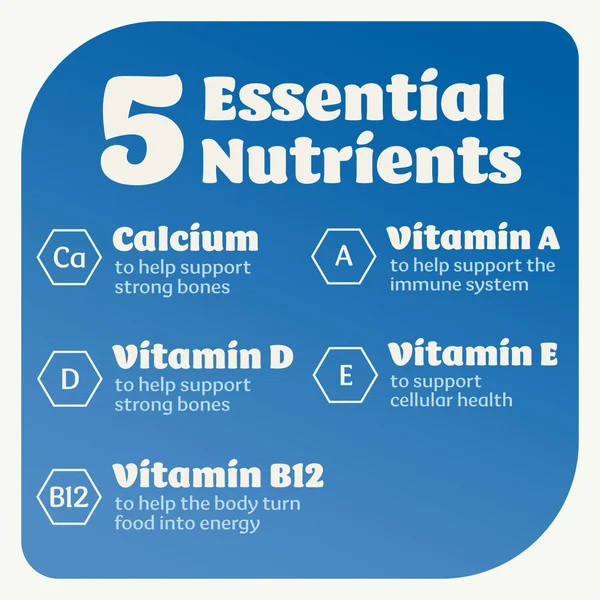
Silk Organic Unsweetened Soy Milk
“All the protein, none of the sugar, all the flavor”
Head-to-Head Breakdown
Strengths & Weaknesses
Oatly Original Oat Milk
- Ranked top 3 in four independent reviews: Tasting Table (#2/13), Sporked (8/10 Best for Coffee), Nectar (within 0.1 of dairy), and TT Coffee (#1 oat type)
- Available at every major US retailer plus Starbucks, with both refrigerated and shelf-stable options, so you'll never struggle to restock
- Balanced sweetness and full body that works across coffee, cereal, cooking, and drinking straight without needing separate milks for different uses
- 3g protein per cup is less than half what soy milk offers (8g), making it a poor choice if you count macros or rely on milk for protein
- At ~$5.49/64 oz, costs 25-40% more than store-brand oat milks and nearly double budget soy or almond options
- The original doesn't froth as well as the Barista edition (sold separately at a higher price), so home latte artists may need to buy both
Silk Organic Unsweetened Soy Milk
- Sporked's highest-rated soy milk at 10/10, with reviewer Gwynedd Stuart calling it 'probably my new favorite milk, period' after tasting 15+ brands
- 8g complete protein per cup with all 9 amino acids matches dairy milk and more than doubles oat milk (3g), at only 80 calories with 1g sugar
- At ~$3.99/64 oz, costs roughly 25% less per serving than Oatly while delivering substantially more nutrition, making it the best value in plant milk
- Soy carries cultural baggage from older, beanier formulations, and some buyers reflexively avoid it despite modern versions tasting nothing like 2005 soy milk
- Flavor is more neutral than oat milk's natural sweetness, so if you want a treat-like drinking experience straight from the glass, oat wins
- Soy is a top-9 allergen, ruling it out for soy-sensitive buyers and creating issues in shared office or school settings
The Verdict
Our Bottom Line
Silk Soy scores 86.0 overall compared to Oatly's 84.9, driven by its high Nutrition score (90 vs 55) and slightly better Availability (92 vs 95). Oatly is the editorial Best Overall because it has the strongest cross-source consensus on taste and texture as a dairy replacement: four independent panels put it in their top 3, and it's the #1 consumer-preferred plant milk type globally. The scores correctly reflect that Silk Soy is the more complete nutritional product; the editorial pick reflects that most buyers choose plant milk primarily on flavor and mouthfeel, where Oatly leads.
Oatly Original Oat Milk
Oatly Original appeared in the top 3 of four independent sources, which is the strongest cross-source consensus of any plant milk we evaluated. Tasting Table ranked it #2 out of 13 oat milks, praising its 'bright and balanced' flavor with 'mild sweetness.' Sporked gave it 8/10 and named it Best Oat Milk for Coffee, calling out its 'full-bodied creaminess' and 'hint of vanilla.' In the Nectar blind taste test (2,183 non-vegan consumers across NYC and SF restaurants), Oatly's creamer scored within 0.1 points of liking compared to dairy. VegOut Magazine's 2025 consumer satisfaction survey put oat milk at #1 among all plant milk types.
- You want the closest all-around dairy milk replacement for coffee, cereal, cooking, and drinking
- Taste and texture matter more to you than protein content or price
- You're stocking your fridge with one milk that everyone in the household will accept
- You make lattes or cappuccinos at home (pair with Oatly Barista for best foam)
- You prefer a mildly sweet, creamy flavor profile over plain or nutty alternatives
Silk Organic Unsweetened Soy Milk
Sporked's panel gave Silk Organic Unsweetened Soy a perfect 10/10, their highest possible score, and named it the best soy milk they've ever tasted. Senior staff writer Gwynedd Stuart called it 'probably my new favorite milk, period' and noted it's 'ultra creamy, like whole milk' with flavor that 'doesn't taste like edamame.' Her colleague Justine Sterling agreed it 'tasted the most like real milk' of anything in the soy lineup.
- You want meaningful protein from your milk (8g complete protein per cup, matching dairy)
- You buy plant milk weekly and care about per-serving cost
- You cook and bake regularly, needing a neutral base that won't add unwanted sweetness
- You want organic certification and a clean ingredient list without added sugar
- You have nut allergies and need a tree-nut-free option (soy is separate from tree nut allergies)