The Razer Wolverine V3 Pro meets
the FlyDigi Vader 5 Pro
Tournament-grade speed with zero compromises on input latency. We tested it head-to-head against the FlyDigi Vader 5 Pro across 6 key dimensions.
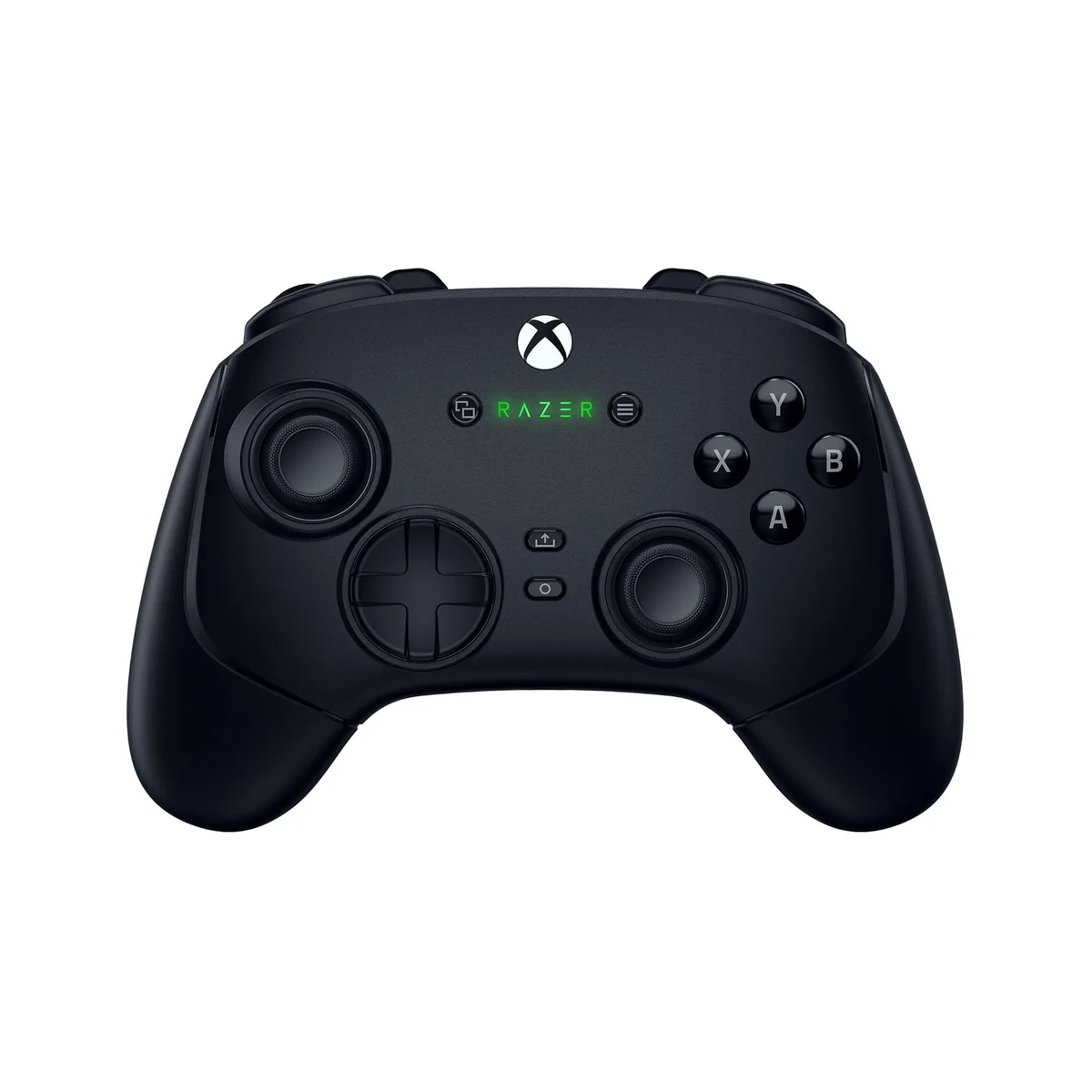
Razer Wolverine V3 Pro
“Tournament-grade speed with zero compromises on input latency”
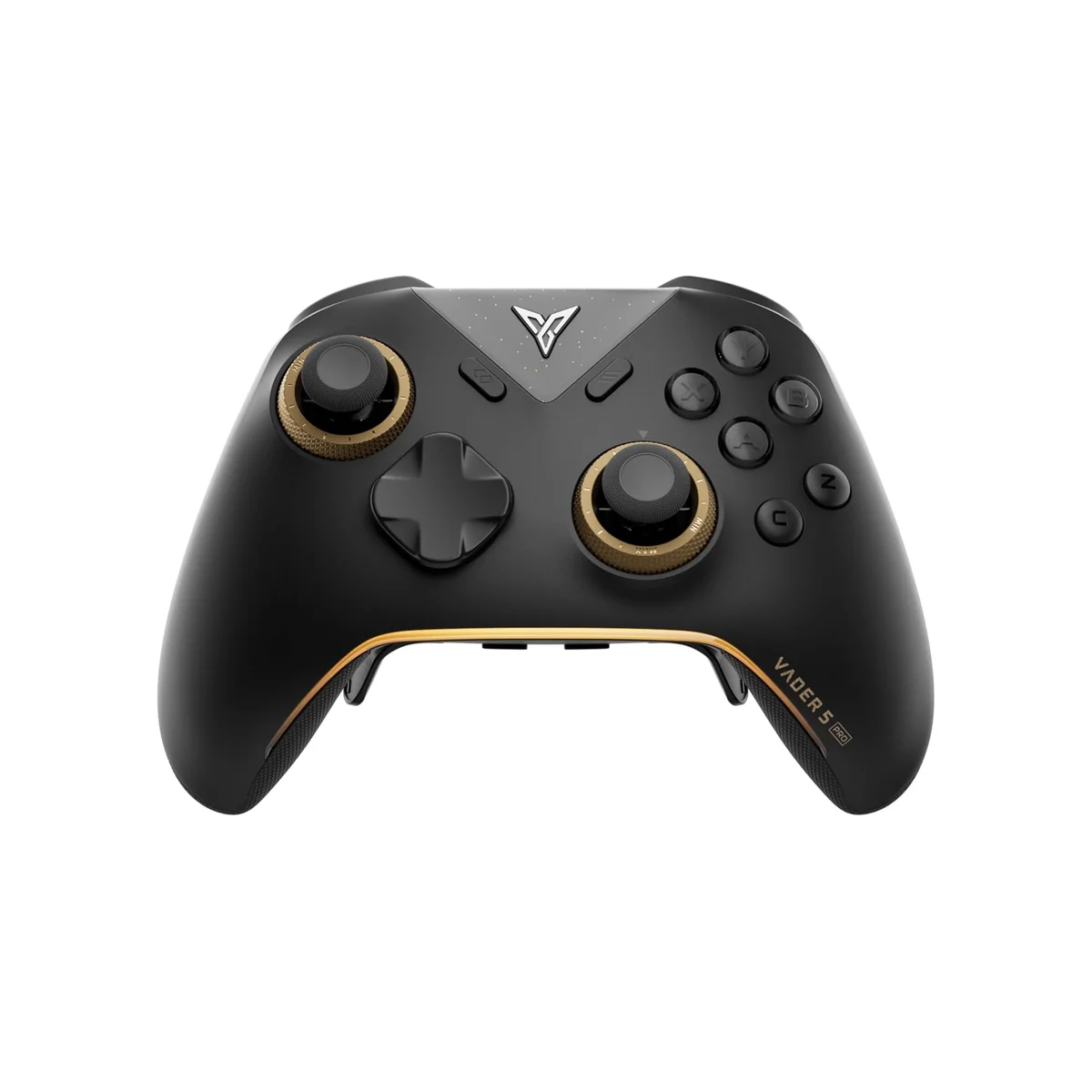
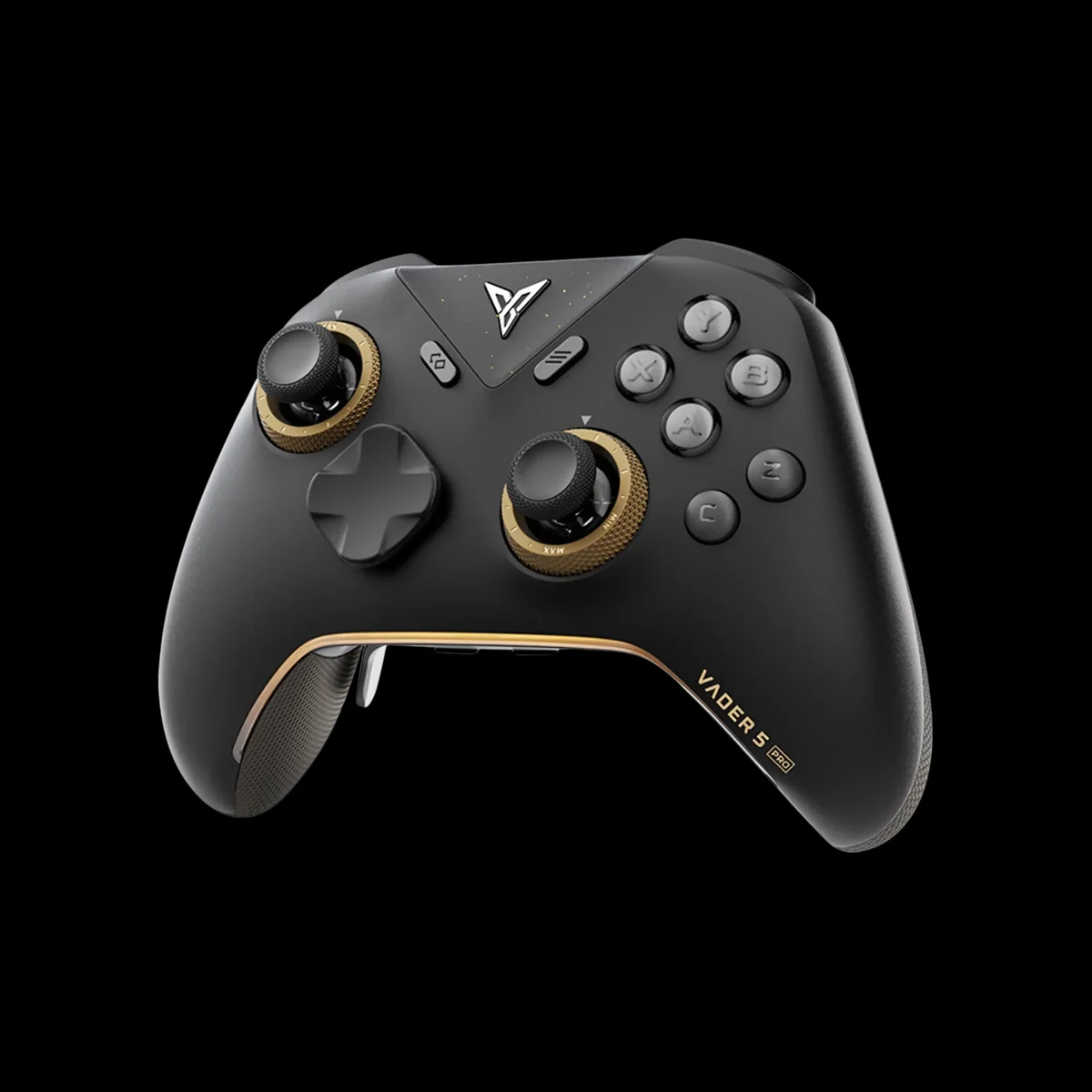
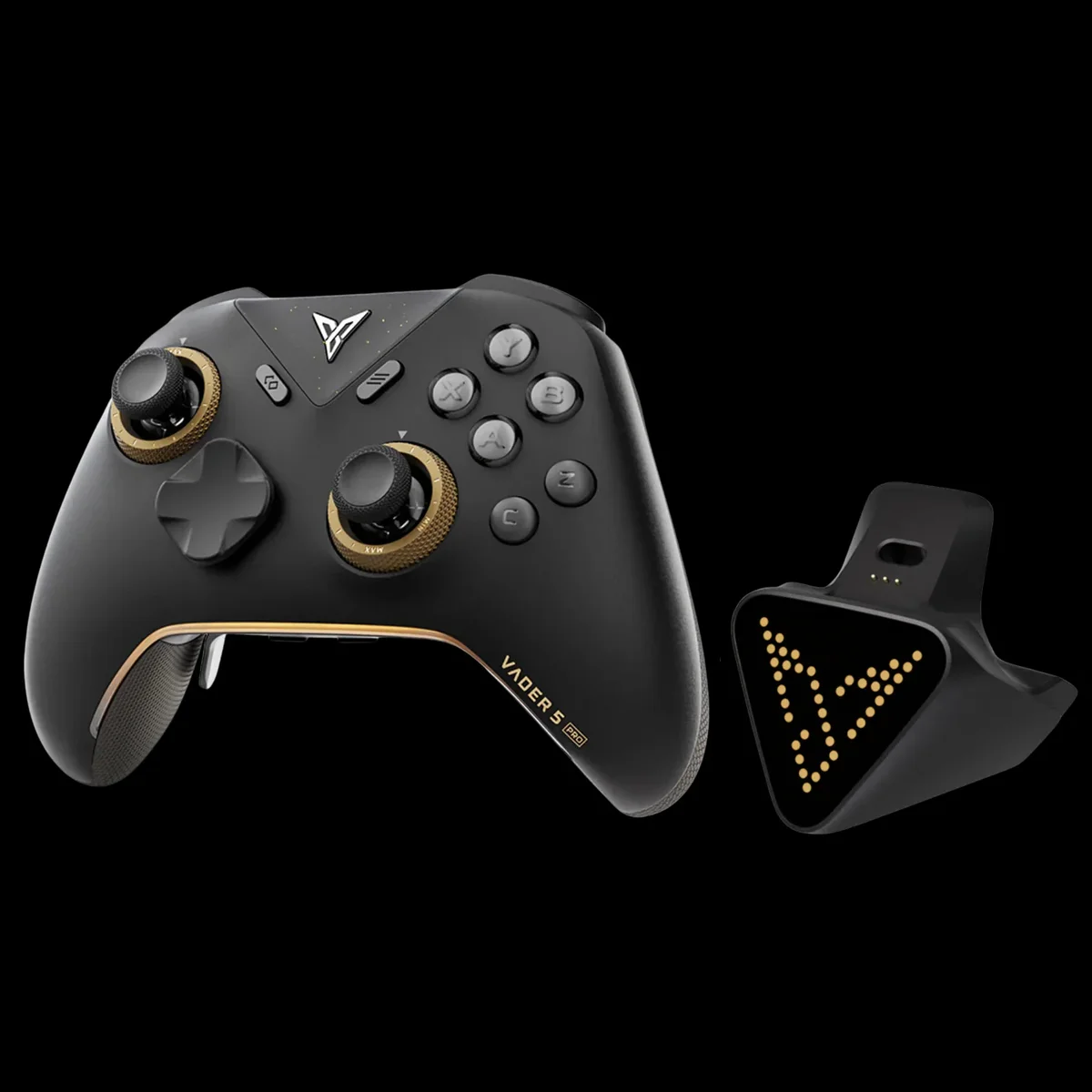
FlyDigi Vader 5 Pro
“Flagship features and 12-bit sticks at half the premium price”
Head-to-Head Breakdown
Strengths & Weaknesses
Razer Wolverine V3 Pro
- 8,000Hz wired polling rate with 2.6ms stick latency, the fastest controller ArtIsWar has ever tested
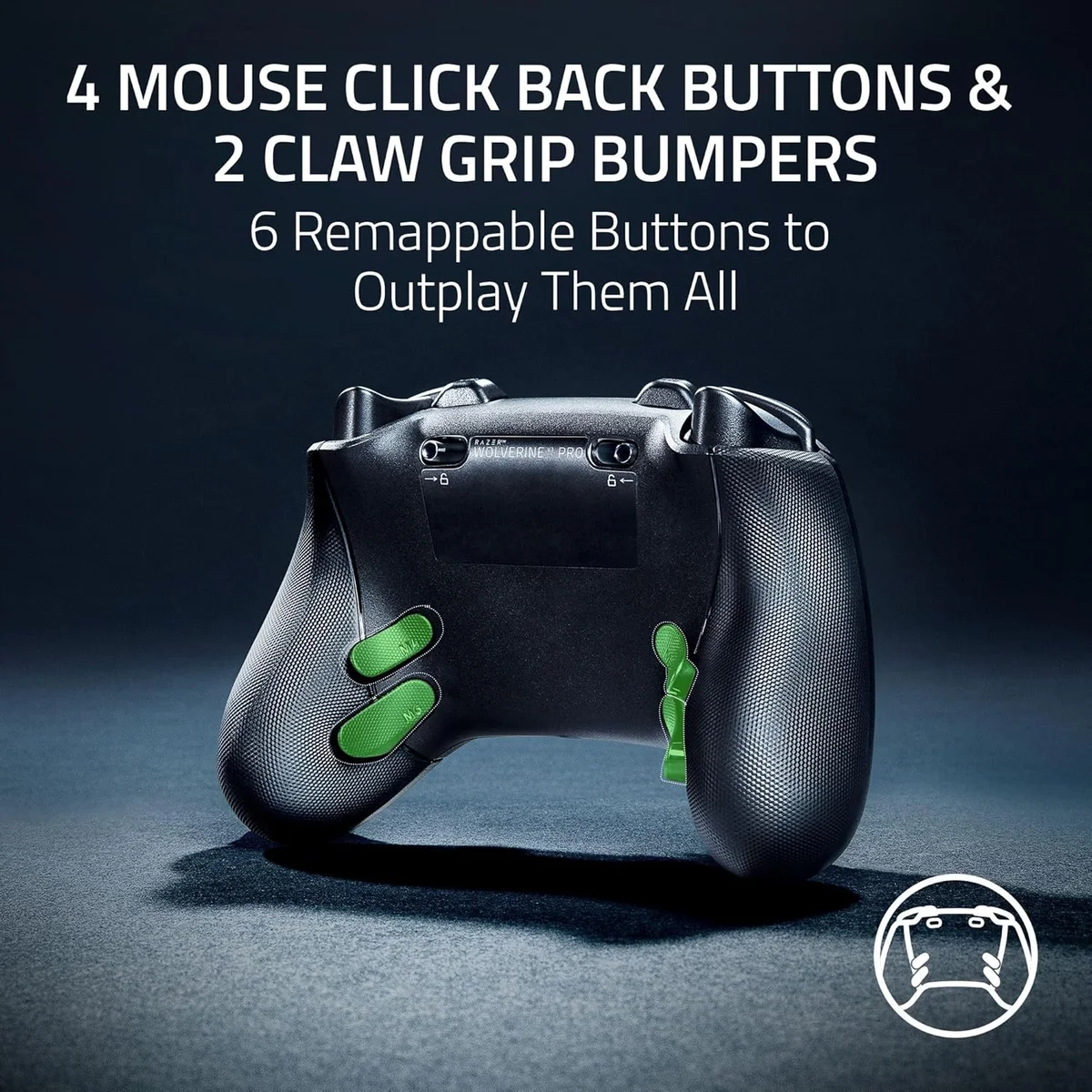
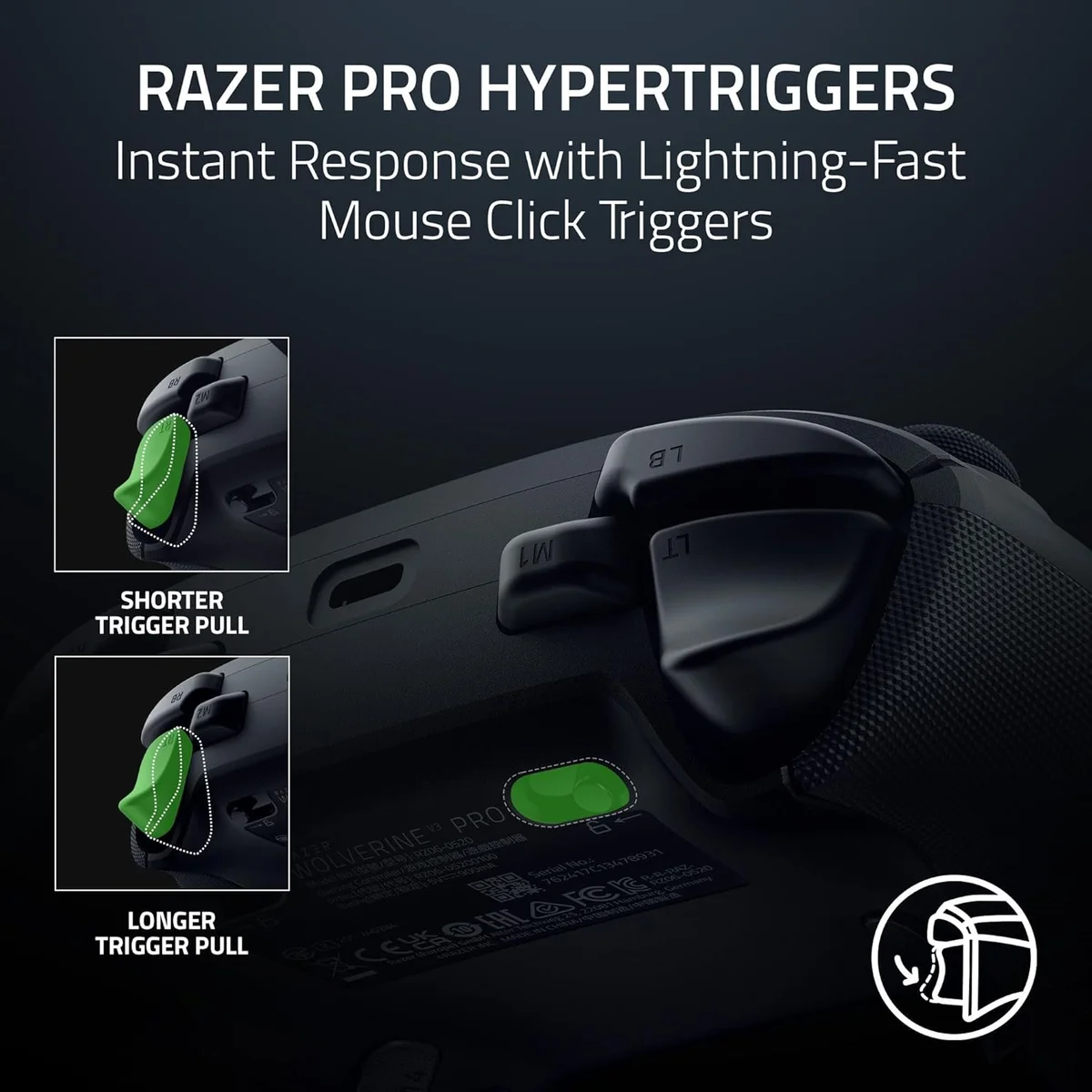
- Mouse-click Mecha Tactile triggers and back paddles give zero-travel actuation for shooters. Kevin Kenson and All Out Gaming both call them best-in-class
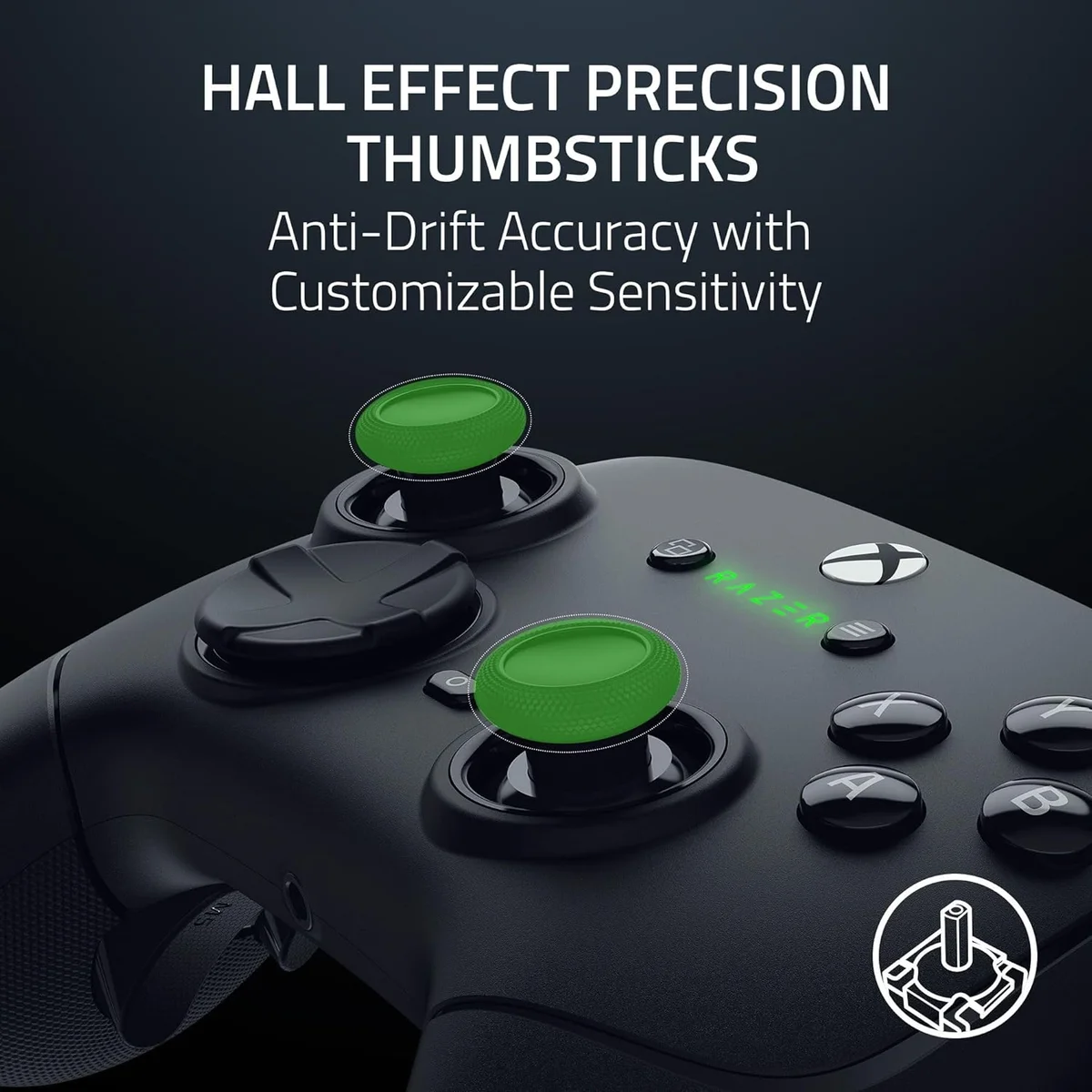
- TMR thumbsticks are drift-proof with lower power draw than Hall Effect. All Out Gaming highlights this as a generational upgrade
- No rumble or haptic feedback at all. Razer removed vibration motors entirely to save weight, which All Out Gaming flags as a dealbreaker for immersion-focused players
- 8-bit stick resolution (256 positions) feels ratchety during micro-corrections compared to FlyDigi's 12-bit (4,096 positions). ArtIsWar measured this directly
- Razer Synapse is bloated background software that installs unnecessary services. ArtIsWar calls it a 'bloaty program'
FlyDigi Vader 5 Pro
- Physical tension adjustment rings under the thumbsticks let you dial in exact stick resistance. Switch and Click calls this their favorite feature on any controller
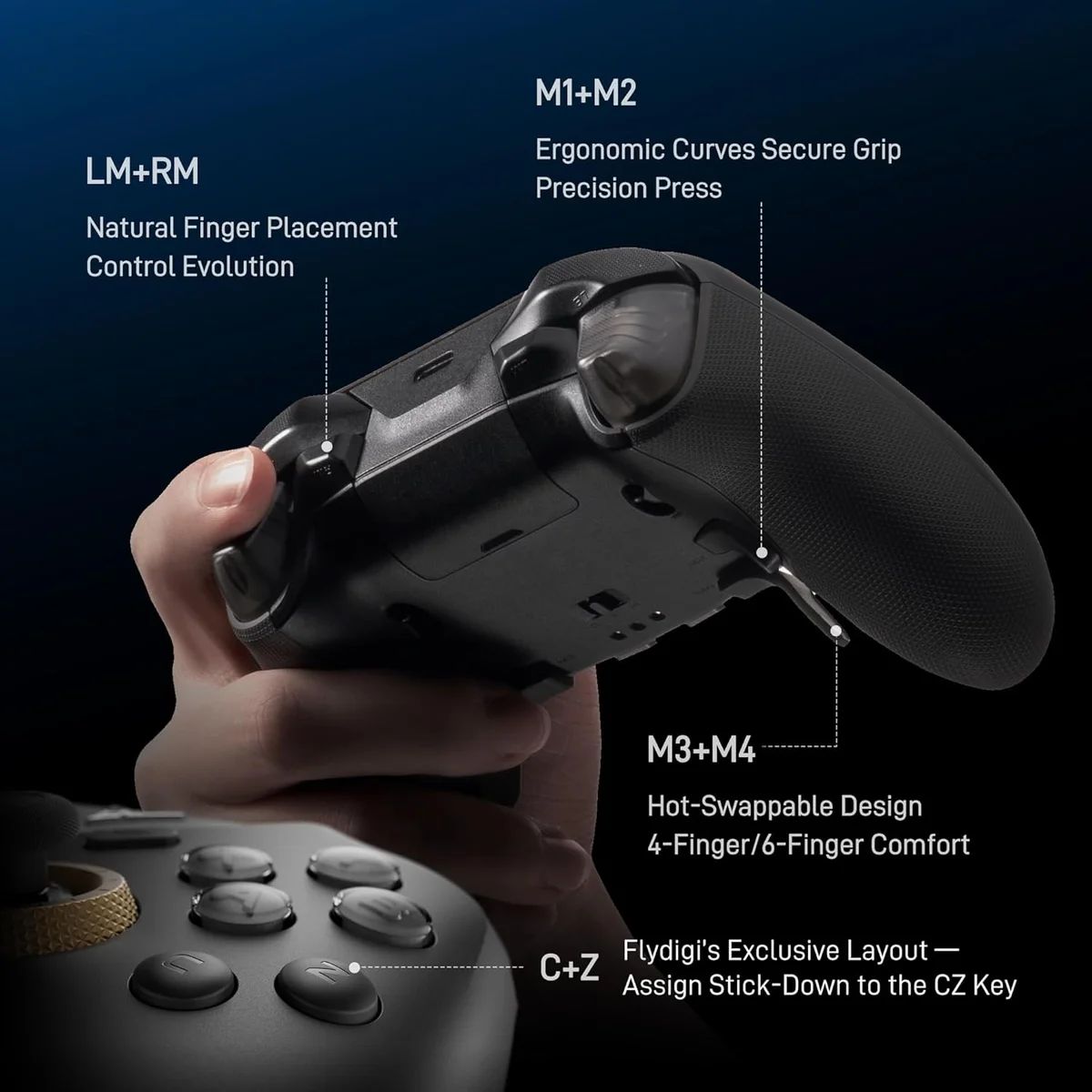
- Eight extra programmable inputs including CZ face buttons, extra bumpers, and 4 rear paddles. Gamer Heaven says it's the most versatile input layout available
- 12-bit Hall Effect sticks (4,096 positions) with virtually zero dead zone out of the box. ArtIsWar measured higher stick resolution than the $200 Razer
- Buying in North America often means AliExpress or paying Amazon markup, and the 'Space Station' config software downloads from an unpolished overseas site. Gamer Heaven flags this as a rough first impression
- The internal seesaw stick construction makes dead-center feel weird and squirrelly during micro-corrections. ArtIsWar strongly dislikes this for precise FPS aiming
- Trigger lock switches sit too low on the back and your fingers accidentally bump them while resting. Switch and Click found this annoying during long sessions
The Verdict
Our Bottom Line
The Razer Wolverine V3 Pro won because no other controller in our roundup could match its combination of raw polling speed and trigger actuation. ArtIsWar measured 2.6 milliseconds of internal stick processing latency at 8,000Hz wired, a number so low that his testing tools struggled to verify it. All Out Gaming highlighted the Mecha Tactile switches across the triggers and back paddles as the most satisfying mouse-click inputs they've used on any gamepad.
Razer Wolverine V3 Pro
The Razer Wolverine V3 Pro won because no other controller in our roundup could match its combination of raw polling speed and trigger actuation. ArtIsWar measured 2.6 milliseconds of internal stick processing latency at 8,000Hz wired, a number so low that his testing tools struggled to verify it. All Out Gaming highlighted the Mecha Tactile switches across the triggers and back paddles as the most satisfying mouse-click inputs they've used on any gamepad.
- Competitive FPS and Battle Royale players who need sub-3ms latency for ranked play
- Xbox and PC gamers who want native platform support from a known brand
- Players who prioritize mouse-click trigger actuation and back paddle feel over stick precision
- Tournament players who value lightweight (304g) and zero-vibration design for extended competitive sessions
- Gamers who want Razer Synapse integration for complex keyboard and mouse binds
FlyDigi Vader 5 Pro
The FlyDigi Vader 5 Pro packs specs that belong on a $180 controller into an $80 package, and the numbers back it up. Gamer Heaven measured a rock-solid 1,000Hz polling rate out of the box (2,000Hz per FlyDigi's updated specs) with approximately 1 millisecond of input lag, effectively indistinguishable from the Razer in real gameplay scenarios.
- Multi-genre gamers who play MMOs, RPGs, and casual shooters and need maximum button count
- Players who want to physically tune thumbstick tension without touching software
- PC gamers who also use Nintendo Switch or Android and need one controller for everything
- Budget-conscious buyers who refuse to pay $200 for features available at $80
- Gamers who value 12-bit stick precision and smooth diagonal tracking over raw polling speed